
Yes, you can add protein powder to your pancake mix. A small scoop blends well with most homemade or store-bought mixes and is a simple way to boost the protein content of your breakfast. Start with 1 to 2 tablespoons per serving, gradually add more liquid if needed, and choose the type of powder that fits the texture and flavors you enjoy.
Key Takeaways
-
You can add protein powder to your pancake mix: Most mixes work well, and a scoop of your favorite protein powder blends smoothly when you adjust the liquid to keep the batter pourable.
-
Start with 1 to 2 tablespoons per serving: This is an easy way to boost the protein content without changing the classic taste or turning your protein pancake mix too thick.
-
Expect some changes in texture and flavor: Some powders make your pancakes denser or drier, so you can also add extra liquid, mashed fruit, egg whites, or yogurt to keep them light and fluffy.
-
Proper mixing improves the final result: Gradually add the powder to the pancake mix, whisk until smooth, rest the batter briefly, and cook on medium heat for evenly cooked pancakes.
The Basics of Adding Protein Powder to Pancake Mix

Adding protein powder to pancake mix is a simple way to make breakfast more balanced. Depending on the protein powder you use, it can blend in smoothly and may not noticeably change the taste. Many people add protein powder to increase the protein content and make the meal feel more satisfying.
A high-protein breakfast may help control blood sugar levels, which can reduce mid-morning hunger for some individuals.
Here are the main benefits of adding protein powder:
-
Boosts protein content: Increasing the protein in your pancakes may help you feel fuller and more satisfied.
-
Supports steady energy: A more balanced meal with added protein may support steadier energy levels compared to a carb-heavy breakfast.
-
Easy to customize: Works with many pancake mixes and protein powder types.
Compatibility With Different Pancake Mixes
You can add protein powder to both homemade and store-bought pancake mixes. Most standard mixes blend well with whey or plant-based protein powder as long as you adjust the liquid to keep the batter smooth.
Pancake mixes that contain buttermilk are often more forgiving because the extra moisture and acidity help maintain a softer batter when additional dry ingredients, such as protein powder, are added.
Since different brands absorb liquid differently, add milk or water gradually until the batter reaches the texture you prefer.
If you're using high-protein mixes like Kodiak Cakes, start with a smaller amount of added protein powder. These mixes already contain added protein, and too much extra powder can make the batter thick or chalky. Begin with a small amount and adjust only if the texture still looks right.
Effects on Taste and Texture

Flavor Considerations
Protein powders can change the flavor of your pancakes, especially if they contain sweeteners or strong added flavors. If you want to keep a classic pancake taste, choose an unflavored protein powder so it blends in naturally.
Dealing With Texture Changes
Protein powder absorbs more liquid than flour, which can make pancakes thicker or drier. To maintain a soft, fluffy texture, you can try these adjustments:
-
Mix in mashed bananas or applesauce for extra moisture.
-
Add Greek yogurt or cottage cheese for a softer result and additional creaminess.
-
Use egg whites if you prefer a lighter batter.
These simple add-ins help offset dryness and improve the overall texture when you add powder to your pancake mix.
How Much Protein Powder to Add
A good starting point is 1 to 2 tablespoons of protein powder per serving of pancake batter. This small amount blends easily into most mixes and increases the protein content without noticeably changing the flavor or texture.
To keep the batter smooth:
-
Add the powder gradually.
-
Stir well to prevent clumps.
-
Add more liquid if the batter becomes too thick. You can use milk, water, or a plant-based milk alternative.
The ideal amount depends on the pancake mix and protein powder you’re using. Some powders absorb more liquid than others, so adjust the liquid until your batter looks smooth and pourable.
Tips for Making Better Protein Pancakes
Mixing Techniques
A smooth batter helps you get soft, evenly cooked pancakes. Try these steps:
-
Add the protein powder gradually while stirring to prevent clumps.
-
Whisk the batter to break up any remaining lumps.
-
Add more milk, water, or plant-based milk if the batter becomes too thick.
-
Let the batter rest for a few minutes so the ingredients hydrate properly.
-
If you're using a blender, mix only until combined to avoid tough pancakes.
Cooking and Flipping Tips
Protein pancakes cook a little differently from regular pancakes, so small adjustments help:
-
Preheat your pan or griddle before pouring the batter.
-
Use medium heat to avoid over-browning the outside while the inside cooks through.
-
Flip the pancake when small bubbles form on the surface.
-
Flip only once to keep the texture soft and tender.
-
Avoid pressing the pancakes with your spatula, since this removes air pockets and makes them dense.
These techniques give you evenly cooked, golden-brown pancakes with a soft, fluffy texture.
Types of Protein Powder for Pancakes

Animal-Based Options (Whey and Casein)
-
Whey protein: Often creates lighter, fluffier pancakes because it mixes smoothly and has a mild flavor that works in many recipes. Its quick-mixing nature makes it a common choice for breakfast dishes.
-
Casein protein: Produces thicker, denser pancakes because it absorbs more liquid. Casein digests more slowly than whey, and many people find that this gives pancakes a heartier feel.
Plant-Based Alternatives
Plant-based protein powders can work just as well in pancake recipes, and each one brings a different taste and texture.
-
Soy protein: Blends smoothly and performs well in baked recipes.
-
Pea protein: Has a neutral taste and smooth texture, making it one of the most versatile plant-based options.
-
Hemp protein: Adds a natural, nutty flavor and may include small amounts of omega-3 fatty acids.
-
Rice protein: Mild in flavor and easy to digest, often preferred by people with food sensitivities.
If you want to keep your pancakes as close to the classic taste as possible, consider using an unflavored protein powder. It increases protein content without noticeably altering flavor. You can learn more about the benefits of unflavored protein powder if you want a flexible and straightforward choice.
Working With Plant-Based Protein in Pancakes
Plant-based proteins such as soy, pea, hemp, and rice work well in pancake recipes and are common choices for people following vegan diets or avoiding dairy. These powders usually absorb more liquid than whey or casein, so you may need to add extra water or milk to keep the batter smooth.
Plant-based protein can also create a denser texture. Adjust the amount of liquid or the cooking time until the pancakes reach the consistency you prefer.
Meal Prep and Storage
Make-Ahead Options
Protein pancakes work well for meal prep. You can prepare the batter in advance and refrigerate it, or cook the pancakes ahead of time and store them for quick breakfasts later.
Proper Storage and Reheating
To store cooked protein pancakes:
-
Let them cool completely.
-
Place them in an airtight container or resealable bag.
-
Refrigerate for up to 5 days or freeze for up to 3 months.
To reheat:
-
Warm them in the microwave, toaster, or oven.
-
If frozen, thaw them in the refrigerator overnight.
-
Ensure they're heated through before eating.
These steps make it easy to enjoy protein pancakes even on busy mornings.
Wrapping Up: Enjoy Your Protein-Packed Pancakes

Adding protein powder to pancake mix is an easy way to make your breakfast more substantial without changing the flavor you already enjoy. Start with a small amount, adjust the liquid as needed, and choose the type of protein powder that fits your preferences.
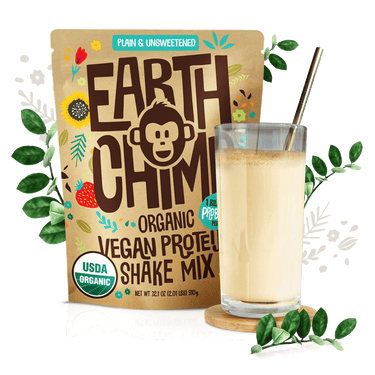
If you prefer a plant-based option, you can try EarthChimp vegan protein powder. It’s organic, vegan, and free from GMOs, artificial flavorings, and added sugar. It also includes probiotics and a blend of pea, pumpkin, sunflower, and coconut proteins that can be used in many recipes, including pancakes.
Feel free to experiment with different mixes, liquids, and add-ins to find the combination that works best for your taste and routine.
FAQs: Adding Protein Powder to Pancakes
Can I Make Protein Pancakes Ahead of Time?
Yes. You can cook protein pancakes in advance and store them for later. Let them cool completely, then place them in an airtight container. Refrigerate for up to 5 days or freeze for up to 3 months.
How Do I Reheat Protein Pancakes?
Reheat refrigerated pancakes in the microwave, toaster, or oven. If frozen, thaw them in the refrigerator overnight before reheating. Warm them until they're heated through.
How Do I Know My Protein Pancakes Are Cooked Properly?
Cook them in a preheated pan over medium heat. Flip when small bubbles appear on the surface, then cook the other side until golden brown. Avoid pressing the pancakes because it removes air pockets and makes them dense.
How Can I Keep My Protein Pancakes Soft and Fluffy?
If your pancakes turn out thick or dry, add a little more liquid to the batter or mix in mashed bananas, applesauce, Greek yogurt, or cottage cheese. Letting the batter rest for 5 to 10 minutes also improves texture.
What Are Good Toppings for Protein Pancakes?
Fresh fruit, chopped nuts, nut butter, Greek yogurt, and maple syrup all work well on protein pancakes. Choose toppings that match your preferred flavor and texture.
References:
Disclaimer:
This statement has not been evaluated by the Food and Drug Administration. This product is not intended to diagnose, treat, cure, or prevent any disease.