
Yes, you can mix collagen with plant-based protein powder. The combination works because collagen provides structural amino acids for connective tissues, while plant-based protein supplies essential amino acids to meet daily protein requirements. Used together, they complement each other without replacing whole foods or complete meals, making them suitable for dairy-free or plant-forward routines.
Key Takeaways
-
Collagen and plant-based protein serve different nutritional roles: Collagen supplies structural amino acids used in connective tissues, while plant-based protein provides essential amino acids required to meet daily protein needs, which is why they work better together than alone.
-
Collagen supports structure but is not a complete protein: Collagen peptides contribute amino acids involved in skin, joint, and bone structure, but they do not contain all essential amino acids and should be paired with another protein source.
-
Plant-based protein powders help meet daily protein requirements: Proteins from peas, rice, hemp, and soy deliver essential amino acids that support muscle maintenance and recovery, making them suitable for post-workout or meal supplementation.
-
Blended plant proteins improve amino acid coverage: Combining different plant proteins, such as rice and pea, creates a more balanced amino acid profile, which pairs well with collagen’s structural amino acids without overlap.
-
Mixing collagen and plant-based protein is simple and flexible: Both powders dissolve easily and can be added to smoothies, coffee, or foods, allowing you to adjust ratios based on activity level, dietary preferences, and routine needs.
How Collagen and Plant-Based Protein Complement Each Other

Mixing collagen powder with plant-based protein powder works because each one covers a different nutritional role.
People often combine the two to balance daily protein intake without relying on dairy. This approach fits well into fitness routines, plant-forward diets, or simple nutrition habits where convenience matters.
Here’s what each contributes when used together:
-
Complementary amino acid coverage: Collagen contains glycine, proline, and hydroxyproline, which are not abundant in most plant proteins. Plant-based protein powders supply essential amino acids that collagen lacks.
-
Muscle support and recovery: Plant-based protein delivers the amino acids your muscles need after exercise, while collagen supports the connective tissues involved in movement.
-
Joint and connective tissue support: Collagen provides building blocks used in tendons, ligaments, and cartilage, which is why it’s commonly included in joint-focused routines.
-
Skin, hair, and nail structure: Collagen contributes structural amino acids used in skin and hair formation, while adequate protein intake supports overall tissue maintenance.
This combination doesn’t replace whole foods or complete meals. It simply helps fill specific nutritional gaps in a practical way.
Practical Ways to Use Collagen and Plant-Based Protein Together
Collagen and plant-based protein powders are easy to use together because both dissolve well in liquids and don’t require special preparation. You can combine them without changing taste or texture significantly.
Common ways people use this mix include:
-
Adding both powders to smoothies or shakes
-
Stirring them into coffee or plant-based milk
-
Mixing them into pancake or waffle batter for added protein
You can also adjust ratios based on your routine. On lower-activity days, some people use more collagen for connective tissue support. On training days, increasing plant-based protein helps meet higher protein needs for muscle recovery.
How to Pick the Right Plant-Based Protein Powder for You

Choosing a plant-based protein powder comes down to digestion, amino acid profile, and how it fits your routine, especially when paired with collagen.
Here are common options and how they differ:
-
Pea Protein: Made from yellow split peas, this protein is easy to digest and rich in essential amino acids, though it’s lower in methionine. It pairs well with collagen for muscle-focused routines.
-
Hemp Protein: Derived from hemp seeds and naturally low in THC, hemp protein is valued for its mineral content and its well-balanced omega-3 and omega-6 fatty acids. While it’s not a complete protein, it works well as part of a blended protein approach.
-
Rice Protein: Rice protein is gentle on digestion and affordable. It doesn’t contain all essential amino acids on its own, but provides branched-chain amino acids commonly used in fitness-focused diets.
-
Soy Protein: Soy is a complete plant protein containing all essential amino acids. Some people choose non-GMO or organic versions, while others avoid them due to allergies or sensitivities.
If digestion is your main concern, rice or pea protein tends to be easier on the stomach. If amino acid completeness matters most, blended plant proteins or soy protein may be more suitable when combined with collagen.
What Collagen Protein Does in the Body
Collagen is the most abundant protein in the human body and a key structural component of connective tissues such as skin, tendons, ligaments, cartilage, bones, and muscles. Although the body produces collagen naturally, production declines with age, affecting tissue strength and elasticity.
Research shows that women may lose up to 30% of their collagen during the first years of menopause, which helps explain changes in skin elasticity, joint comfort, and connective tissue resilience. This natural decline is one reason collagen supplements are often included in aging and fitness-focused nutrition routines.
Collagen supplements come in powders, capsules, and liquids and are commonly added to foods or beverages to increase intake of collagen-specific amino acids without replacing complete protein sources.
Plant-Based Protein Powders for Nutrition and Sustainability
Plant-based protein powders provide concentrated protein from sources such as peas, rice, hemp, and soy. They’re commonly used by people who avoid dairy, follow vegan or vegetarian diets, or prefer plant-based nutrition for digestive or environmental reasons.
Unlike collagen, plant-based protein powders are designed to help meet daily protein needs. They contain essential amino acids required for muscle maintenance and recovery, which makes them suitable for post-workout shakes or meal supplementation.
Key reasons people choose plant-based protein powders include:
-
Muscle support and recovery: They supply essential amino acids used in muscle repair after exercise.
-
Weight management support: Protein contributes to satiety when included as part of balanced meals.
-
Dairy-free nutrition: Plant proteins work well for people with lactose intolerance or dairy sensitivities.
-
Lower environmental impact: Producing plant protein generally requires fewer resources than animal-based protein production.
Why Plant Protein Blends Provide a More Complete Amino Acid Profile
Not all plant proteins contain a full essential amino acid profile on their own. To address this, many products blend different plant proteins to create a more balanced amino acid composition.
A common example is combining rice protein, which is lower in lysine, with pea protein, which provides higher lysine levels but less methionine. Together, these proteins complement each other and help deliver a broader range of essential amino acids.
This blending approach makes plant-based protein powders more nutritionally complete and explains why they pair well with collagen, which contributes structural amino acids without overlapping their essential amino acid role.
Wrapping It Up: Mixing Collagen with Plant-Based Protein

Mixing collagen with plant-based protein works because each supplement plays a different role. Collagen contributes structural amino acids used in connective tissues, while plant-based protein supplies essential amino acids needed to meet daily protein requirements. When combined, they support a more balanced protein intake without relying on dairy or animal-based protein sources.
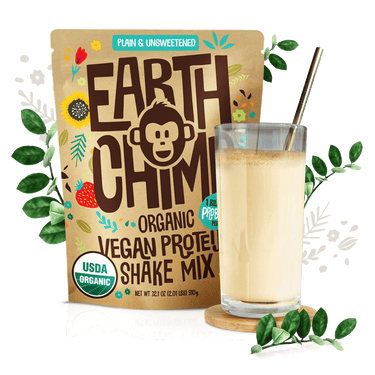
If you’re choosing a plant-based option, EarthChimp vegan protein powder fits well into this approach. It blends multiple plant protein sources and avoids common allergens, making it suitable for people following vegan, dairy-free, or digestion-conscious diets. Pairing a complete plant protein with collagen allows you to cover both essential and structural amino acid needs in a simple, flexible way.
Adding collagen and plant-based protein to your routine doesn’t require major changes. Whether you use them in smoothies, coffee, or meals, the combination offers a practical option for people who want to support training, recovery, or everyday nutrition using ingredients that align with their lifestyle.
FAQs About Collagen and Plant-based Protein Powder
What Makes Collagen Peptides Different From Regular Collagen?
Collagen peptides are a processed form of collagen that has been broken down into smaller amino acid chains. This makes them easier to mix into drinks or foods when you take collagen as part of a supplement routine. They dissolve well in both hot and cold liquids, which is why they’re commonly used in powders.
Why Is Collagen Not Considered a Complete Protein?
Collagen is not a complete protein because it does not contain all nine essential amino acids needed to fully support protein synthesis in our bodies. Instead, collagen provides structural amino acids, which is why it’s often paired with another protein source rather than used alone.
Why Do People Combine Collagen With Other Protein Powders?
Many people combine collagen with another protein to balance their amino acid intake. While collagen supplies structural amino acids, a complete protein powder helps meet essential amino acid needs. This approach is common when using two supplements together in a flexible nutrition plan.
Can Collagen Peptides Be Added to a Protein Shake?
Yes. Collagen peptides dissolve easily and can be added to a protein shake without changing the texture significantly. This makes them easy to include alongside other protein powders as part of a consistent daily routine, especially for people who prefer mixing supplements into drinks.