
Protein and movement often support each other in simple, everyday ways during the post-menopausal years. Many people notice that balanced meals with protein help them feel more ready for regular activity, and steady movement encourages consistent eating habits. Together, they create a practical rhythm that fits naturally into general wellness routines.
Key Takeaways
-
Protein and movement often support each other: Balanced meals with protein can complement regular activity, and steady movement can encourage consistent eating habits during the post-menopausal years.
-
Wellness during post-menopause focuses on routines that feel sustainable: Many people choose movement and nutrition habits that prioritize comfort, mobility, and everyday strength rather than intensity or performance.
-
Protein is one part of a broader approach to staying active: It works alongside rest, hydration, overall diet quality, and training style, contributing to general wellness without promising specific health outcomes.
-
Plant-based protein options fit easily into daily patterns: Blends, smoothies, simple shake recipes, and familiar whole foods give people flexible ways to include protein without overcomplicating their meals.
-
Small nutrition habits can make meals feel more complete: Adding protein powder to smoothies, oatmeal, or baked treats can help support balanced eating that fits naturally into different routines and preferences.
How Protein and Movement Work Together in Post-Menopausal Fitness
Protein and movement often complement each other in simple, everyday ways during the post-menopausal years. Many people notice that meals with protein fit naturally alongside regular activity, creating routines that feel steady and manageable.
Examples of movement choices include:
-
bodyweight exercises, resistance bands, or light weights
-
swimming, cycling, rowing, or low-impact cardio
-
stretching, Pilates, balance training, or gentle mobility work
People often report feeling more grounded in their routines when they combine balanced meals that include protein with consistent movement. This pairing is not about achieving specific outcomes. It is a practical, easy-to-follow approach that many find supportive when building habits that last.
Understanding Post-Menopausal Fitness in General Terms
 Fitness during the post-menopausal years often becomes more about what feels supportive, enjoyable, and sustainable for you. Many people shift toward activities that help them stay mobile, maintain everyday strength, and feel steady throughout the day.
Common observations include:
-
choosing a movement that feels good for the body
-
focusing on consistency over intensity
-
integrating activities that support balance, flexibility, and overall vitality
Walking, yoga, gentle strength training, Pilates, and low-impact cardio are frequently mentioned because they allow you to stay active while respecting comfort and recovery needs. The goal is not performance. It is building routines that feel rewarding and fit naturally into your life.
The Role of Protein in an Active Lifestyle
Protein plays a natural, well-understood role in everyday nutrition. Your body uses amino acids for:
-
maintaining and building tissues
-
supporting normal muscle repair after activity
-
contributing to general metabolic functions
-
helping meals feel more balanced and satisfying
These roles apply to people of all ages. If you stay active during the post-menopausal years, protein often becomes one of several nutrients you pay attention to, such as fruits, vegetables, healthy fats, hydration, and overall diet quality.
Protein is simply part of balanced eating rather than a targeted solution. Many active individuals include it because they notice it supports their regular movement habits, strength routines, or day-to-day energy. What matters most is finding an amount and routine that feels right for you.
How Protein Intake Often Changes as People Adjust Their Fitness Goals

As you refine your fitness routine, your approach to food may shift as well. These changes are usually behavioral and based on what feels right for your goals and daily patterns.
For example:
-
You might become more mindful of protein when you want to maintain or build strength.
-
You may notice that you rely on protein-rich meals more often when you increase resistance training or add new activities.
-
You may find that including a mix of protein sources helps you feel more prepared for an active day.
These adjustments are common at all ages. They reflect a natural desire to match eating habits with whatever goals you are working toward, whether that is staying steady with daily walks, incorporating strength sessions, or keeping meals balanced and satisfying.
Common Protein Sources People Use in Post-Menopausal Fitness Routines
People use a wide range of protein sources depending on their tastes, dietary patterns, and how much time they want to spend preparing meals. Some common options include:
-
Beans, lentils, and chickpeas, which work well in soups, salads, and grain bowls
-
Tofu, tempeh, and other soy foods are valued for their versatility and ability to take on different flavors
-
Nuts, seeds, and nut butters are often added to snacks or blended into smoothies
-
Whole grains such as quinoa, farro, or barley, which naturally contain plant protein
-
Protein powders, chosen by some for quicker preparation or as an easy way to boost protein in meals they already enjoy
These sources make it simple to build satisfying meals without relying on any single ingredient. The focus is on convenience, variety, and choosing foods that fit your routine.
Plant-Based Protein Options for Everyday Wellness
 Plant-based protein has become a popular choice for people who want something flexible, easy to use, and aligned with their dietary preferences. You can choose from whole foods such as beans, nuts, and seeds, or convenient options such as vegan protein blends.
Smoothies and shakes fit naturally into busy days. You can prepare them quickly, customize them with fruits or greens, and enjoy them as part of a balanced meal pattern. Many people appreciate plant-based protein blends because the flavor and texture mix well with familiar ingredients such as bananas, oats, or nondairy milk.
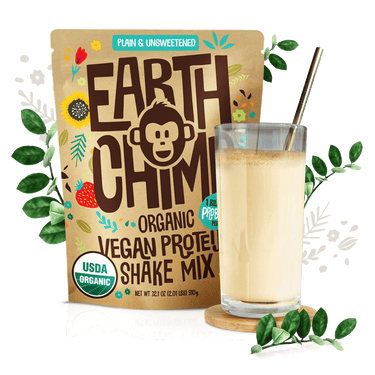
EarthChimp, for example, is a plant-based protein blend that people often use in smoothies, oatmeal, and simple shake recipes because of its flavor and versatility. There are many simple vegan recipe ideas you can explore, such as quick shakes, blended breakfasts, and easy baked treats.
How to Incorporate More Protein Into Meals, Without Overcomplicating It
Adding protein to meals does not need to feel like extra work. Small habits can help your meals feel more complete throughout the day.
Here are a few approachable ideas:
-
Add a scoop of vegan protein powder to breakfast smoothies
-
Stir protein powder into oatmeal for added flavor and variety
-
Try simple shake recipes using fruits, nondairy milk, and a plant-based protein blend
-
Mix protein powder into yogurt bowls alongside fruits or nuts
-
Combine protein-rich foods with fruits or vegetables to create balanced meals
-
Bake your favorite protein goodies, such as muffins or cookies, with vegan protein powder
These adjustments fit naturally into many routines. You can try one or two and see what feels right for your schedule.
Listening to Your Body and Adjusting Naturally
Your relationship with food and movement evolves over time. Paying attention to how your body responds to different meals, which routines feel good, and what types of food support your energy can help you stay active in a way that feels authentic to you.
Nutritional needs vary from person to person. What feels right for someone else may not feel the same for you. If you want help tailoring your protein intake or you prefer personalized guidance, a registered dietitian or healthcare professional can offer support that fits your needs and preferences.
When to Seek Professional Guidance
It can be helpful to reach out for personalized support in situations such as:
-
wanting tailored advice about your fitness or nutrition routine
-
planning to start new workouts or adjust your training style
-
noticing changes in appetite, weight, or energy levels and wanting clarity
A registered dietitian or healthcare professional can help you understand your options and guide you through new or changing routines.
Wrapping Up: Putting It All Into a Simple, Sustainable Practice
 As routines evolve during the post-menopausal years, many people focus on what feels supportive and realistic. This includes pairing movement with balanced meals, exploring different protein sources, and noticing which habits feel nourishing day to day.
Plant-based blends like EarthChimp can be an easy option to include along the way. With small adjustments and consistent, comfortable activity, you can craft a wellness rhythm that feels natural and sustainable.
FAQs About Protein and Post-Menopausal Fitness
How Do Protein and Movement Fit Together in a Post-Menopausal Routine?
Many people find that meals with protein pair naturally with regular activity because both support steady daily habits. This combination can make routines feel more balanced and manageable.
What Types of Plant-Based Protein Work Well for Everyday Meals?
Common choices include beans, lentils, nuts, seeds, tofu, tempeh, and plant-based protein powders. These options are easy to mix into smoothies, oatmeal, baked treats, or savory meals.
How Can I Add More Protein to My Meals Without Changing Everything I Eat?
Simple steps such as adding protein powder to smoothies, stirring it into oatmeal, or incorporating nuts, seeds, or tofu into familiar dishes can help increase protein without overhauling your routine.
How Do I Know Which Protein Sources Fit Best Into My Lifestyle?
It often comes down to taste, convenience, and what feels comfortable for your daily habits. Trying different sources can help you discover what fits naturally into your meals and activity patterns.
References:
-
https://med.stanford.edu/news/all-news/2013/04/change-diet-exercise-habits-at-same-time-for-best-results-study-says.html
Disclaimer:
This statement has not been evaluated by the Food and Drug Administration. This product is not intended to diagnose, treat, cure, or prevent any disease.