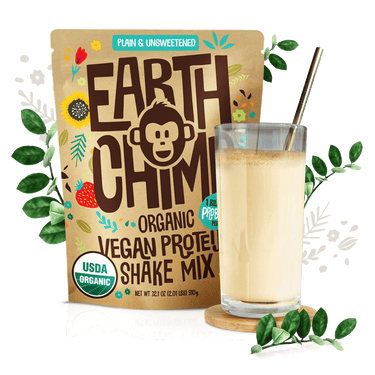

To add fat to a protein shake, blend in small portions of healthy fat sources such as nut butter, avocado, seeds, or oils. Start with one tablespoon of whole-food fats or one teaspoon of oils, blend thoroughly, and adjust liquid as needed to keep the shake smooth, balanced, and easy to digest.
Key Takeaways
-
Adding fat helps protein shakes feel more filling and balanced: Healthy fats slow digestion and improve satiety, making shakes more suitable as meals or sustained snacks.
-
Whole-food plant fats are a great addition to plant-based protein shakes: Nut butters, avocado, and tiny seeds from plant foods are nutrient-packed options that blend well with plant-based protein and can make enjoying your shake easier without overpowering flavor.
-
Adding a little fat can improve the texture of your shake: Starting with small amounts may help improve the texture of your shake while keeping it easily digestible and comfortable to consume.
-
High-fiber fat sources may support digestive comfort and steady energy: Seeds are a high-fiber option and a source of omega-3 fatty acids, which can help fuel your body more evenly when included as part of a varied diet, while supporting digestive health.
-
Fat choices often work best when matched to your protein option and base liquid: Whole-food fats pair well with plant-based milks and protein powder, making them a versatile protein option for different shake styles.
How to Add Fat to a Protein Shake Without Ruining Texture or Flavor

Adding fat doesn’t mean dumping random ingredients into a blender. The goal is to improve consistency and satisfaction without overpowering the shake.
1. Blend Fats So They Mix Evenly
Some fat sources need a little extra attention to blend well. Nut butters and avocado mix best when blended with a small amount of liquid first, then combined with the remaining ingredients. This prevents clumping and uneven texture.
Liquid fats like MCT oil or coconut oil blend more smoothly when added at the end of blending. This reduces separation and keeps the shake consistent from first sip to last.
Seeds such as chia or flax blend best when ground or soaked. Soaking chia seeds for 10–15 minutes creates a gel-like texture that blends cleanly and avoids grit.
2. Keep Fat Amounts Balanced
A small amount of fat goes a long way. Start with about one tablespoon of nut butter, seeds, or coconut milk, or one teaspoon of oil. You can always add more, but too much fat can make a shake feel heavy or greasy.
If the shake becomes too thick, add more liquid like almond milk or water. If it turns out thinner than expected, ice cubes or frozen fruit help restore body without changing the flavor balance.
3. Match Fats With Protein Powder Flavors
Fat sources work best when they complement the protein powder you’re using.
-
Chocolate protein powder + almond butter creates a rich, dessert-like shake without added sweeteners
-
Vanilla protein powder + flaxseed oil keeps the flavor mild while adding omega-3 fats
-
Unflavored protein powder + coconut oil works well with coconut water for a light, neutral base
Choosing fats that match the flavor profile makes the shake easier to enjoy consistently, which matters more than perfection.
Best Sources of Healthy Fats for Protein Shakes

Not all fats work the same way in a protein shake. The options below add calories, texture, and nutrients without turning your shake heavy or unbalanced. Each source includes why it works, how much fat it adds, and how to use it effectively.
1. Nut Butters
Nut butters are one of the easiest ways to add fat to a protein shake. Almond butter, peanut butter, and cashew butter blend smoothly, add creaminess, and contribute small amounts of protein alongside healthy fats.
Fat content
-
Almond butter: ~9 g fat per tablespoon
-
Peanut butter: ~8 g fat per tablespoon
-
Cashew butter: ~8 g fat per tablespoon
Practical tip: Choose natural, unsweetened nut butters to avoid added sugars and oils. Rotating between different nut butters keeps flavors from getting repetitive.
2. Seeds
Seeds add fat, fiber, and micronutrients without dramatically changing flavor. Chia seeds, flaxseeds, and hemp seeds work especially well in blended shakes.
Fat content
-
Chia seeds: ~3 g fat per 1 tablespoon
-
Flaxseeds (ground): ~3 g fat per 1 tablespoon
-
Hemp seeds: ~4 g fat per 1 tablespoon
Practical tip: Grind flaxseeds or soak chia seeds before blending. This improves texture and makes the nutrients easier to use.
3. Avocado
Avocado adds a smooth, creamy texture and mild flavor, making it easy to include in both chocolate and vanilla-based shakes.
Fat content
-
~3.2 g fat per 2 tablespoons
Practical tip: Using about 30 g (roughly 2 tablespoons) adds creaminess without overpowering the shake. A small squeeze of citrus can help balance the flavor.
4. Oils (MCT, Coconut, and Olive Oil)
Oils are concentrated fat sources that add calories without increasing volume. They’re useful when you want to increase energy intake without thickening the shake too much.
Fat content
-
Coconut oil: ~4.5 g fat per teaspoon
-
MCT oil: ~5 g fat per teaspoon
-
Olive oil: ~4.5 g fat per teaspoon
Practical tip: Start with one teaspoon. MCT oil is perfect for quick energy, which is why it’s often used in morning or pre-workout shakes.
5. Full-Fat Coconut Milk
Full-fat coconut milk adds richness and works well in tropical or dessert-style shakes.
Fat content
-
~57 g fat per 1 cup (240 g, canned)
Practical tip: Use smaller amounts if you want creaminess without making the shake too calorie-dense. It pairs well with vanilla or unflavored protein powder.
6. Dark Chocolate or Cocoa Powder
Cocoa-based ingredients add flavor first, with a small amount of fat as a secondary benefit.
Fat content
-
Cocoa powder: ~3.1 g fat per tablespoon
Practical tip: Use unsweetened cocoa powder or dark chocolate (70% cacao or higher) to keep added sugar low.
Why Adding Fat to Protein Shakes Improves Fullness, Nutrition, and Taste

Adding fat to a protein shake does more than improve taste. It changes how filling the shake feels, how long it keeps you energized, and how well your body uses certain nutrients.
Healthy Fats Support Energy and Fullness
Healthy fats digest more slowly than carbohydrates, which helps your shake keep you full longer. This matters if you use protein shakes as a meal replacement or need something that holds you over between meals.
A protein shake made only with water and powder often digests quickly. Adding a small amount of fat, such as nut butter or coconut cream, helps slow digestion and provides steadier energy without relying on sugar.
Fats Help With Nutrient Absorption and Overall Balance
Protein is essential, but it works best alongside fats and carbohydrates. Including fat turns a protein shake into a more balanced option, especially when using plant-based or vegan protein powders.
Some nutrients require fat for proper absorption. For example, vitamins, like A, D, E, and K, need fat to be absorbed, which means adding healthy fats helps your body make better use of what’s already in your shake.
Healthy Fats Improve Texture and Flavor
Fat plays a major role in how food feels and tastes. Without it, protein shakes can come across as chalky, watery, or bland.
Ingredients like nut butters, avocado, or coconut cream create a smoother texture and round out flavors. If you’re already experimenting with ways to make protein powder taste better, adding fat is one of the most effective and natural upgrades.
Common Mistakes When Adding Fats
Adding fat improves protein shakes, but a few common mistakes can undo the benefits.
-
Adding Too Much Fat
Fat is calorie-dense, so portions matter. Adding several fat sources at once can make a shake overly heavy and difficult to digest. Use the fat amounts above as a reference and build gradually.
-
Choosing Unhealthy Fat Sources
Processed toppings and sweetened creamers add calories without meaningful nutrition. Whole-food fat sources like nuts, seeds, and avocado provide better texture and nutritional value.
-
Overlooking Calories
Healthy fats still add significant calories. If your goal includes weight loss or managing overall intake, measuring fat portions helps keep shakes aligned with your daily needs.
2 Recipe Ideas for Fat-Enriched Protein Shakes

1. Almond Banana Peanut Butter Shake
A creamy, lightly sweet shake that combines banana, almond milk, and nut butter for a smooth texture and rich flavor.
Ingredients
-
1 cup ice
-
2 cups almond milk
-
1 scoop chocolate protein powder
-
Pinch of cinnamon
-
½ banana
-
Large spoonful of almond butter
-
Sugar-free syrup (for garnish)
-
Banana slices and cinnamon (for garnish)
2. Choco Peanut Butter Oatmeal Latte Shake
A rich, coffee-inspired shake that blends chocolate, peanut butter, oats, and espresso for a bold, dessert-style flavor.
Ingredients
-
1–2 scoops of chocolate protein powder
-
1 cup oat milk
-
3 pitted dates
-
1 banana
-
¼ cup old-fashioned oats
-
1 tablespoon peanut butter
-
1 tablespoon chia seeds
-
Pinch of sea salt
-
2 shots of espresso
-
1 teaspoon vanilla extract
-
Cacao nibs (for topping)
Choosing the Right Vegan Protein Powder for Fat-Enriched Shakes
The protein powder you choose affects how well added fats blend and how balanced the shake tastes. When selecting a vegan protein powder for fat-enriched shakes, look for the following:
-
Simple, clean ingredients: Choose powders with minimal ingredients and no unnecessary fillers to avoid off-flavors or texture issues.
-
No artificial sweeteners or additives: Artificial flavors and sweeteners can clash with fats and make shakes taste overly sweet or artificial.
-
A complete amino acid profile: A blend of plant proteins helps ensure balanced protein intake without relying on a single source.
-
Neutral or lightly flavored options: Mild flavors pair more easily with nut butters, oils, avocado, and coconut-based fats.
Wrapping Up: Adding Fat to Protein Shakes the Right Way

Adding fat to a protein shake can make it more filling and smoother. Using whole-food fat sources in small, measured amounts helps improve texture and enjoyment without making the shake too heavy. Ingredients like nut butters, seeds, avocado, coconut-based options, and small amounts of oil can be adjusted based on how creamy or light you want the shake to be.
The protein powder you start with also matters. A clean, neutral-flavored option makes it easier to combine fats without clashing flavors or unwanted sweetness. This is where EarthChimp organic vegan protein fits naturally into fat-enriched shakes, as its simple ingredients and mild taste pair well with a wide range of healthy fats.
When you keep portions balanced and adjust liquid or ice as needed, adding fat turns a basic protein shake into a more complete, enjoyable option you can use consistently as a meal replacement, post-workout drink, or everyday snack.
FAQs: Incorporating Healthy Fats into Protein Shakes
What Are the Best Fats to Add to a Protein Shake?
Whole-food fats work best in protein shakes because they blend smoothly and add nutrition without overpowering flavor. Common options include nut butters, seeds, avocado, full-fat coconut milk, and small amounts of oils like coconut or MCT oil. Each can be adjusted based on taste and calorie needs.
How Much Fat Should I Add to a Protein Shake?
Start with small portions to keep the shake balanced. A good starting point is one tablespoon of nut butter, seeds, or coconut-based ingredients, or one teaspoon of oil. You can increase slightly if the shake feels too light, but adding too much fat at once can make it heavy or difficult to digest.
Can Adding Fat to a Protein Shake Support Weight Loss or Muscle Gain?
Adding fat can help protein shakes feel more filling and steady, which may support different goals depending on overall diet and portions. For weight management, measuring fat sources helps control calories. For muscle-focused routines, fats can add energy without increasing volume, but they work best alongside adequate protein and total calorie intake.
How Do I Prevent My Protein Shake From Tasting Greasy?
Greasy texture usually comes from using too much fat or not blending properly. Measure fats carefully, blend solid fats with liquid first, and adjust consistency with water, plant milk, ice, or frozen fruit. Using whole-food fats instead of large amounts of oil also helps maintain a smoother texture.
References:
-
https://www.healthline.com/nutrition/fat-soluble-vitamins
-
https://www.webmd.com/diet/mct-oil-health-benefits-common-uses
Disclaimer:
This statement has not been evaluated by the Food and Drug Administration. This product is not intended to diagnose, treat, cure, or prevent any disease.