
To use protein powder for weight loss, add it to your diet in measured portions to help manage protein intake without increasing calories. Use it in shakes, simple recipes, or planned snacks, and keep usage consistent. Protein powder works best as a supplement to regular meals, not a replacement for whole foods.
Key Takeaways
-
Protein powder works best as a supplement, not a substitute: Protein powder is most effective when it supports regular meals and snacks rather than replacing most whole foods. Using it this way helps keep meals balanced and calorie intake predictable.
-
Portion control matters more than protein variety: Measured servings and consistent portions help prevent protein powder from becoming an extra calorie source. Simple, repeatable portions make weight management easier over time.
-
Shakes and smoothies are the most practical starting point: Protein shakes are quick to prepare, easy to portion, and simple to adjust. Choosing low-calorie liquid bases keeps shakes aligned with weight-loss goals.
-
Protein powder can fit into meals beyond drinks: Adding protein powder to oatmeal, pancakes, or savory foods increases protein intake without changing how you eat. Keeping recipes simple helps avoid turning meals into calorie-dense options.
-
Timing supports structure, not results on its own: Using protein powder at planned times, such as breakfast or as a structured snack, helps with consistency. Timing supports routine and calorie control rather than causing weight loss by itself.
-
The best protein powder is one you tolerate and use consistently: Choosing a protein powder that fits your diet, digestion comfort, and daily routine makes long-term use more sustainable. Consistency matters more than trends or marketing claims.
Practical Ways to Use Protein Powder for Weight Loss

1. Using Protein Powder as Shakes and Smoothies
Protein shakes and smoothies are one of the most practical ways to use protein powder if your goal is to lose weight. They’re quick to prepare, easy to portion, and simple to adjust based on your calorie needs, which makes them a reliable way to help with weight loss without complicating meals.
Start with a low-calorie liquid base.
The liquid you choose affects both calories and texture, so this decision matters when weight loss is the goal.
-
Water keeps shakes low in calories and works well if you want a lighter option
-
Unsweetened almond, soy, or oat milk adds creaminess with moderate calories
-
Low-fat dairy milk increases protein and calories, which may be useful if the shake replaces a meal
Build the shake around protein first.
A weight-loss-friendly shake doesn’t need many ingredients. The goal is to boost your protein intake without turning the drink into a high-calorie option.
A simple structure looks like this:
-
Protein powder
-
Liquid base
-
Optional ice for volume and texture
Keeping this structure makes it easier to drink protein shakes consistently while controlling calories
Keep smoothies controlled and intentional.
Smoothies can be helpful, but they’re easier to over-consume than shakes. If you use a blender, focus on consistent portions and avoid excessive add-ins that raise calories quickly. Used this way, shakes remain a predictable way to boost your protein without overshooting your intake.
2. Adding Protein Powder to Meals and Recipes
Protein powder isn’t limited to drinks. It can also be mixed into everyday meals to increase protein in your diet without changing how you eat or adding extra preparation steps.
When weight loss is the goal, the key is to use protein powder in simple, portion-controlled recipes rather than turning meals into calorie-dense dishes.
Common non-shake ways to use protein powder include:
-
Oatmeal or hot cereals: Stir protein powder into cooked oats or porridge to increase protein without adding extra fats or sugars.
-
Pancakes or waffles: Mix protein powder into batter to raise protein content while keeping portions consistent.
-
Homemade protein snacks: Combine protein powder with oats or nut butter in small amounts to create portioned snacks rather than large bars or balls.
-
Savory foods: Blend unflavored protein powder into foods like Greek yogurt, cottage cheese, or hummus to create spreads that are high in protein.
-
Baked recipes: Protein powder can be added to muffins or breads, but it’s best used sparingly since baked goods are easy to overeat.
When using protein powder in meals, portion size matters more than variety. Keeping recipes simple and repeatable helps control calories while still increasing protein intake. Used this way, protein powder supports weight loss by fitting into normal meals instead of replacing them or adding unnecessary extras.
How to Get the Most Out of Protein Powder for Weight Loss

Protein powder works best when you use it intentionally and consistently. The goal isn’t to add more calories, but to make protein intake easier to manage within a calorie-controlled routine.
Focus on these four points to get the most value from protein powder during weight loss:
-
Pay attention to portion size
Protein powder is still a calorie source. Use measured servings and avoid “extra scoops,” especially when adding protein powder to meals or snacks. Consistent portions make calorie intake easier to track and control.
-
Watch how your body responds
Different protein powders digest differently. If a product causes bloating, discomfort, or appetite changes, that’s a signal to adjust the amount or try a different protein source. Comfort and tolerance matter for long-term use.
-
Use protein powder consistently, not randomly
Protein powder is most useful when it fills the same role each day, such as a regular breakfast shake or a planned snack. Consistency makes it easier to meet protein targets without relying on impulse decisions.
-
Avoid overusing protein powder
Protein powder is meant to supplement meals, not replace most of them. Relying on shakes too often can crowd out whole foods and make it harder to maintain balanced eating habits.
Keep in mind: When used with clear portions and a defined purpose, protein powder becomes a practical tool rather than an extra calorie source. Keeping usage simple and repeatable helps support weight loss without unnecessary complexity.
When to Use Protein Powder for Weight Loss
Protein powder can be used at different points in the day depending on how you structure your meals. Timing doesn’t cause weight loss by itself, but it helps protein powder fit into a calorie-controlled routine more effectively.
Here are the most common and practical times to use protein powder for weight loss:
-
In the morning: Using protein powder at breakfast helps you start the day with a higher-protein meal. This can make breakfast more filling and help you stay consistent with portion control later in the day.
-
As a meal replacement: Protein shakes are often used to replace a meal when you’re short on time. When used this way, they work best as an occasional substitute rather than replacing multiple meals. Other meals should still include whole foods and a variety of nutrients.
-
Between meals: A protein shake can act as a structured snack. This gives you a planned option when hunger shows up between meals instead of relying on high-calorie snack foods.
-
After exercise: Protein powder is commonly used after workouts to help meet daily protein intake, especially on training days. This timing is mainly about convenience rather than a strict requirement.
Protein powder works best when you use it intentionally at one or two points in the day. Keeping timing simple makes it easier to control calories without turning shakes into a default replacement for regular meals.
Why Protein Intake Matters When Using Protein Powder for Weight Loss

Protein powder supports weight loss by helping you reach protein intake levels that are commonly associated with better appetite control and lean mass maintenance during a calorie deficit.
Here’s why protein intake matters when you use protein powder for weight loss:
-
Supports appetite regulation: Protein intake is associated with the release of fullness-related hormones such as GLP-1 and PYY. These hormones play a role in signaling satiety after eating, which can make it easier to space meals and reduce frequent snacking.
-
Helps meals feel more filling: Meals with enough protein tend to be more satisfying than lower-protein meals. Research often references around 35 grams of protein per meal when examining fullness and appetite control. This serves as a practical benchmark rather than a strict requirement.
-
Supports lean mass during weight loss: When calories are reduced, the body may use both fat and muscle for energy. Adequate protein intake, especially when combined with resistance or strength-based activity, is commonly linked to better muscle preservation during weight loss.
-
Provides a clear intake target: Many nutrition studies reference an intake of about 1.3 grams per kilogram of body weight as a moderate guideline during weight loss. Protein powder makes it easier to reach this level consistently without overcomplicating meals.
In practice, protein powder works best as a supplement to regular meals. It helps you meet protein intake targets more reliably, which can make calorie control feel more manageable without extreme dietary changes.
How to Choose a Protein Powder for Weight Loss
Choosing a protein powder for weight loss is about fit, not hype. The right option is one you tolerate well, can use consistently, and fits your calorie targets.
Common Types of Protein Powder
Protein powders differ mainly by source and digestion rate, not by guaranteed results.
-
Whey protein: A dairy-based protein that mixes easily and digests relatively quickly. Commonly used in shakes.
-
Casein protein: Also dairy-based, but digests more slowly than whey. Often chosen when a slower-digesting protein is preferred.
-
Soy protein: A plant-based protein that contains all essential amino acids. Suitable for people avoiding dairy.
-
Pea, rice, and hemp blends: Plant proteins are often combined to cover a broader amino acid range. These blends are common in dairy-free powders.
Choose a type based on dietary preferences and digestion comfort, not marketing claims.
What to Look for on the Label
The label tells you whether a protein powder fits a weight loss routine.
Check for:
-
A short ingredient list, with protein listed first
-
Protein per serving that aligns with your intake needs
-
Low or no added sugars, especially in flavored products
-
Third-party testing, which helps confirm label accuracy
If a product relies on long ingredient lists or heavy flavoring, it’s usually unnecessary for weight loss.
Plant-Based Protein Powders for Weight Loss
Plant-based protein powders are a practical option if you avoid dairy or prefer plant sources.
Key considerations:
-
They’re naturally dairy-free, which can help with tolerance
-
Digestion comfort varies by protein source
-
Some products combine multiple plant proteins to provide a more complete amino acid profile
Portion size and overall calorie intake still guide weight loss decisions, but plant-based protein powders have advantages for people who want a dairy-free option that fits easily into everyday meals.
Wrapping Up: Making Protein Powder Work in a Weight Loss Plan

Using protein powder for weight loss is about structure and consistency, not shortcuts. Protein powder helps when it’s used in measured portions, fits into regular meals or snacks, and supports a calorie-controlled routine without replacing whole foods.
Shakes, simple recipes, and planned snacks make protein intake easier to manage, especially when time or appetite varies. The key is keeping usage predictable. When protein powder has a clear role, such as a breakfast shake or a structured snack, it’s easier to control calories and avoid overuse.
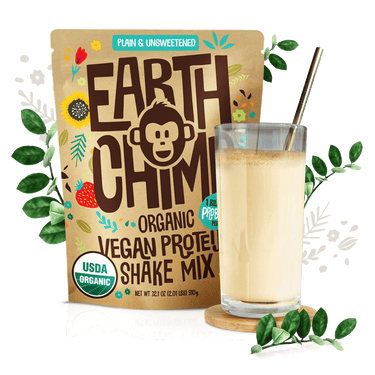
If you prefer a plant-based option, EarthChimp vegan protein powder is designed to fit this kind of routine. It mixes easily into shakes or everyday recipes and avoids dairy, making it a practical choice for people who want a simple, repeatable way to add protein without complicating meals.
At the end of the day, the best protein powder is one you tolerate well, use consistently, and can easily work into your lifestyle. Keep portions measured, recipes simple, and expectations realistic, and protein powder can remain a helpful tool rather than a distraction in your weight-loss plan.
FAQs: Making the Most of Protein Powder for Weight Loss
When Is the Best Time to Use a Protein Shake for Weight Loss?
There isn’t a single “best” time. Protein shakes are commonly used in the morning, between meals as a snack, or occasionally as a meal replacement. The most effective timing is the one that fits your routine and helps you stay consistent with portions and calorie intake.
What Should I Look for in a Protein Powder When Trying to Lose Weight?
Focus on simplicity. A protein powder suited for weight loss usually has a short ingredient list, a clear protein amount per serving, and little to no added sugar. Choosing a product you tolerate well and can use consistently matters more than added features or flavors.
How Can I Increase Protein Intake Without Adding Too Many Calories?
Protein powder makes it easier to add protein without significantly increasing calories when used in measured portions. Mixing it into simple meals like oatmeal or using it in planned shakes or snacks helps raise protein intake while keeping portions controlled.
Does Protein Powder Help Maintain Muscle During Weight Loss?
Adequate protein intake is commonly associated with better muscle maintenance when calories are reduced. Protein powder is a convenient way to help meet daily protein targets, especially when food intake varies, but it works best alongside regular meals rather than replacing them.
References:
-
https://www.healthline.com/nutrition/protein-shakes-weight-loss#appetite
-
https://pubmed.ncbi.nlm.nih.gov/32768415/
-
https://www.ncbi.nlm.nih.gov/pmc/articles/PMC3873760/
-
https://www.ncbi.nlm.nih.gov/pmc/articles/PMC7231581/
-
https://www.healthline.com/nutrition/protein-shake-for-breakfast
-
https://health.clevelandclinic.org/when-to-drink-protein-shakes
Disclaimer:
This statement has not been evaluated by the Food and Drug Administration. This product is not intended to diagnose, treat, cure, or prevent any disease.