
To get a smooth, lump-free protein shake, start by adding liquid before the powder, then mix it well using a shaker or blender. The right liquid temperature and proper storage make all the difference, helping your powder blend easily and stay fresh for every use.
Key Takeaways
-
Liquid first, powder second: Always add liquid before powder to prevent dry pockets and ensure smoother mixing.
-
Natural clumps are okay: Organic and whole-food powders may clump slightly since they’re free from artificial additives.
-
Room temperature liquids: Mixing with liquids that aren’t too cold helps the powder dissolve faster and more evenly.
-
Store in cool, dry places: Proper storage prevents moisture absorption and keeps the powder fresh.
-
Choose quality powders: Plant-based options with minimal fillers and a clean ingredients mix better.
-
Manage your expectations: Protein powders without carrageenan, gums etc. will always have a grainier texture… that’s the tradeoff.
Why Protein Powder Clumps: The Science

Particle Size and Protein Type
Protein powder clumping occurs when powder particles absorb liquid unevenly, creating dry pockets surrounded by wet barriers. Different protein types, soy, pea, hemp, whey, casein, and egg white, have distinct particle sizes that affect dissolution rates.
Processing and Additives
Whole-food protein powders may clump a bit more, and that’s perfectly fine. It simply means they’re free from artificial anti-clumping agents or fillers. With easy mixing techniques like adding the liquid first or using a shaker with a whisk ball, you can still enjoy a smooth, clean, and nutritious shake.
Storage-Related Clumping
Improper storage in humid environments can cause protein powder to absorb moisture from the air, leading to small clumps even before mixing. This doesn’t affect quality or nutrition; the powder remains just as effective. Keeping it sealed tightly in a cool, dry place helps maintain a smooth texture and fresh taste.
Step-by-Step Mixing Method

The Perfect Shake Formula
1. Measure precisely: Use the recommended scoop size on your protein powder package
2. Add liquid first: Pour a moderate amount of water or milk into your shaker or blender
3. Add powder gradually: Introduce protein powder slowly to prevent clump formation
4. Include mixing aid: Insert a wire whisk ball or a metal mixing element for shakers
5. Shake properly: Mix vigorously for 10-30 seconds (avoid over-mixing, which creates unwanted thickness)
6. Adjust consistency: Add liquid incrementally if too thick
7. Release pressure: Open the shaker lid carefully to release built-up pressure
Following this exact sequence ensures smooth, lump-free protein shakes consistently.
Advanced Dissolution Techniques
Temperature Optimization
Room temperature liquids dissolve protein powder significantly faster than cold liquids. Mix powder with room temperature liquid first, then add ice cubes for a cold shake without compromising smoothness.
Pre-Mixing Solutions
-
Sift before mixing: Pass powder through a fine mesh strainer to break existing clumps (you should only have to do this if the product hasn’t been stored correctly and has absorbed moisture and started forming clumps in the pack)
-
Consistency adjustments: Add liquid for thinner shakes, powder for thicker consistency
-
Foam reduction: Mix gently at first and ensure enough liquid is in the shaker before adding powder to prevent air pockets and foam formation.
-
Liquid alternatives: Check other liquid options like milk that give your shake a creamier texture and smoother consistency than water.
Quality and Storage Impact
High-quality protein powders without excessive fillers tend to mix more smoothly. Store your powder in a cool, dry place and always keep the container tightly sealed to prevent moisture from getting in. If the original packaging doesn’t close securely, transfer it to an airtight container to maintain freshness and texture.
Choosing Mix-Friendly Protein Powders

Understanding Protein Types
When choosing a protein powder that mixes easily, start by considering the type of protein and how it’s processed. Plant-based options such as pea, soy, and brown rice generally have a finer texture and smoother consistency when blended, while hemp and some grain-based powders can feel slightly gritty because of their higher fiber content.
In addition to mixability, plant proteins have the added benefit of being dairy-free, suitable for lactose-intolerant individuals, and more sustainable than animal-based options, using less water and land to produce.
Selection Criteria for Smooth Mixing
The way a protein powder is formulated affects how well it dissolves.
-
Texture and processing: Finely milled or “instantized” powders mix more smoothly than coarse or raw blends.
-
Additives: A small amount of natural emulsifier such as sunflower lecithin helps dispersion, but avoid excessive gums, artificial sweeteners, and fillers that can cause foaming or stickiness.
-
Protein source balance: Combining plant proteins such as pea and brown rice can improve both texture and amino-acid completeness without affecting solubility.
-
Digestibility: Choose powders that are lightly processed and free from unnecessary fiber or raw grain residues, which can make shakes gritty or harder to digest.
Quality Indicators
High-quality vegan protein powders usually show good mixability when they are finely textured, instantized, or lecithinated. These physical properties, rather than organic or gluten-free labels, determine how smoothly a powder dissolves.
Clean-label choices that are free from artificial flavors, GMOs, and preservatives provide a pleasant natural taste that blends well with different recipes. Selecting a well-formulated powder gives you both a smooth shake and dependable nutrition.
Troubleshooting Common Issues
Problem-Specific Solutions
-
Too foamy? You're shaking too vigorously. Reduce shake intensity and let the mixture rest for 30 seconds before drinking.
-
Still chunky? Add liquid to your container first, then powder. If chunks persist, use less powder or increase liquid volume.
-
Gritty texture? Your powder contains coarse particles or high-fiber ingredients. Try using a blender or switching to a finer, instantized brand.
-
Thick consistency? Add more liquid or mix for a shorter time. Powders with added fiber or gums naturally become thicker as they hydrate.
EarthChimp: Organic Vegan Protein Solution
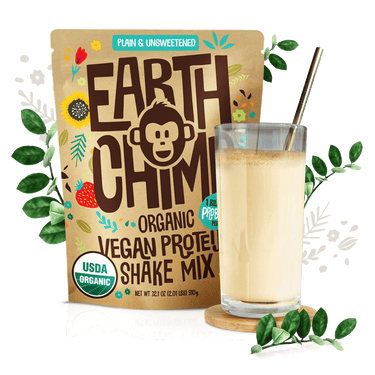
For consistent mixing results, EarthChimp's organic vegan protein powder provides 100% plant-based nutrition with probiotics. This powder contains no artificial flavors, GMOs, or gluten, ensuring a clean, natural blend suitable for a wide range of diets.
The organic formulation dissolves well in both water and plant-based milks, making it versatile for various mixing preferences. Free from common additives, EarthChimp maintains quality while supporting smooth shake preparation.
Let’s manage expectations here — because this is made using real plant-based ingredients, it won’t be clumpy, but it will still have a bit of texture. Plant-based proteins naturally have more texture than whey-based powders, which are always creamier. And since EarthChimp doesn’t use carrageenan or gums, it won’t have that overly smooth or artificially thick mouthfeel you might find in other powders — just a clean, natural texture that comes from honest ingredients.
Frequently Asked Questions
How do I choose the right type of protein powder for my needs?
Protein powder selection depends on dietary requirements and mixing preferences. Whey protein, casein, soy, pea, hemp, and egg white protein each offer unique benefits and mixing properties. Plant-based options from pea, hemp, or soy suit vegan diets and lactose-intolerant individuals, but they typically require specific mixing techniques for smooth dissolution.
How much liquid should I use when mixing protein powder?
Liquid ratios depend on serving size and desired consistency. Use 8-12 ounces of liquid per scoop as a baseline. Thicker shakes need less liquid (8 ounces), while thinner consistencies require more (12+ ounces). Adjust incrementally until you achieve your preferred texture.
Can I mix protein powder with milk instead of water?
Milk creates creamier, more flavorful shakes than water but adds calories and nutrients. Dairy milk increases protein content while plant-based alternatives offer lactose-free options. Water keeps calories minimal and works best for those with dairy sensitivities or calorie restrictions.
What should I do if my protein shake is too foamy or chunky?
Foam and chunks indicate mixing issues. Always add liquid before powder to prevent clumping. Reduce protein powder amount or increase liquid for smoother consistency. Different brands have varying dissolution rates, so switching brands often resolves persistent texture problems. Ensure your shaker includes a wire whisk ball for optimal mixing.
How can I prevent my protein powder from clumping in the container?
Container clumping requires proper storage protocols. Store powder in cool, dry locations away from moisture and sunlight. Seal lids tightly after each use to prevent air and moisture entry. Use a scoop for removal, shaking containers, compressing powder, and creating clumps. Transfer powder to airtight containers if the original packaging doesn't seal properly.
References:
Disclaimer:
This statement has not been evaluated by the Food and Drug Administration. This product is not intended to diagnose, treat, cure, or prevent any disease.