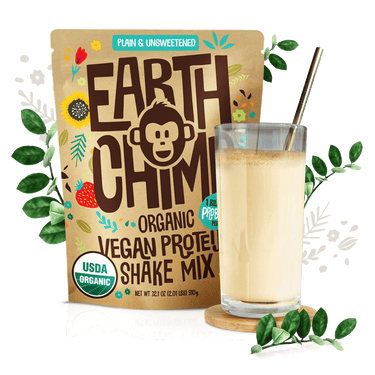

Store protein powder in a cool, dry, and dark place, such as a pantry or kitchen cabinet. Keep the container tightly sealed after each use to limit air and moisture exposure. Use dry scoops, avoid heat and humidity, and store travel portions in airtight containers to help maintain freshness and prevent clumping.
Key Takeaways
-
Proper storage protects quality and usability: Keeping protein powder in a cool, dry, and dark place with the container sealed tightly helps maintain texture, freshness, and consistency over time.
-
Moisture, heat, air, and light are the main storage risks: Exposure to humidity, warmth, and air can cause clumping and quality changes, which is why airtight containers and stable storage locations matter.
-
Everyday handling habits make a difference: Using dry scoops, closing the container immediately after use, and organizing storage areas reduce unnecessary moisture exposure and handling.
-
Protein powder type affects storage sensitivity: Whey protein powder is more prone to moisture-related clumping, while plant-based protein powders can absorb moisture or odors if stored improperly.
-
Spoilage signs are best checked through smell, texture, and appearance: Unusual odors, discoloration, or clumps that don’t break apart when mixed are practical indicators that protein powder may no longer be in good condition.
How to Store Protein Powder Properly for Long-Term Freshness

Storing protein powder properly helps maintain its quality, texture, and usability over time. The goal is to protect it from heat, moisture, air, and light, which are the main factors that can affect freshness and cause clumping or spoilage. Following a few simple storage and handling practices makes it easier to keep protein powder in good condition from the first scoop to the last.
1. Choose a Cool, Dry, and Dark Storage Location
Protein powder stores best in a cool, dry, and dark place, such as a pantry or kitchen cabinet. These locations limit exposure to heat, humidity, and light, which can gradually affect the powder’s quality. Avoid storing protein powder near appliances that release heat or steam, such as ovens, dishwashers, or kettles. Even indirect warmth or moisture can impact how well the powder holds up over time.
2. Keep the Container Airtight at All Times
No matter what type of container your protein powder comes in, sealing it tightly after each use is essential. If the powder is packaged in a resealable pouch, make sure the zipper is fully closed. For tubs or jars, ensure the lid is screwed on securely.
An airtight seal helps keep out air and moisture, both of which can cause clumping and reduce freshness. Proper sealing also limits exposure to pests, which can lead to contamination if containers are left partially open.
3. Handle Protein Powder Correctly During Daily Use
Every day handling plays a role in how long protein powder stays usable. Always use dry hands and a dry scoop when measuring servings, and close the container immediately after use. These small habits help prevent moisture from entering the container during regular use. Reducing repeated exposure to humid air supports better texture and consistency over time.
4. Store Protein Powder Safely When Traveling
If you need to take protein powder with you, use small, airtight containers designed for dry supplements. These containers help protect the powder from air and moisture while you’re on the go. Choose containers that seal tightly and keep them away from heat or damp environments in bags or vehicles. Proper travel storage helps maintain freshness, similar to storing protein powder at home.
5. Organize Your Protein Powder Storage Area
An organized storage area makes protein powder easier to use consistently. Keeping containers in visible, accessible locations helps reduce unnecessary handling and repeated exposure. Good organization supports a smoother daily routine and helps maintain proper storage conditions over the long term.
How Different Types of Protein Powder Affect Storage and Shelf Life
Protein powders vary in composition, and storage needs depend on the type you’re using. Common options include whey protein powder and plant-based protein powders such as pea or rice blends, each reacting differently to humidity, heat, and light.
Whey protein powder can be more affected by moisture, and exposure to humid air may lead to clumping if containers aren’t sealed properly. Plant-based protein powders may also absorb moisture or odors if stored in warm or damp environments.
The expiration date on the label offers a general reference for how long the product is expected to remain usable under proper storage conditions. Ingredients, packaging quality, and everyday storage habits all influence how well protein powder holds up over time.
Understanding how your specific protein powder reacts to its environment makes it easier to store it in a way that maintains freshness and consistency for regular use.
How to Tell If Your Protein Powder Has Gone Bad
Protein powder doesn’t last indefinitely, even when stored correctly. Over time, changes in smell, appearance, or texture can signal that the powder is no longer in good condition.
Pay attention to sensory changes. A sour or unusual smell, noticeable discoloration, or persistent clumping that doesn’t break apart when mixed can indicate quality issues or contamination. If the powder tastes noticeably off or mixes unevenly into liquids, it’s best not to continue using it.
Always check the expiration date on the packaging and store protein powder in cool, dry conditions to help maintain quality. Regularly checking these signs helps you decide when it’s time to replace a container rather than risk using a product that’s past its prime.
Common Protein Powder Storage Mistakes and How to Avoid Them

Even when you know the basics of protein powder storage, a few common mistakes can still affect quality over time. These issues often happen during everyday use or when choosing where to store your container. Avoiding the mistakes below helps keep protein powder in better condition for longer.
1. Freezing or Refrigerating Protein Powder
Storing protein powder in the freezer or refrigerator is a common mistake. Cold environments can cause condensation when the container is opened, allowing moisture to enter the powder. Moisture can lead to clumping and reduce overall quality.
How to avoid it: Store protein powder at room temperature in a dry location instead of using cold storage.
2. Storing Protein Powder Near Strong Odors
Protein powder can absorb surrounding odors if stored near spices, cleaning products, or other strong-smelling items. Over time, this can affect the taste of the powder when mixed.
How to avoid it: Keep protein powder in a dedicated pantry shelf or cabinet away from aromatic foods and household products.
3. Using Wet Spoons or Scoops
Scooping protein powder with wet utensils introduces moisture directly into the container. Even small amounts of water can cause clumping and affect texture and mixability.
How to avoid it: Always use dry scoops and utensils when handling protein powder, and keep them stored away from sinks or damp areas.
4. Placing Protein Powder Near Heat Sources
Storing protein powder near ovens, microwaves, kettles, or other heat-producing appliances exposes it to ongoing warmth. Heat can affect texture and shorten the powder’s usable life.
How to avoid it: Choose a storage spot away from appliances and direct heat to maintain more stable conditions.
If You Can’t Tolerate Lactose, Plant-Based Protein Powders May Be a Better Fit
For those who avoid dairy due to personal preferences or dietary needs, plant-based protein powders can be a suitable alternative. They are made without milk-based ingredients and often use protein sources such as peas, hemp, and rice, offering a variety of non-dairy options.
Plant-based protein powders also fit well into a vegan lifestyle and appeal to people who prioritize plant-based eating for environmental, ethical, or personal reasons. As part of a balanced diet, they provide an option that aligns with these preferences without relying on animal-derived ingredients.
How to Make the Most of Your Protein Powder With 5 Simple Recipes

1. Mixed Berries Banana Smoothie
This quick, non-dairy protein shake blends banana, mixed berries, and protein powder into a smooth, flavorful option that works well for busy mornings or simple meal prep.
Ingredients
-
1 cup non-dairy milk (such as almond, coconut, or soy)
-
2 scoops vanilla protein powder
-
1 ripe banana
-
1/2 cup mixed berries (fresh or frozen)
-
1 scoop peanut butter
2. Banana Cinnamon Smoothie
This creamy smoothie combines banana, cinnamon, and protein powder for a simple, comforting option that works well as part of a morning routine or quick blend at home.
Ingredients
-
8 oz pea milk
-
1/2 cup vanilla vegan Greek yogurt
-
1 frozen banana
-
1 tbsp cinnamon
-
2 scoops vanilla protein powder
3. Banana Split Milkshake
This creamy, dessert-style milkshake blends banana, chocolate-flavored protein powder, and plant-based ingredients into a smooth option when you want something sweet but simple to make.
Ingredients
-
1 frozen banana
-
2 scoops vanilla oat milk ice cream
-
8 oz unsweetened almond milk
-
1 scoop chocolate-flavored protein powder
-
1 tsp vanilla extract
-
6–8 ice cubes
4. Blueberry Almond Butter Smoothie
This smoothie combines blueberries, almond butter, and protein powder into a creamy, fruity blend that works well for quick mornings or simple at-home prep.
Ingredients
-
1 ripe banana
-
2 cups blueberries (fresh or frozen)
-
1 spoon almond butter (or sunflower butter for a nut-free option)
-
2 scoops vanilla protein powder
-
1 cup plant-based milk (add more if needed)
5. Raspberry Banana Smoothie
This smoothie blends banana, raspberries, and protein powder with oats for a simple, creamy option that works well for busy mornings or a quick midday blend.
Ingredients
-
1/2 cup oats
-
1 scoop vanilla protein powder
-
1 banana
-
3/4 cup raspberries (fresh or frozen)
-
1 cup plant-based milk (such as oat or almond)
-
Ice (optional, for thickness)
Wrapping Up: Keep Your Protein Powder Fresh and Put It to Good Use

Storing protein powder the right way helps preserve its quality, texture, and usability from the first scoop to the last. Keeping it in a cool, dry, and dark place, sealing the container tightly after each use, and avoiding exposure to moisture, heat, and strong odors all support better long-term storage. Paying attention to everyday handling habits and common storage mistakes can make a noticeable difference over time.
Using your protein powder regularly also matters. Simple shake and smoothie recipes make it easier to enjoy what you have while it’s still at its best, helping reduce waste and keep your routine consistent.
If you prefer a plant-based option, EarthChimp vegan protein powder fits naturally into these habits. With clean, plant-based ingredients and easy mixability, proper storage helps maintain its intended taste and consistency so you can get the most out of each serving as part of your everyday routine.
FAQs About Protein Powder Storage
Can You Keep Protein Powder in the Fridge?
You can store protein powder in the fridge, but it isn’t recommended. Cold storage can cause condensation when the container is opened, introducing moisture that may lead to clumping or quality changes. Keeping protein powder at room temperature in a dry place usually provides more stable storage conditions.
What Kind of Containers Should You Use for Protein Powder?
Use containers that seal airtight. Resealable pouches or tubs with secure screw-on lids help limit air and moisture exposure, which supports better texture and consistency over time.
What Should You Do If Your Protein Powder Gets Clumpy?
First, check the powder’s smell and appearance. If it looks normal and smells fine, clumps may be caused by minor moisture exposure and can sometimes be broken up. If the powder smells off or looks unusual, it’s best not to use it. Using dry scoops and resealing the container promptly helps prevent clumping.
How Long Does Protein Powder Last Once Opened?
Most protein powders have a shelf life of about 12 to 18 months when unopened, as indicated on the packaging. Once opened, how long protein powder stays usable depends largely on storage conditions. Keeping the container sealed and stored in a cool, dry place helps maintain quality.
The expiration date on the label remains the best reference, along with checking for noticeable changes in smell, texture, or appearance.
References:
-
https://www.verywellfit.com/does-protein-powder-expire-7557072
-
https://www.healthline.com/nutrition/whey-vs-plant-protein
Disclaimer:
This statement has not been evaluated by the Food and Drug Administration. This product is not intended to diagnose, treat, cure, or prevent any disease.