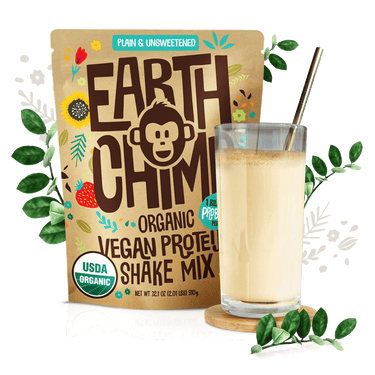

Unflavored protein powder can be added to smoothies, oatmeal, yogurt, baking, or even savory dishes for an easy protein boost without altering flavor. A single scoop supports muscle recovery, helps you stay full longer, and makes healthy eating more effortless. In this guide, you’ll find a few simple recipe examples and easy ways to use it in your daily meals.
Key Takeaways
-
Nutrition made easy: A single scoop supports muscle recovery, fullness, and daily protein needs (about 50 g for most adults).
-
Best everyday use: Smoothies and shakes mix easily with fruits, greens, or nut butter.
-
Breakfast boost: Stir into oatmeal or yogurt for a creamy, high-protein start.
-
Savory ideas: Add to soups, sauces, or dips to increase protein without changing flavor.
-
Plant-based choice: Vegan protein powders are naturally dairy-free and often easier to digest, though some blends may still cause sensitivities.
Why Add Protein Powder to Recipes?

Adding protein powder to your meals is a simple way to boost nutrition, stay fuller for longer, and make it easier to stick with your lifestyle goals. It fits into almost any diet plan and gives you a quick source of protein whenever you need it.
-
For active lifestyles: Try snack ideas with protein powder, such as shakes, yogurt, or protein bars, to support muscle repair and recovery.
-
For busy schedules: Smoothies, baked goods, or even coffee are easy ways to get protein on the go.
-
For weight management: Protein helps with fullness, which reduces snacking and helps control calorie intake.
-
For dietary preferences: Plant-based powders are a great choice for vegans, vegetarians, and anyone avoiding dairy.
Whatever your health goals are, protein powder can easily be part of your daily routine without compromising taste or convenience.
Daily Protein Intake Guidelines
On a 2,000-calorie diet, most adults need about 50 grams of protein each day. Your exact requirement depends on factors like age, activity level, and personal goals. Adding unflavored protein powder is an easy way to reach your daily protein target since it provides a clean protein source with minimal added sugars or artificial ingredients.
Sample Recipes Using EarthChimp Plain Protein Powder
1. Caramel Macchiato Proffee
Need a little pick-me-up that tastes like dessert but fuels your day? This creamy caramel macchiato proffee blends rich espresso, smooth plant milk, a drizzle of caramel, and a clean scoop of EarthChimp for a sweet, energizing boost that feels like a treat.
Ingredients
-
1 scoop plain protein powder
-
1 cup milk of choice (almond, oat, soy, etc.)
-
Double shot of espresso (or strong brewed coffee)
-
Ice
-
1–2 tsp caramel sauce
-
Extra drizzle of caramel for topping (optional but highly encouraged)
2. Zesty Blueberry Lemon Poppy Muffins
Bright, tangy, and packed with a boost of protein, these Blueberry Lemon Poppy Muffins make mornings extra cheerful. The zesty lemon, juicy blueberries, and light crunch from poppy seeds create a bakery-style flavor that’s as nourishing as it is satisfying. Perfect for breakfast or an afternoon treat!
Ingredients
For the muffins:
-
1 cup all-purpose or whole wheat flour
-
½ cup plain protein powder
-
½ tsp baking soda
-
½ tsp salt
-
¼ cup melted butter or olive oil
-
¾ cup monk sugar
-
2 large eggs
-
Juice of 2 lemons
-
Zest of 2 lemons
-
1 cup Greek yogurt
-
½ tbsp poppy seeds
-
1 cup fresh or frozen blueberries
For the glaze:
-
1 cup powdered sugar
-
1 tbsp lemon juice (or more, to reach desired consistency)
More Easy Ways to Use Unflavored Protein Powder

Unflavored protein powder is incredibly versatile and blends into almost any meal or snack without altering taste. Whether you are cooking, baking, or meal-prepping, it keeps its nutritional value in both hot and cold recipes. Here are some simple ways to add it to your daily routine:
-
Smoothies and Shakes:
Add a scoop to your favorite smoothie or shake for an easy protein boost. It blends smoothly with fruits, greens, or nut butter.
-
Homemade Snack Bars:
Mix protein powder with oats, nuts, and a natural binder to make your own protein-packed snack bars.
-
Yogurt or Oatmeal:
Stir it into yogurt or oatmeal for a creamy, filling breakfast that balances carbohydrates with protein.
-
Dips and Spreads:
Blend into hummus, guacamole, or other savory dips to increase protein without changing the flavor.
-
Sauces and Soups:
Whisk into sauces or soups for extra protein. Add gradually to warm (not boiling) liquids to avoid clumping.
-
Baking and Batters:
Incorporate into pancake, waffle, or muffin batter to boost protein content in your favorite recipes.
-
Savory Meals:
Mix into dishes such as veggie patties, casseroles, or breadcrumbs for added texture and nutrition.
These ideas show how easily plain protein powder can be added to everyday meals. As you experiment, you will find it enhances nutrition without affecting the taste or texture of your food, making it one of the simplest ways to meet your daily protein goals.
Plant-Based Protein Powder Options

If you’re looking for a dairy-free alternative to whey, plant-based protein powder is an excellent choice. It fits easily into vegan or allergy-friendly diets, is often easier to digest for those sensitive to lactose, and can be used in smoothies, baking, or even cooking to boost nutrition without overpowering the natural flavor of your food.
Allergy-Friendly and Vegan Benefits
Plant-based protein powders are naturally free from dairy and suitable for vegan diets. Many formulas are also free from gluten, GMOs, and artificial ingredients, making them a great option for people with food sensitivities. Always check the ingredient label if you have soy or nut allergies, since some blends may include these.
Versatility in Baking and Cooking
Plant-based protein powders can be used in a wide range of recipes. Replace about one-quarter to one-third of the flour in muffins, pancakes, or brownies to increase protein while keeping the texture soft. You can also add unflavored powder to soups, sauces, or veggie patties for extra nutrition.
Although plant proteins may create a slightly denser texture than whey, they still deliver satisfying, protein-rich results that keep you full longer.
Wrapping Up: Making the Most of Unflavored Protein Powder

Unflavored protein powder boosts nutrition with minimal impact on flavor. It blends easily into smoothies, oatmeal, sauces, dips, or baked goods, making it a versatile choice for everyday meals.
If you’re looking for a vegan-friendly option, consider EarthChimp’s vegan protein powder. It’s plant-based, allergy-friendly, and designed to mix seamlessly into sweet or savory recipes.
Adding protein can be as simple as adding a scoop to your morning oatmeal or sprinkling it into your baking mix. The key is consistency: use it daily to easily meet your protein goals.
FAQs About Using Unflavored Protein Powder
What Do You Mix Unflavored Protein Powder With?
You can mix it with smoothies, oatmeal, yogurt, sauces, or dips. Its neutral taste makes it flexible for both sweet and savory dishes.
How Do You Use Unflavored Protein Powder in Baking?
Substitute ¼ to ⅓ of the flour in a recipe with protein powder. This increases protein while keeping baked goods light enough for muffins, cookies, or bread.
What Are Some Savory Recipes Using Unflavored Protein Powder?
Add it to dips, soups, sauces, or breading for meats and vegetables. Because it’s unflavored, it won’t compete with herbs or spices.
Does Unflavored Protein Powder Affect the Texture of Recipes?
Yes, it can make foods denser or thicker, especially in baking. Start with small amounts and experiment to balance protein content with desired texture.
References:
Disclaimer:
This statement has not been evaluated by the Food and Drug Administration. This product is not intended to diagnose, treat, cure, or prevent any disease.