
When appetite changes on GLP-1 medications, some people notice that protein becomes less consistent in their meals.
The most common protein habits include skipping protein when you're not hungry, relying on carb-heavy foods, trying to eat all your protein in one meal, and choosing protein sources that feel too heavy. Often, small adjustments in how protein is included across meals can make a meaningful difference.
Key Takeaways
-
Skipping protein because you're not hungry can lower your intake over time: Your protein needs don't decrease just because your appetite does. Small, consistent protein intake matters more than waiting for hunger.
-
Defaulting to carb-focused foods creates protein gaps: Toast, crackers, and fruit are easy to eat when appetite is low, but they may leave meals lower in protein than expected.
-
Trying to get all your protein in one meal often doesn't work well on GLP-1: Early fullness makes large portions uncomfortable. Spreading protein across the day works better than loading up at dinner.
-
Heavy protein sources often go unfinished: Dense foods that worked before GLP-1 may feel overwhelming now. Lighter, easier-to-tolerate options lead to more consistent intake.
-
Not noticing how much protein you actually eat is a common pattern: Portions shrink gradually. Without paying attention, protein can drop significantly before you notice any signs.
Why Protein Patterns Change on GLP-1 Medications
GLP-1 medications like Ozempic are commonly associated with reduced appetite and changes in fullness. Meals become smaller. Eating feels less urgent. Some days, food barely crosses your mind.
In this environment, protein patterns shift not because of laziness or poor planning. They're a natural response to how your body now relates to food.
Protein-rich foods often require more effort. They need cooking, preparation, or at least intentional inclusion. When appetite is low, it's easier to grab something light and simple. That usually means carbs, not protein.
The result is a gradual decline in protein intake that you may not notice until changes appear. This is one reason why muscle loss can happen on Ozempic if protein isn't prioritized. Understanding why this happens is the first step to adjusting.
Protein Intake Patterns to Be Aware of on GLP-1 and How to Adjust

1. Skipping Protein Because You're Not Hungry
The pattern: Assuming that no hunger means no need to eat protein.
Why it happens: GLP-1 medications suppress appetite effectively. When you don't feel hungry, eating feels optional. Protein, which requires more effort than grabbing a snack, gets skipped entirely.
Why it matters: Protein plays a role in muscle maintenance, tissue repair, and everyday body functions. These roles don't pause because your appetite did.
What helps: Eating small amounts of protein consistently, even without strong hunger cues. A few bites of yogurt, a hard-boiled egg, or a small shake counts.
You don't need to be hungry to include protein. You just need to be intentional. For more strategies, check out our guide on how to get enough protein on GLP-1.
2. Relying on Light, Carb-Focused Foods
The pattern: Defaulting to toast, crackers, fruit, or cereal because they're easy to eat.
Why it happens: When appetite is low, simple carbohydrates feel more manageable than protein-rich foods. They require less chewing, less preparation, and less mental effort.
Why it matters: These foods fill your stomach without providing adequate protein. A breakfast of toast and fruit may feel like a complete meal, but it leaves a protein gap that adds up over time.
What helps: Pairing carbs with protein at every meal. Add eggs to your toast. Have yogurt with your fruit. Put nut butter on your crackers. Small additions transform carb-heavy meals into balanced ones without increasing volume.
3. Eating Most of Your Protein in One Meal
The pattern: Skipping protein at breakfast and lunch, then trying to "catch up" at dinner.
Why it happens: When appetite is low in the morning, pushing protein to later feels easier. You tell yourself you'll make up for it at dinner when you're more willing to eat.
Why it matters: GLP-1 medications cause early fullness. By dinner, you can't eat the large portion you planned. The protein you skipped earlier stays skipped. Research also suggests that protein may be used more effectively when distributed throughout the day rather than consumed all at once.
What helps: Spreading protein across smaller meals and snacks. Include some protein at breakfast, lunch, dinner, and snacks when possible. Small amounts at each meal add up to adequate daily intake without overwhelming your reduced appetite.
4. Eating Only When Hunger Arrives
The pattern: Only eating when true hunger arrives.
Why it happens: Before GLP-1 medications, hunger cues told you when to eat. It's natural to wait for those signals. But GLP-1 medications suppress those cues, sometimes dramatically.
Why it matters: Hunger may not arrive at all. Waiting for it can mean going six, eight, or ten hours without food. By the time you finally eat, you're either too full too fast or too tired to prepare something with protein.
What helps: Some people find it helpful to eat on a loose schedule rather than waiting for hunger. Checking in with yourself every few hours can help. If it's been a while since you ate, having something small with protein may help, even without strong hunger cues. Think of it as maintaining your body, not feeding your appetite.
5. Sticking with Protein Sources That Feel Too Heavy
The pattern: Continuing to eat dense protein foods like large chicken breasts, thick steaks, or heavy protein shakes.
Why it happens: These were your reliable protein sources before starting GLP-1 medications. They worked well when your appetite was normal.
Why it matters: Dense, heavy foods trigger early fullness on GLP-1 medications. You take a few bites, feel uncomfortable, and leave the rest. The protein you planned to eat goes unfinished.
What helps: Switching to lighter, easier-to-tolerate protein sources. Greek yogurt, cottage cheese, eggs, smoothies, and soft fish are easier to eat in smaller amounts. Match your protein choices to your current appetite, not your previous one.
6. Not Noticing How Much Protein You Actually Eat
The pattern: Assuming you're getting enough protein without checking.
Why it happens: Your meals feel normal. You're eating regularly. Nothing seems dramatically different except that portions are smaller.
Why it matters: Protein intake can drop significantly without being obvious at first. Changes like fatigue or weakness may take weeks or months to become noticeable. By then, you've been eating less protein for a long time.
What helps: Reviewing what you actually eat over the course of a typical day or week. Count up the protein. You may be surprised at how much less you're consuming than you thought. Awareness is the first step toward adjustment.
How to Build Better Protein Habits on GLP-1

Adjusting patterns is one thing. Building sustainable habits is another.
Here's how to make protein a consistent part of your routine without fighting your reduced appetite.
1. Start Meals with Protein
Fullness arrives quickly on GLP-1 medications. If you eat sides or carbs first, you may run out of appetite before reaching the protein on your plate.
Some people find it helpful to eat the protein portion first. This ensures you get the most important part of the meal before fullness sets in.
2. Keep Protein Options Visible and Ready
If protein requires searching or preparation, you're less likely to eat it when your appetite is low. Make it easy on yourself.
Keep hard-boiled eggs in the fridge. Store yogurt at eye level. Leave protein powder on the counter. When protein is grab-and-go, you'll eat it more consistently.
3. Choose Compact, Protein-Dense Foods
Some foods deliver more protein per bite than others. When appetite is limited, these work better than bulky options.
Good choices include Greek yogurt, cottage cheese, eggs, edamame, tofu, and light protein shakes. These fit into smaller meals without making them feel heavy.
4. Include Protein at Every Eating Occasion
Don't reserve protein for "main meals" only. Include it in snacks too. A few bites of cheese, a small handful of nuts, or a mini protein shake all contribute to your daily total.
Small amounts spread across the day add up faster than you'd expect.
5. Focus on Consistency Over Perfection
You won't hit your protein target perfectly every day. That's fine. What matters is the overall pattern.
If protein is included at many meals and snacks, some people find it easier to maintain a more consistent pattern over time. Don't stress about individual meals. Focus on building habits that repeat. Consistency beats perfection every time.
If you're also working on strength or fitness goals, see our guide on how to build muscle on GLP-1.
A Note From EarthChimp

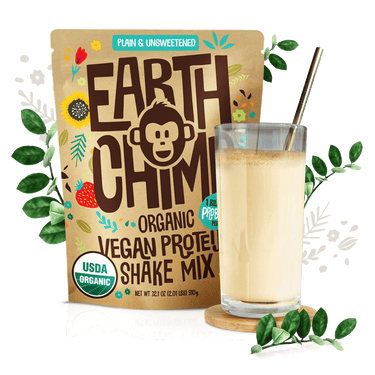
When appetite is low, and protein feels hard to include, EarthChimp's organic vegan protein powder offers a simple option. It blends smoothly into shakes, oatmeal, or yogurt without adding bulk or heaviness.
Made with simple, clean ingredients, it mixes easily and fits into smaller meals. On days when solid food feels like too much, a quick shake can help you include protein without forcing a full meal.
Frequently Asked Questions
What Is the Most Common Protein Pattern on GLP-1?
One common pattern is that protein intake may drop as appetite decreases. Protein plays a role in muscle maintenance, tissue repair, and everyday functions. When you eat less overall, protein intake drops unless you make intentional choices to include it.
Skipping protein because you're not hungry is the most common pattern people fall into.
How Do I Know If I'm Not Getting Enough Protein on Ozempic?
Some people notice persistent fatigue, feeling unsatisfied after meals, or changes in hair, nails, or skin. However, these patterns can have many causes.
The most practical indicator is behavioral: if you're eating much less than before and protein-rich foods aren't part of your regular routine, your intake has likely dropped. Reviewing what you actually eat over a week can reveal protein gaps.
A healthcare provider or dietitian can help assess your individual situation.
Should I Force Myself to Eat Protein If I'm Not Hungry on GLP-1?
You don't need to force large amounts, but some people find it helpful to include protein consistently, even without hunger. Small portions count. A few bites of yogurt, a hard-boiled egg, or a small protein shake all contribute to your daily intake.
The goal is steady, manageable protein at regular intervals rather than waiting for hunger that may not arrive.
What Are the Easiest Protein Sources When Appetite Is Low?
Lighter, softer options tend to work best. Greek yogurt, cottage cheese, eggs, smoothies, protein shakes, soft fish, and tofu are easier to eat in small amounts than dense meats or heavy dishes.
Protein powder mixed into oatmeal or blended into smoothies adds protein without increasing volume. Choose formats that match your reduced appetite.
How Much Protein Do I Need Daily on GLP-1 Medications?
A common guideline is about 1.2 grams of protein per kilogram of body weight per day. For a 150-pound person, that's roughly 80-85 grams daily. The exact amount depends on your activity level, health goals, and individual needs.
Focus on including protein at each eating occasion rather than hitting a precise number. A healthcare provider or dietitian can help you determine the right target for your situation.
Building strong protein habits now also helps if you eventually transition off medication. Learn more in our article on what happens when you stop taking Ozempic and how protein helps.
References:
-
https://www.health.com/7-mistakes-people-make-when-it-comes-to-weight-loss-drugs-8717684
-
https://www.webmd.com/diet/ss/slideshow-not-enough-protein-signs
-
https://www.uchealth.org/today/nutrition-vital-when-taking-glp-1-weight-loss-drugs/
Disclaimer:
This article is for informational purposes only and is not medical advice. If you're taking Ozempic or any GLP-1 medication, consult your healthcare provider about dietary changes that are right for you.