
Vegan protein may be relevant for different reasons. Some people follow a vegan or vegetarian diet or prefer plant-based foods, while others explore plant-based proteins because they can feel lighter or easier to include when appetite is low.
Foods like tofu, lentils, edamame, tempeh, and vegan protein powders are among the options people on Ozempic may consider.
Key Takeaways
-
Vegan proteins can work well for some people on Ozempic: Plant-based options may feel lighter when appetite is reduced.
-
There are many ways to include vegan protein: Whole foods, meals, snacks, and shakes all offer options worth considering.
-
Softer textures and smaller portions are often preferred: Many people find that how a protein feels matters as much as the protein content itself.
-
Simpler ingredients tend to sit better for many people: Shorter ingredient lists and fewer additives are a common preference.
-
Finding what works may take some experimentation: Individual experiences vary. What feels good for one person may be different for another.
Vegan Protein Sources and Meal Ideas

There are many vegan protein options available. Below are some that people commonly mention, organized by how they're typically used.
Whole Food Sources
These are plant-based proteins in their whole or minimally processed form.
1. Tofu
Tofu is made from soybeans and comes in several textures. Silken tofu has a softer texture that can be easier to incorporate into meals when appetite is low. Firm tofu is denser in texture and may feel more substantial per bite, which can work well on days when appetite feels steadier.
2. Tempeh
Tempeh is also made from soybeans but is fermented, giving it a firmer texture and nuttier flavor. Individual responses to fermented foods can vary, so tempeh may feel easier to include for some individuals, while others may prefer to try it gradually.
3. Lentils
Lentils provide protein along with fiber and come in several varieties, including green, brown, and red. Red lentils cook more softly and break down more during cooking, which can create a smoother texture. Smaller portions are sometimes used initially and adjusted over time depending on personal tolerance.
4. Chickpeas and Beans
Chickpeas, black beans, kidney beans, and other legumes provide protein along with fiber. Canned and well-rinsed versions can be convenient and easier to incorporate into meals. In some cases, these legumes are used as part of mixed dishes rather than the primary component of a meal.
5. Seitan (Wheat Gluten)
Seitan is made from wheat gluten and is often noted for its higher protein content compared with many other plant-based options. For those who tolerate gluten, softer preparations may feel easier to include than dense or dry pieces.
Meals
Some people find it helpful to have meal ideas that include vegan protein. Here are a few options that tend to be simple to prepare.
Simple Meal Ideas
-
Lentil soup: Red lentils cooked until soft in vegetable broth with simple seasonings. Some people find this easier to eat when appetite is low.
-
Tofu stir-fry: Soft or firm tofu with vegetables, lightly seasoned. Smaller portions may feel more manageable for some people.
-
Bean and rice bowl: A small portion of black beans or chickpeas over rice with vegetables. Some people find this combination filling without feeling heavy.
Meal Recipes to Try
1. PB Banana Protein Oatmeal Prep time: 5 mins | Serves: 1
Ingredients
-
Rolled oats
-
Plant-based milk
-
1 scoop vegan protein powder
-
Peanut butter
-
Banana, sliced
Instructions: Add the oats, milk, protein powder, and peanut butter to a microwave-safe bowl. Microwave for about 30 seconds, then stir well. Top with sliced banana before serving.
2. Green Protein Smoothie Bowl Prep time: 5 mins | Serves: 1
Ingredients
-
1 frozen banana
-
About 1 cup frozen cauliflower
-
A handful of spinach
-
1 scoop vegan protein powder
-
Nondairy milk
-
Optional: a small amount of sweetener
Instructions: Blend all ingredients until smooth and creamy, adding more milk as needed. Pour into a bowl and add any toppings you enjoy.
2. Protein-Packed Yogurt Bowl Prep time: 5 mins | Serves: 1
Ingredients
-
3/4 cup plant-based yogurt
-
1-2 scoops vegan protein powder
-
Fresh fruit of choice
-
Optional toppings: granola, nut butter, seeds
Instructions: Add the yogurt to a bowl. Stir in the protein powder until smooth. Top with fruit and any optional extras you enjoy.
Snacks
For times between meals, some people find smaller protein options helpful. Here are a few snack ideas that include vegan protein.
1. Edamame
Edamame are whole young soybeans. They're easy to enjoy on their own or as a side. Smaller portions, such as a few tablespoons to 1/3 cup, may work better for some people than larger servings.
2. Roasted Chickpeas
Roasted chickpeas can be a crunchy snack option. They're available pre-made or can be prepared at home. Some people find smaller portions easier to manage.
3. Soy Yogurt with Fruit
Soy-based yogurt is a convenient snack that provides protein. Unsweetened or lightly sweetened versions are often preferred by some people on GLP-1 medications. Adding a few berries or sliced fruit is an option some people enjoy.
4. Nut Butter with Banana or Apple Slices
A small amount of peanut butter or almond butter with fruit slices can be a simple snack. Some people find this combination satisfying without feeling too heavy.
Shakes
Protein shakes can be a convenient option when solid food feels less appealing. Some people find liquid protein easier to include on days when appetite is particularly low.
Shake Recipes to Try
1. Mocha Protein Shake Prep time: 5 mins | Serves: 1
Ingredients
-
1 scoop vegan chocolate protein powder
-
6 oz cold brew coffee
-
6 oz unsweetened almond milk
-
1 frozen banana
-
1 cup ice
Instructions: Blend all ingredients until smooth. Adjust with more almond milk (thinner) or ice (thicker).
2. Protein-Packed Coffee Shake Prep time: 5 mins | Serves: 1
Ingredients
-
1 cup brewed coffee (cooled)
-
1/4 cup plant-based milk
-
1 scoop vegan chocolate protein powder
-
1 frozen banana
-
Ice
Instructions: Blend all ingredients until smooth and frothy.
3. Chocolate Covered Strawberry Protein Shake Prep time: 5 mins | Serves: 1
Ingredients
-
1 cup oat milk
-
1 cup frozen strawberries
-
1 banana
-
1 tbsp chia seeds
-
2 scoops vegan chocolate protein powder
Instructions Blend all ingredients until smooth and creamy. Optional: top with dark chocolate shavings and fresh strawberries.
4. Almond Banana PB Shake Prep time: 3 mins | Serves: 1
Ingredients
-
1 cup ice
-
2 cups almond milk
-
1 scoop vegan chocolate protein powder
-
Pinch of cinnamon
-
1/2 banana
-
Large spoonful of almond butter
Instructions Blend all ingredients until smooth and creamy. Garnish with banana slices and a sprinkle of cinnamon.
5. Strawberry Protein Shake Prep time: 3 mins | Serves: 1
Ingredients
-
1 1/2 frozen bananas
-
1 1/2 cups frozen strawberries
-
Soy milk (to desired consistency)
-
1 scoop vegan vanilla protein powder
-
A few dates (for sweetness)
Instructions Blend all ingredients until smooth and creamy. Adjust sweetness or thickness as needed.
Keep in mind: These recipes are just starting points. Feel free to swap ingredients based on what you have or what works for you.
Factors Often Considered When Choosing a Vegan Protein Powder

For those interested in vegan protein powders, there are a few factors that come up frequently.
Ingredients and Additives
Some people prefer protein powders with shorter ingredient lists. Artificial sweeteners, gums, thickeners, and fillers may not sit well for everyone.
Certain ingredients may cause discomfort for some people. Reading labels can help identify potential concerns.
Texture and Mixability
Chalky or gritty textures can be off-putting for some people, especially when appetite is already low. A powder that blends smoothly may make a difference.
Some powders mix easily with just a spoon or shaker bottle. Others may need a blender to avoid clumps.
Flavor
Taste preferences vary. Some people prefer mild or unflavored options that blend into smoothies without competing flavors. Others prefer chocolate, vanilla, or other distinct flavors.
Very sweet profiles don't work for everyone on GLP-1 medications. Some people find they prefer less sweetness than they did before starting the medication.
Reasons People Choose Vegan Protein on GLP-1
-
Some find plant-based options feel lighter: When appetite is low and heavier foods don't appeal, vegan proteins like tofu, lentils, or plant-based protein powders may feel more manageable for some people.
-
Variety beyond dairy-based proteins: For those who find dairy-based options like whey don't sit well, plant-based proteins offer alternatives worth considering.
-
Dietary preferences or restrictions: Some people follow a vegan or vegetarian diet, while others simply want to include more plant-based foods.
-
Exploring what works: GLP-1 medications can change how different foods feel. Some people find that experimenting with plant-based proteins helps them discover options that work for their situation.
Understanding why protein is important on GLP-1 can provide helpful context for thinking about protein choices.
A Note From EarthChimp

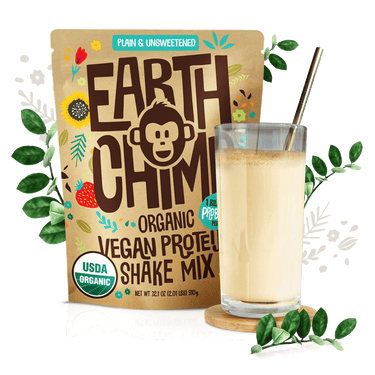
For those looking for a plant-based protein powder, EarthChimp's organic vegan protein powder is one option to consider.
It's made with simple, clean ingredients and blends smoothly into shakes, smoothies, or oatmeal. Some people find it light and easy to include, even on days when appetite is low.
Frequently Asked Questions
Is Vegan Protein a Good Option on Ozempic?
For some people, yes. Plant-based proteins may feel lighter and easier to include when appetite is reduced. Whether vegan protein works well depends on individual preferences, tolerances, and dietary needs.
What Vegan Protein Sources Do Some People Prefer on GLP-1?
Options that come up frequently include tofu (especially silken tofu on low-appetite days), lentils, edamame, soy milk, and plant-based protein powders made from pea protein, rice protein, or blends. Individual preferences vary.
Are Vegan Protein Powders Easier to Tolerate Than Whey?
Some people find plant-based powders sit better than dairy-based options like whey.
Others do fine with whey. It depends on individual responses. For those who find dairy doesn't sit well, vegan powders are an alternative worth considering.
What Should I Look for in a Vegan Protein Powder on Ozempic?
Factors some people consider include ingredients (shorter lists with fewer additives), texture (smooth blending), and flavor (mild or less sweet options). Avoiding ingredients that may cause discomfort, such as inulin, chicory root, or sugar alcohols, is something some people pay attention to.
Can I Get Enough Protein from Vegan Sources on GLP-1?
It's possible to meet protein needs with vegan sources. Combining different plant proteins throughout the day, such as tofu, lentils, edamame, and protein powders, can help provide a range of amino acids.
Some people find it takes more planning, while others find it straightforward. A dietitian can help with personalized guidance.
Disclaimer:
This article is for informational purposes only and is not medical advice. If you're taking Ozempic or any GLP-1 medication, consult your healthcare provider about dietary changes that are right for you.