
Yes, you can freeze protein powder, but it is not recommended. Freezing does not damage the proteins, yet thawing often introduces moisture that leads to clumping, grainy texture, and reduced flavor. Storing protein powder in a cool, dry place is a much better way to keep it fresh.
Key Takeaways
-
Freezing doesn’t damage protein content, but it affects usability: The proteins stay intact, yet thawing introduces moisture that leads to clumping, uneven texture, and reduced mixability.
-
Freezing can noticeably change flavor and texture: Condensation during thawing can create gritty clumps and mute natural flavors, making smoothies and shakes less enjoyable.
-
Moisture control matters more than freezing: Protein powder stays fresher for longer when kept in an airtight container in a cool, dry place that protects it from humidity.
-
Freezing isn’t necessary for long-term freshness: Vegan protein powders already have a naturally long shelf life at room temperature, so proper storage usually keeps quality stable without using the freezer.
-
Refrigeration has the same drawbacks as freezing: Cool air followed by warm kitchen temperatures creates condensation inside the container, which can lead to clumping and flavor changes.
-
Humid environments require extra storage care: Using airtight containers and desiccant packs helps prevent moisture buildup and keeps the powder smooth and easy to mix, even in damp climates.
Does Freezing Destroy Proteins?

Research shows that freezing your protein powder doesn’t alter its structure, so the nutritional value remains intact. That means the protein content stays stable even after being frozen.
However, the overall experience of using the powder can change. Once thawed, protein powders often absorb moisture from the air, which affects how they behave in recipes and shakes. These changes do not reduce nutrient content, but they can affect the texture of your protein powder and its overall usability.
Impact of Freezing on Protein Powder
Protein powders naturally draw in moisture, and freezing increases the chance of condensation forming when the container warms up again. This leads to clumping, uneven texture, and difficulty dissolving the powder in liquids. Frozen and thawed protein powder may feel grainy or mix poorly, which can frustrate anyone who prefers a smooth shake.
In short, freezing keeps the protein intact but can negatively affect how enjoyable and convenient the powder is to use.
Why You Don’t Need to Freeze Protein Powder
In most cases, freezing is not necessary. Protein powder stays stable for a long time at room temperature as long as it is kept in a cool, dry place. When moisture gets inside the container, your powder can start to clump, which is the main issue that freezing tends to worsen.
Airtight protein powder storage and proper handling usually provide all the freshness protection you need and help prevent moisture.
Does Freezing Affect the Flavor and Texture of Vegan Protein Powder?
Freezing can noticeably change how vegan protein powder tastes and feels. After thawing, many powders lose some flavor strength and develop a gritty or uneven texture. Moisture is the biggest culprit because condensation during thawing creates small, hardened clumps that resist blending.
These texture changes are especially noticeable in smoothies, shakes, and baked recipes where a smooth consistency matters. You can freeze vegan protein powder, but if flavor and mixability are important to you, freezing typically works against those goals.
Shelf Life of Vegan Protein Powder
Most vegan protein powders last around 9–18 months, and understanding how long they stay fresh can help you use them before quality begins to decline. Once opened, good storage practices make a far bigger difference than freezing. Keeping the powder dry and protected from humidity is the best way to maintain quality over time.
Alternative Storage Methods for Protein Powder

If your goal is to extend freshness, freezing is not the most effective approach. Moisture control is far more important. Fortunately, there are simple and reliable ways to store your vegan protein powder that help preserve texture and flavor without the risks introduced by freezing.
Using Airtight Containers and Desiccant Packs
Airtight containers are one of the easiest ways to protect protein powder from humidity. Although most powders come in resealable tubs or bags, transferring them into a well-sealed container offers better long-term protection. Adding a food-safe desiccant pack can further reduce moisture exposure, especially in humid environments.
Why You Should Avoid Refrigerating Protein Powder
Refrigeration poses similar problems to freezing. Moving the powder in and out of a cold environment causes condensation to form inside the container. Even small amounts of moisture can lead to clumping and a noticeable change in texture. Refrigerators can also introduce odors from nearby foods, which may compromise the flavor of your next shake.
Tips for Storing Protein Powder in Humid Environments
Humidity speeds up clumping and texture changes, so proper storage is essential if you live in a damp climate. To keep your protein powder dry and easy to use:
-
Store it in a cool, dark cupboard away from heat sources.
-
Use airtight containers to limit exposure to air and moisture.
-
Add silica gel or desiccant packs to help absorb excess humidity.
The right storage setup keeps vegan protein powder fresh and smooth, even in challenging weather conditions.
Wrapping Up: Keeping Your Protein Powder Fresh and Smooth

You can freeze protein powder, but it usually creates more issues than it solves. Freezing often leads to moisture exposure during thawing, which causes clumping, uneven texture, and reduced flavor. Storing the powder in a cool, dry place with an airtight container is a far more dependable way to protect its quality.
Consistent, moisture-free storage keeps your protein powder fresh, easy to mix, and ready for daily use. It also helps maintain the smooth taste and texture you expect in shakes and recipes.
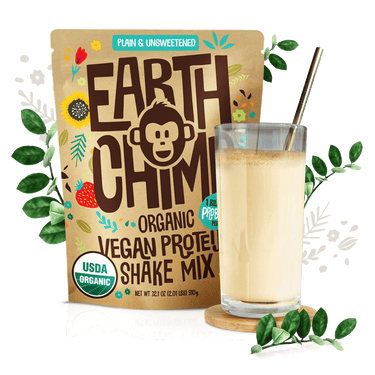
EarthChimp vegan protein powder is a great option if you want something delicious, plant-based, and environmentally conscious. It blends smoothly and fits easily into everyday routines, whether you use it regularly or only when you need a quick boost.
With the right storage habits, you can enjoy the full experience of your protein powder and keep it at its best for as long as possible.
FAQs About Freezing Protein Powder
Can You Freeze Protein Powder in a Smoothie Pack?
Yes, you can freeze protein powder when it is part of a smoothie pack. Once the powder is blended or combined with fruits and liquids, the texture changes caused by freezing are far less noticeable. When you are ready to use it, simply blend the frozen ingredients until smooth.
How Do I Store My Protein Powder?
Store protein powder in an airtight container kept in a cool, dry place. This prevents moisture from getting inside and helps maintain its texture and flavor. Avoid freezing or refrigerating dry powder because temperature changes can introduce condensation and lead to clumping.
What Is the Best Way to Freeze Protein Powder?
Freezing protein powder on its own is not recommended because cold temperatures and thawing can introduce moisture and affect the powder’s texture. If freezing is unavoidable, use an airtight container and include a moisture-absorbing packet to reduce condensation. Still, traditional dry storage methods will keep your powder in better condition than freezing.
When Should You Throw Away Protein Powder?
Discard protein powder if it develops an unusual smell, tastes off, changes color, or forms significant clumps from moisture. These are signs that the powder is no longer in good condition. While the printed expiration date is a useful guide, the powder’s smell, appearance, and texture are the best indicators of freshness.
Does Room Temperature Affect Protein Powder’s Shelf Life?
Yes, storing protein powder at a stable room temperature is ideal for preserving quality. Heat, humidity, and sudden temperature changes can introduce moisture, which may lead to clumping or reduced freshness. Keeping your powder in a cool, dry place with minimal temperature fluctuations helps maintain its shelf life and mixability.
References:
-
https://www.verywellfit.com/does-protein-powder-expire-7557072
-
https://www.healthline.com/nutrition/whey-vs-plant-protein
-
https://www.eatingwell.com/is-it-safe-to-take-expired-protein-powder-8363048
-
https://pubmed.ncbi.nlm.nih.gov/17963151/
Disclaimer:
This statement has not been evaluated by the Food and Drug Administration. This product is not intended to diagnose, treat, cure, or prevent any disease.