
Muscle loss can occur during weight loss with Ozempic. Reduced appetite often leads to lower food and protein intake. This can make it harder to preserve muscle.
Supporting protein intake is important for maintaining muscle while taking GLP-1 medications.
Key Takeaways
-
People lose muscle mass on Ozempic: Appetite suppression can lead to lower protein intake during weight loss, which may contribute to muscle loss.
-
Eating less changes how nutrition needs to work: Smaller meals and reduced interest in food can quietly lower protein intake, making each eating opportunity more important than before.
-
Protein works best in practical, low-effort formats: Small portions, smoothies, shakes, and drinkable options are often easier to tolerate than heavy meals when appetite is low.
-
Consistency matters more than perfection: Simple habits that fit your appetite are easier to maintain than strict plans or tracking, and steady protein intake supports muscle over time.
-
Taste and convenience drive long-term success: Protein that tastes good and feels easy to consume is far more likely to be used consistently than options that feel heavy, chalky, or hard to finish.
Ozempic and Other GLP-1s Can Lead to Muscle Loss
Yes, muscle loss can happen while taking GLP-1 medications like Ozempic. This is why many people notice physical changes during weight loss.
As body weight drops, some lean mass is often lost alongside fat. This makes muscle preservation an important consideration during treatment.
But here's the key point: This doesn't mean the medication directly breaks down muscle tissue. Instead, these changes reflect how the body responds to weight loss itself. This pattern is seen across many forms of weight loss, not just with GLP-1 medications.
Why Muscle Loss Can Happen on GLP-1s

Muscle loss on GLP-1s is not about the medication itself. It happens when eating patterns change faster than daily nutrition habits adjust.
Appetite drops. Meals shrink. Weight comes off quickly. If muscle-supporting habits don't keep pace, lean mass can be part of what's lost.
Appetite Changes Naturally Lead to Smaller Meals
GLP-1s make it easier to feel full sooner. Meals end earlier. Snacks lose their appeal. Portions get smaller without any deliberate effort to restrict food.
Over time, these small changes reduce total intake. When meals consistently shrink, the body receives fewer nutrients unless meals are planned more intentionally.
Rapid Weight Loss Shifts What the Body Pulls From
Weight loss rarely comes only from fat. When weight drops quickly, the body draws from multiple sources to meet its needs.
Muscle can be part of that process if energy and nutrients are not consistently available. The faster weight changes, the more important it becomes to support the body with steady, adequate nutrition rather than relying on appetite alone.
Protein Intake Often Falls Without Being Obvious
Protein intake often drops quietly on GLP-1s. Smaller meals naturally include less protein. Foods that are protein-rich can feel too heavy or filling when appetite is low.
Convenience becomes the deciding factor. This isn't a lack of effort or awareness. It's just what happens when you're eating less.
When protein is hard to eat, hard to tolerate, or hard to prepare, it's often the first thing people unintentionally cut back on.
Practical Ways to Get Enough Protein on Ozempic or GLP-1s

When appetite is low, the goal isn't to force big meals. It's to make protein easier to eat, easier to tolerate, and easier to repeat day after day.
Small adjustments work better than drastic changes. You don't need a complete overhaul.
1. Think Small, Not Heavy
Large, protein-heavy meals can feel overwhelming on GLP-1s. Small meals with high protein are often easier to finish and easier to repeat throughout the day.
Focusing on protein in manageable amounts works better than relying on one large meal. Treat protein as a steady habit rather than a single task to "get through."
This approach fits naturally with reduced appetite and helps keep intake consistent without feeling stuffed.
2. Smoothies and Shakes Work Well on Low-Appetite Days
Liquids are often easier to handle than solid food when nothing sounds appealing. Smoothies and shakes go down more easily and don't trigger the same fullness response as dense meals.
They require less effort. They allow flexibility with flavor and texture. And they can be sipped slowly instead of eaten all at once.
On days when eating feels like a chore, drinking protein often feels more realistic than sitting down to a full plate. Sometimes a shake is all you need, and that's okay.
3. Protein Powder Is a Tool, Not a Requirement
Protein powder isn't mandatory. It's simply a practical option when food volume is limited or time is short.
It adds protein without adding bulk. It mixes easily with water or light meals. And it fits into routines without cooking or prep.
When appetite is low, taste and tolerance matter. Clean ingredients and a flavor you enjoy make consistency much easier. The best option is the one you'll actually use.
Getting enough protein on GLP-1s isn't about perfection. It's about choosing formats that feel doable when appetite is unpredictable.
Making Protein Easier When Food Doesn’t Sound Appealing
Low appetite changes how food feels. What used to be fine can suddenly feel too heavy, too thick, or just unappealing. If you've experienced this, you're not imagining it.
When eating is inconsistent, protein works best when it fits your preferences instead of fighting them.
Taste and Texture Matter More Than You Think
On GLP-1s, appetite sensitivity is common. Flavor and texture often play a bigger role in whether protein feels easy to consume.
Chalky powders, thick shakes, or dense protein foods can feel hard to get through, even when you know they're "good for you."
Preference-driven choices improve consistency. Protein that goes down easily supports routine far better than protein you avoid.
Low-Effort Protein Habits That Actually Stick
Consistency comes from simplicity, not tracking. Small habits are easier to repeat than strict plans.
Keep protein options visible. Choose formats that require little preparation. Pair protein with foods you already tolerate.
These small steps make nutrition feel manageable. When food doesn't sound appealing, the goal isn't to eat perfectly. It's to keep things steady without stressing yourself out.
Supporting Muscle Without Overcomplicating Food
GLP-1 medications do not directly cause muscle loss, but reduced food intake changes nutritional priorities. When meals are smaller, each choice carries more weight, which is why protein is especially important on GLP-1 plans.
Small meals, easy formats, and foods that are easy to digest make consistency possible. On low-appetite days, convenience often matters more than planning. Light and drinkable options can work better than heavy plates when energy and appetite are limited.
The goal isn't perfection. It's finding a rhythm that works for you.
A Note From EarthChimp
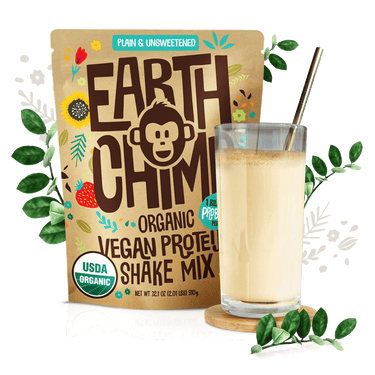
On days when appetite is low, adding protein can feel challenging. EarthChimp’s smooth vegan protein powder is designed to mix easily with water or blend into light smoothies without added heaviness. With clean ingredients and an easy-to-drink texture, it can be a practical option for supporting protein intake when meals are smaller.

Frequently Asked Questions
Does Resistance Training Help Maintain Muscle on Ozempic?
Yes. Resistance training, such as lifting weights or using resistance bands, helps signal the body to maintain muscle during weight loss. Even short, simple sessions can support muscle strength when paired with adequate nutrition.
Why Is Protein More Important When People Lose Weight on GLP-1s?
When people lose weight on GLP-1s, they usually eat less overall. Smaller meals can make it harder to meet protein needs, which increases the risk of losing muscle. Prioritizing protein helps support muscle mass and overall strength while total intake is lower.
How Does Diet or Exercise Help Reduce Muscle Loss on Ozempic?
Both diet and exercise support muscle during weight loss. Adequate protein intake helps meet daily needs when appetite is lower, and strength-based movement signals the body to preserve muscle. With consistent habits, people can still build muscle on Ozempic, especially by pairing protein intake with regular resistance or strength activities.
Should I Talk to a Healthcare Provider About Muscle Loss on Ozempic?
If you’re concerned about mass loss, muscle strength, or changes in blood sugar, it’s a good idea to speak with a healthcare provider. They can help you align diet and exercise choices with your health goals and adjust your approach as needed.
References:
-
https://www.healthline.com/health-news/ozempic-muscle-mass-loss
-
https://www.drugs.com/medical-answers/ozempic-cause-muscle-loss-how-you-prevent-3578660/
Disclaimer:
This statement has not been evaluated by the Food and Drug Administration. This product is not intended to diagnose, treat, cure, or prevent any disease.