
Protein intake is important on GLP-1 medications because appetite and portion size are reduced. When eating less supports weight loss, there are fewer opportunities to get essential nutrients.
Protein helps make smaller meals more purposeful. It's often discussed for its role in everyday support, including helping preserve muscle mass during periods of reduced intake.
Key Takeaways
-
Protein matters more when you're eating less: GLP-1 medications reduce appetite and portion size, which means fewer meals and fewer chances to get nutrition. Protein helps make smaller eating moments count.
-
Eating patterns change before nutrition habits catch up: Earlier fullness, smaller portions, and skipped snacks are common on GLP-1s. These shifts make food choices more intentional, not more restrictive.
-
Protein helps support muscle during weight loss: When eating less, the body may lose muscle along with fat. Adequate protein intake helps provide the support muscle needs while weight is changing.
-
Nutrient density becomes a priority: When overall intake drops, calories shrink, but basic nutritional needs remain. Foods that deliver more nutrition per bite or sip become more relevant.
-
Protein fits naturally into low-appetite meals: Protein works well in small portions, shakes, smoothies, and light meals, making it easier to include without forcing larger servings or strict plans.
Why Protein Is Important on GLP-1s
GLP-1 medications reduce appetite and portion size. As a result, many people eat less overall during weight loss. That shift is why protein intake becomes more important.
When eating less, there are simply fewer chances to get nutrition throughout the day. Meals get smaller. Snacks happen less often. Some eating occasions disappear entirely.
In this context, food choices need to be more intentional.
Protein helps make limited eating opportunities more effective. It does this without requiring larger portions or more frequent meals. That's the core reason protein comes up so often for people using GLP-1 medications, including Ozempic.
Appetite changes reduce how much is eaten. So what you choose to eat matters more than ever.
GLP-1s Change the Way People Eat

When taking GLP-1 medications, the most noticeable change is how hunger and fullness show up throughout the day. These effects are not about eating less through effort. They change how eating feels.
-
Earlier fullness: Satisfaction often arrives sooner. Meals may end after smaller amounts of food.
-
Smaller portions: Because fullness sets in earlier, portions naturally shrink without a sense of restriction.
-
Fewer meals and snacks: As appetite changes, the urge to snack often fades. Some meals or snacks are delayed or skipped simply because hunger does not appear.
-
Reduced interest in heavy meals: Foods that feel dense or oversized may lose their appeal. Lighter options often feel more manageable when appetite is lower.
These changes are common for GLP-1 users. If this sounds familiar, you're not alone. Eating becomes less frequent. Portions adjust on their own. Daily patterns follow what feels comfortable rather than what used to be routine.
Eating Less Makes Nutrient Density More Important
Eating less changes how nutrition works. When overall intake drops, there are fewer chances to get the nutrients the body relies on day to day.
That shift makes everyday food choices more important, even when total calories are lower.
-
Fewer meals mean fewer nutrient opportunities: With fewer eating occasions, each meal carries more responsibility. Finishing early or skipping a snack leaves less room to meet basic nutritional needs.
-
Calories shrink, but needs remain: Lower intake does not eliminate the body's need for key macronutrients. As intake declines, the margin for low-value calories becomes smaller.
-
Nutrient density matters per bite or sip: When portions are smaller, foods that deliver more nutritional value in less volume become more relevant for maintaining overall health and steady weight management.
The bottom line? Every bite counts a little more now.
Protein Supports Muscle When Using GLP-1 Medications
When people lose weight on GLP-1 medications, they don't just lose fat. Some muscle can be lost too.
This happens because eating less overall makes it harder for the body to get enough protein. Muscles need protein to stay strong and be maintained.
Protein helps by giving the body what it needs to hold on to muscle while weight is coming down. When protein intake is too low, the body is more likely to break down muscle along with fat.
This is why protein becomes more important when appetite is reduced and meals are smaller.
In simple terms, protein helps protect muscle during weight loss. When you're eating less on GLP-1 medications, prioritizing protein helps support strength, movement, and everyday physical function as your body adjusts to lower intake. Think of it as giving your body a reason to keep the muscle you have.
Protein Works Well With Small, Low-Appetite Meals

Protein fits well into smaller meals because it can be included without increasing portion size or effort. This isn't about eating more. It's about choosing high-quality protein options that work when appetite is low, meals feel optional, and eating needs to stay simple.
Common ways protein fits into low-appetite meals include:
-
Protein shakes that can be sipped slowly and finished at a comfortable pace
-
Smoothies where protein blends easily with fruit or other light ingredients
-
Simple add-ins using familiar protein sources mixed into foods already being eaten
-
Light meals built around plant-based protein, which may feel easier in taste and texture
-
Small portions that support protein intake without forcing volume
These formats align with real eating patterns on GLP-1s. They make it easier to include protein without relying on larger meals or structured plans.
You can also explore our protein snack recipe ideas that fit well for GLP-1 users when appetite is limited.
Protein Supports Everyday Function When Intake Is Reduced
When eating less, daily physical demands can feel different. Including adequate protein often helps everyday activities feel more manageable. It supports the body used for normal movement and routine tasks.
Protein supports things like:
-
Daily movement: Walking, standing, and moving through the day can feel steadier when meals include protein.
-
Routine physical tasks: Carrying groceries, climbing stairs, or staying active at home relies on muscle as functional tissue.
-
General energy and recovery: When intake is lower, protein may help the body feel more stable between meals and better equipped to handle daily demands.
This isn't about performance or appearance. Muscle here is functional tissue that helps you move, lift, and get through your day. It's about feeling like yourself, even when you're eating less.
That's why conversations around protein intake for GLP-1 users often focus on satiety and steadiness when eating less.
Keeping Protein Simple When Appetite Changes
GLP-1 medications change how much and how often people eat. With smaller meals and fewer eating opportunities, choosing high-quality protein becomes a practical way to get more nutrition without adding volume.
There is no single right approach. Strict rules or perfect meals are not required. You don't have to overthink this.
Rather than focusing on fear-driven concerns about muscle loss, the goal is to choose protein options that fit appetite and routine.
Protein works well because it is flexible. Shakes, smoothies, and simple add-ins make it easier to include protein when meals are smaller and appetite is unpredictable. Find what works for you and stick with it.
A Note From EarthChimp
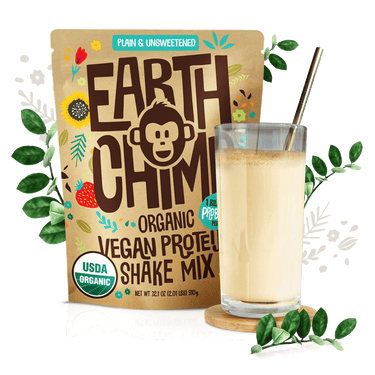
On low-appetite days, adding protein can feel challenging. EarthChimp's vegan protein powder is designed to mix easily with water or blend into light smoothies without added heaviness.
With clean ingredients and an easy-to-drink texture, it can be a practical option for supporting protein intake when meals are smaller.

FAQs About Eating Protein for GLP-1 Users
Why Is Protein Often Recommended for GLP-1 Users?
Protein is often discussed for GLP-1 users because eating patterns change when appetite is reduced. With fewer meals and smaller portions, protein becomes a practical way to make limited eating opportunities more intentional.
It's not a rule to follow. Protein often comes up because it helps food choices feel more purposeful when intake drops.
Does Eating Less on GLP-1 Increase the Risk of Muscle Loss?
Eating less overall can raise concerns about the risk of muscle loss, especially during rapid weight loss. Muscle mass during weight loss is usually focused on reduced calorie intake rather than on the medication itself.
Do GLP-1 Medications Break Down Muscle Directly?
No. GLP-1 medications do not directly break down muscle or act on muscle tissue through the GLP-1 receptor. Their primary role is appetite regulation.
Any changes people notice are linked to eating less overall, not to the medication targeting the muscle.
Do GLP-1 Users Need Different Protein Goals Than Others?
There isn't a single set of protein goals that applies to everyone on GLP-1. What's considered optimal protein can vary depending on how much someone is eating and what feels comfortable.
Rather than focusing on how much protein, many people focus on whether protein fits naturally into smaller meals.
References:
-
https://www.cms.org/unlocking-glp-1-success-why-protein-is-your-secret-weapon/
-
https://teamready.com/blogs/news/glp-1-medications-protein-why-smart-snacking-matters-for-sustainable-weight-loss
-
https://www.sportsmd.com/2025/11/21/the-importance-of-a-high-protein-diet-while-taking-glp-1-weight-loss-medications/
-
https://blog.myfitnesspal.com/protein-intake-for-glp-1-users/
-
https://www.uchealth.org/today/nutrition-vital-when-taking-glp-1-weight-loss-drugs/
-
https://www.omadahealth.com/resource-center/how-to-combat-muscle-loss-while-taking-glp-1s#:~:text=GLP%2D1s%20are%20deemed%20a,weight%20management%20with%20GLP%2D1s.
Disclaimer:
This statement has not been evaluated by the Food and Drug Administration. This product is not intended to diagnose, treat, cure, or prevent any disease.