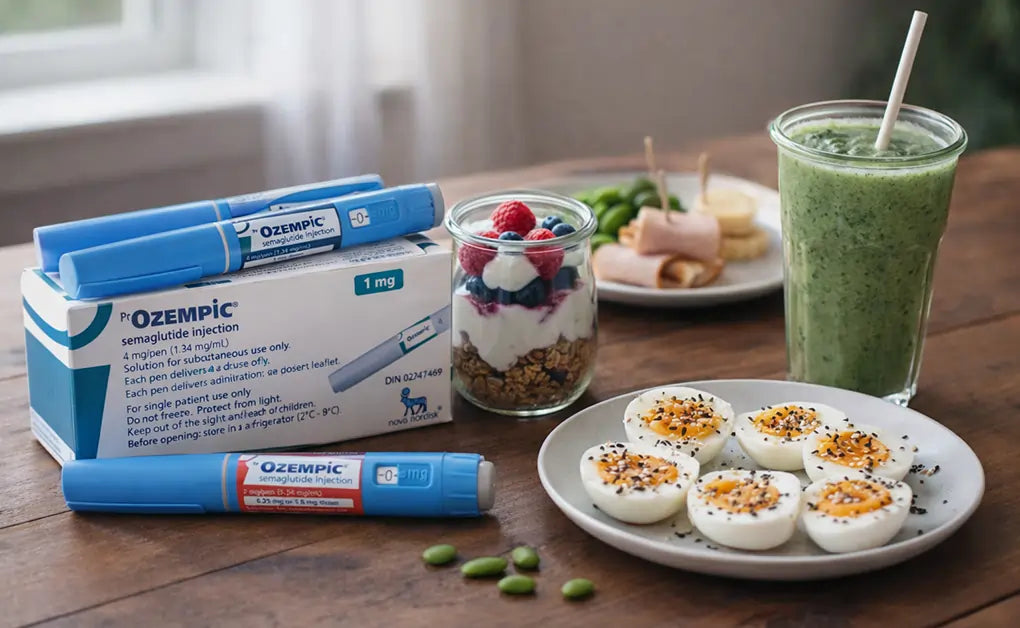
The best protein snacks for GLP-1 users are small, easy-to-digest options that provide protein without large volume.
Whole foods, make-ahead snacks, and smoothies can all work when portions are kept modest and ingredients are simple. Choosing protein-rich options helps support intake without discomfort when appetite is reduced.
Key Takeaways
-
Smaller portions tend to work better on GLP-1 medications: Because digestion is slower and fullness sets in earlier, compact servings are often easier to tolerate than full-sized snacks or meals.
-
Protein matters, but volume matters just as much: Choosing protein-rich options helps support intake when appetite is reduced, but keeping snacks low in volume helps avoid discomfort.
-
Different formats work on different days: Whole foods, make-ahead snacks, and smoothies all have a place, depending on appetite, energy levels, and how your body feels that day.
-
Smoothies can be helpful when chewing feels like too much: Blended snacks allow you to sip slowly, adjust thickness, and pause as needed, which can make protein intake feel more manageable.
-
Flexibility is more useful than rigid rules: Appetite and tolerance can change from day to day, so having adaptable options and adjusting portions as needed is often more sustainable than following a strict routine.
Simple Whole-Food Snacks With Minimal Prep
On days when you don't feel very hungry or don't have much energy, simple whole-food options can make smaller meals easier to manage. Sometimes the easiest option is the best one.
Because GLP-1 medications can slow digestion and affect appetite, choosing compact, familiar options within high-protein snacks often feels more comfortable and predictable in the body.
What Makes a Good Whole-Food Snack on GLP-1
These snacks tend to work best when they:
-
Are protein-rich without being bulky
-
Have minimal added ingredients
-
Make it easy to stop eating once fullness sets in
Think simple, compact, and familiar.
Simple Whole-Food Snack Options
-
Edamame (steamed or lightly salted)
-
Chickpeas (boiled or lightly seasoned)
-
Boiled eggs
-
Tofu cubes (plain or lightly marinated)
-
Roasted soybeans
-
Cottage cheese (small portions)
-
Plain yogurt or dairy-free yogurt (small portions)
These options can be eaten on their own, lightly seasoned, or paired with something simple like herbs or spices without turning them into a full recipe.
Make-Ahead Snacks Like Bars, Muffins, Cups, and Oats

For anyone who enjoys prepping snacks ahead of time and wants something more structured or dessert-like. In smaller servings, these can fit into high-protein small meals.
1. No-Bake Choco PB Protein Bars
A protein-forward snack made with simple ingredients, designed to work well with smaller appetites.
Ingredients
-
1 cup oatmeal
-
2 scoops of chocolate protein powder
-
Peanut butter
-
Chia seeds
-
Cinnamon
-
Honey
Ingredient Flexibility & GLP-1 Notes
This recipe is intentionally flexible. People using GLP-1 medications often tolerate foods differently, so ingredients and quantities can be adjusted based on appetite, fullness, and personal comfort.
-
Oats and chia seeds provide fiber, but can feel filling quickly. Smaller bars or reduced amounts may be easier to tolerate.
-
Peanut butter adds satiety and flavor, but it's calorie-dense, so lighter spreads often work better.
-
Sweeteners like honey can be adjusted to taste, especially if you prefer a less sweet or lighter snack.
-
Protein powder helps make smaller portions more nutritionally meaningful when appetite is low.
Listening to your body and adjusting portions is key.
Recommended portion: Smaller bars or half portions are often better tolerated due to early fullness.
2. Strawberry Protein Bars
A quick, protein-rich snack with a fruity flavor, designed for lighter portions and flexible ingredients.
Ingredients
-
1 cup oat flour (gluten-free if needed)
-
¼ cup vanilla protein powder
-
1 tsp ground cinnamon
-
¼ cup strawberry powder
-
½ cup nut or seed butter
-
⅓ cup date syrup, honey, or maple syrup
-
Melted dark chocolate (for topping)
-
Goji berries (optional topping)
Ingredient Flexibility & GLP-1 Notes
-
Oat flour and nut butters provide structure and satiety, but can feel filling when portions are large. Smaller bars or lighter spreads are often easier to tolerate.
-
Sweeteners can be adjusted to taste, especially if you prefer a less-sweet snack or notice sugar sensitivity.
-
Protein powder helps make smaller portions more nutritionally satisfying when appetite is reduced.
-
Toppings like chocolate or dried fruit are best used sparingly, as richer add-ons can make the dish feel heavier.
Recommended Portion: Smaller bars or half portions tend to work best, especially when appetite is lower or fullness sets in quickly.
3. Carrot Cake Protein Cups
A creamy, no-bake dessert with warm spices and a protein boost, best enjoyed in smaller portions.
Ingredients
Base layer
-
¾ cup almond butter
-
¼ cup maple syrup
-
Dash of vanilla extract
-
⅓ cup vanilla protein powder
-
½ tsp ground cinnamon
-
Dash of nutmeg
-
Dash of ground cloves
-
¼ cup shredded carrots
Top layer
-
¾ cup coconut yogurt
-
Dash of maple syrup (optional)
-
1 scoop vanilla protein powder
-
¼ tsp ground cinnamon
-
Dash of nutmeg
-
2–3 tbsp shredded carrots (optional)
Toppings
-
Shredded carrots
-
Chopped pecans
-
Cinnamon (optional)
Ingredient Flexibility & GLP-1 Notes
This recipe falls into the richer dessert category and works best when portions are kept small and ingredients are adjusted based on tolerance.
-
Nut butters and coconut-based yogurt create a creamy texture but are calorie- and fat-dense. Smaller cups or thinner layers can help keep the dessert feeling lighter.
-
Sweeteners like maple syrup can be adjusted or used sparingly, especially if you prefer a less-sweet finish.
-
Vanilla protein powder helps make small servings more satisfying without adding bulk.
-
Toppings such as nuts add texture but also extra richness, so they're best used sparingly or skipped if heaviness is an issue.
-
Spices and shredded carrots add flavor and structure without significantly increasing volume.
Recommended portion: One small cup at a time is usually better tolerated, especially as a dessert rather than a standalone snack.
4. Choco Banana Oat Muffins
A soft, baked snack that combines oats, banana, and protein, best enjoyed in smaller portions.
Ingredients
-
¾ cup oats
-
2 ripe bananas
-
1 cup chocolate protein powder
-
½ cup plant-based milk
-
½ tsp baking powder
-
1 egg or flax egg
Ingredient Flexibility & GLP-1 Notes
This baked recipe is more filling than no-bake snacks, so small adjustments can make it easier to tolerate.
-
Oats and bananas provide structure and natural sweetness. Smaller muffins or half portions often work better.
-
Using very ripe bananas increases sweetness and softness but also may affect carb content, so portion size matters.
-
Protein powder helps improve nutritional density, making smaller servings more satisfying when appetite is reduced.
-
Plant-based milk keeps the batter light; almond milk is often easier to tolerate than oat milk.
-
A flax egg adds fiber, which may increase fullness, while a regular egg creates a slightly lighter texture.
Recommended portion: Half a muffin at a time is often better tolerated, especially when appetite is lower or fullness sets in quickly.
5. Protein Oats in a Jar
A simple, make-ahead oat snack with a creamy texture and added protein, best enjoyed in smaller portions.
Ingredients
-
1 cup oats
-
½ cup plant-based yogurt
-
1 scoop of chocolate protein powder
-
¼ cup coconut milk or other non-dairy milk
-
½ banana, sliced
-
A handful of vegan chocolate chips
-
A dash of pumpkin spice
Ingredient Flexibility & GLP-1 Notes
This recipe is easy to adjust based on appetite and tolerance, which can vary from day to day on GLP-1 medications.
-
Oats provide structure and sustained energy, but can feel very filling in larger amounts. Smaller portions or splitting the jar into two servings may be easier to tolerate.
-
Yogurt and coconut milk add creaminess and volume. Lighter plant-based options can help reduce heaviness.
-
Banana and chocolate chips add sweetness but also increase carb density, so they can be scaled back if you prefer a lighter snack.
-
Protein powder helps make smaller portions more satisfying when appetite is reduced.
-
Spices like pumpkin spice add flavor without adding volume or heaviness.
Recommended portion: About half a jar at a time is often better tolerated, especially when appetite is low or fullness sets in quickly.
Smoothies & Blended Snacks

Blended snacks can give you more control over volume and thickness. This matters when gastric emptying is slower.
You can take a few sips, pause, and come back later. No pressure to finish it all at once. This makes smoothies especially helpful on low-energy or low-appetite days.
1. Banana Cinnamon Smoothie
A lightly spiced, protein-forward smoothie with a creamy texture, designed to be easy to sip and easy to adjust.
Ingredients
-
8 oz pea milk
-
½ cup vanilla vegan Greek yogurt
-
1 frozen banana
-
1 tbsp cinnamon
-
2 scoops vanilla protein powder
Ingredient Flexibility & GLP-1 Notes
Smoothies are highly adjustable. This makes them one of the most GLP-1-friendly snack formats when volume and texture are kept in check.
-
Liquid bases like pea milk help keep the smoothie light. Thinner liquids tend to feel easier to drink than very thick blends.
-
Yogurt adds creaminess and protein but also increases thickness, so reducing the amount can help if fullness sets in quickly.
-
Banana adds natural sweetness and body. Using a smaller portion or fewer frozen pieces can keep the smoothie from feeling too heavy.
-
Protein powder increases nutritional value in a small volume, but the amount can be adjusted based on tolerance.
-
Cinnamon adds flavor without bulk, but strong spices can be scaled back if your stomach feels sensitive.
Recommended portion: Sip slowly and stop early. This works best as a small smoothie rather than a large meal replacement.
2. Green Protein Smoothie
A light, refreshing smoothie with fruit, greens, and protein, designed to be easy to sip and gentle on the appetite.
Ingredients
-
1 frozen banana
-
½ cup frozen peaches
-
A handful of fresh spinach
-
Optional: a pinch of fresh or ground ginger
-
1 cup plant-based milk (soy, oat, or almond)
-
1 scoop vanilla protein powder
Ingredient Flexibility & GLP-1 Notes
This smoothie is naturally light and adaptable. It's a good option when appetite is low but nutrition still matters.
-
Frozen fruit adds sweetness and thickness. Reducing the banana or peach portion can help keep the smoothie lighter.
-
Leafy greens like spinach add nutrients without much volume and are usually easy to tolerate when blended well.
-
Plant-based milk affects thickness and fullness. Thinner options often feel easier to sip than creamier ones.
-
Protein powder helps make a small smoothie more satisfying, and the amount can be adjusted based on tolerance.
-
Ginger is optional and adds zing, but it can be skipped or reduced if strong flavors feel uncomfortable.
Recommended portion: Sip slowly and stop when comfortably full. This works best as a small, snack-sized smoothie rather than a large blended meal.
3. Strawberry Mango Protein Smoothie
A bright, fruit-forward smoothie with protein, designed to be refreshing, easy to sip, and adjustable based on appetite.
Ingredients
-
1 cup strawberries
-
1 cup mango
-
1 cup almond milk
-
A handful of aloe
-
2 spoon scoops Greek yogurt (or dairy-free yogurt)
-
2 scoops vanilla protein powder
Ingredient Flexibility & GLP-1 Notes
Fruit-based smoothies are refreshing but can become heavy if volume and sweetness stack up, so small adjustments go a long way.
-
Mango and strawberries add natural sweetness and thickness. Reducing one of the fruits can help keep the smoothie lighter and easier to tolerate.
-
Yogurt adds creaminess and protein but also increases fullness, so the amount can be scaled back if appetite is low.
-
Almond milk keeps the base light. Creamier plant milks may make the smoothie more filling.
-
Protein powder helps make a smaller smoothie more satisfying without adding extra volume.
-
Aloe and optional add-ins should be kept minimal, as too many extras can increase digestive load.
Recommended portion: Sip slowly and stop early. This works best as a small, snack-sized smoothie rather than a large blended meal.
4. Blueberry Almond Butter Smoothie
A creamy, fruit-forward smoothie with protein and healthy fats, best enjoyed slowly in smaller portions.
Ingredients
-
1 ripe banana
-
2 cups blueberries (fresh or frozen)
-
1 spoon almond butter (or sunflower butter for nut-free)
-
2 scoops vanilla protein powder
-
1 cup plant-based milk (more if needed)
Ingredient Flexibility & GLP-1 Notes
This smoothie combines fruit and fats, which can feel satisfying but also filling, so balance and volume matter.
-
Blueberries add antioxidants and thickness, but using a slightly smaller amount can help keep the smoothie lighter.
-
Banana adds sweetness and body. Reducing the portion can lower carb density while keeping flavor.
-
Nut or seed butter adds richness and satiety, but even small amounts can increase fullness, so a light spoonful is usually enough.
-
Protein powder helps make a smaller smoothie more nutritionally complete without adding bulk.
-
Plant-based milk controls consistency. Thinner blends are often easier to sip than very thick smoothies.
Recommended portion: Sip slowly and pause often. This works best as a snack-sized smoothie rather than a large blended meal.
Blended snacks offer flexibility on low-appetite days and can be adjusted to match your tolerance. You can also explore the best protein shakes for Ozempic users and other GLP-1 medications for similar drinkable options.
Portion Size & Volume Awareness
When you're on GLP-1 medications, how much food you eat and how quickly you feel full often matter more than the food itself.
GLP-1s slow digestion, so food tends to sit in the stomach longer. Because of that, options that are large, bulky, or very filling can feel uncomfortable, even if they're made with healthy ingredients.
This is why smaller portions usually work better than full-sized servings, especially when choosing foods that are easier to tolerate and easy to digest.
A few simple things to keep in mind:
-
Smaller portions are often easier to tolerate
-
Compact snacks tend to feel better than bulky ones
-
Even nutritious foods can feel heavy if the volume is too high
You don't need to measure or track everything. Paying attention to how your body responds and stopping earlier often works better. Your body will tell you when it's had enough. Trust it.
Many people find that half portions or snack-sized servings make it easier to support daily protein goals without pushing past comfortable fullness.
When to Snack and How Often

Appetite cues can vary. Spreading food out more evenly throughout the day can help support energy and protein intake without overwhelming your digestion.
Here's an example of how snack timing can look:
-
Mid-morning, a few hours after breakfast
-
Mid-afternoon, a few hours after lunch
This creates a few lighter eating moments instead of relying on big meals. It can also help prevent feeling overly full or uncomfortable later on.
Keep in mind: There's no perfect schedule. Some days you might want more snacks, other days fewer. That's okay. Go with what feels right. The goal is to use snacks as gentle support, not something you force when you're not hungry.
Choosing Protein Snacks That Work on GLP-1
Snacking while using GLP-1 medications doesn't have to follow strict rules or look the same every day. What matters most is having options that feel comfortable, flexible, and realistic for where you're at.
Some days, simple whole foods will feel best. On other days, a make-ahead option or a smoothie may be easier to manage. There's no wrong answer here.
Paying attention to portion size, volume, and how your body responds can help you make choices that support protein intake without discomfort and stay aligned with your nutrition goals.
There's no perfect snack or ideal routine. Everyone responds differently. If you're ever unsure, a dietitian can help you think through options that fit your appetite, preferences, and overall routine.
The best snack is the one you can actually eat and enjoy. Keep it simple.
A Note From EarthChimp

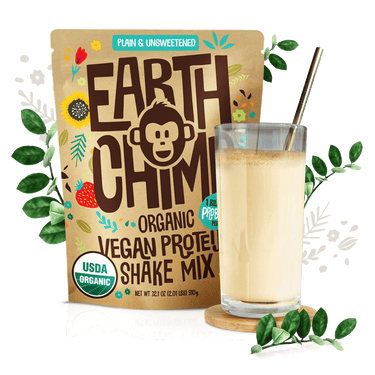
A vegan protein powder like EarthChimp can be one of the easiest ways to round out snacks or smoothies without adding much volume.
Blended into oats, shakes, or simple recipes, it helps make smaller portions more nutritionally complete while staying easy to adjust based on how you feel.
Frequently Asked Questions
What Makes a Snack Work Better When Using GLP-1 Medications?
A snack tends to work better on GLP-1 medications when it is small in volume, easy to digest, and includes protein. Because digestion is slower, compact options help you feel full and satisfied without discomfort, while still supporting overall health and daily nutrition needs.
Can Protein Powder Be Used as Part of Snacks on GLP-1?
Yes. Protein powder can be a convenient way to help you meet your protein needs when your appetite is reduced. It works well in smoothies, oats, or simple recipes, helping smaller portions contribute toward your protein goals without adding much volume.
What Should I Do If Snacks Consistently Make Me Feel Too Full or Nauseous?
If snacks regularly make you feel uncomfortable, try reducing portion sizes, choosing easier-to-digest options, or alternating between solid foods and smoothies. If you're unsure which snack ideas work best for you, a dietitian can help tailor options to your tolerance and goals.
Are Smoothies or Solid Snacks Better on GLP-1 Medications?
There isn't one option that works best for everyone. Some people tolerate solid foods well, while others find smoothies easier when their appetite is reduced. The best choice depends on how your body responds and what feels most comfortable for you.
References:
-
https://www.swgeneral.com/blog/2025/august/glp-1-medications-and-gastroparesis-understandin/
-
https://www.health.harvard.edu/nutrition/chia-seed-benefits-what-you-need-to-know
-
https://www.goodrx.com/well-being/diet-nutrition/is-coconut-milk-yogurt-good-benefits?srsltid=AfmBOorrcs3JiPA2YnG878eT-ey8VcpZQfBHRamJHqkxQBiljwUX-eGR
-
https://www.healthline.com/nutrition/10-proven-benefits-of-blueberries
-
https://pmc.ncbi.nlm.nih.gov/articles/PMC11620716/
Disclaimer:
This statement has not been evaluated by the Food and Drug Administration. This product is not intended to diagnose, treat, cure, or prevent any disease.