
To get enough protein on Ozempic, focus on smaller, lighter protein choices instead of bigger meals.
Start meals with protein before fullness hits. Use shakes or blended options when appetite is low. Spread protein across the day. Consistency and format matter more than eating large portions.
Key Takeaways
-
Protein-first eating helps before fullness sets in: Starting meals with protein increases the chances of eating it while appetite is still present, even when portions are small.
-
Lighter protein formats are easier to tolerate: Shakes, smoothies, and blended options often work better than dense foods when appetite is low, making protein easier to finish without discomfort.
-
Spreading protein across the day works better than one big meal: Smaller protein moments throughout the day reduce pressure, support consistency, and make protein intake more sustainable during weight loss.
-
Consistency matters more than perfect numbers: Protein intake doesn’t need to be exact every day. Prioritizing protein within your current appetite helps maintain intake over time without turning eating into a daily calculation.
Practical Ways to Get More Protein Without Bigger Meals

GLP-1 medications reduce appetite and increase fullness. This makes large meals unrealistic. The practical solution is adjusting how protein fits into smaller meals and lower food intake, so eating enough protein stays achievable.
1. Start Meals With Protein Before You Feel Full
On Ozempic, fullness often arrives quickly. If protein comes later in a meal, it's easy to skip it unintentionally. Starting with protein ensures it gets eaten while appetite is still present.
This means eating the protein portion first, before sides or other foods. It's a small shift that makes a real difference.
Why this works:
-
Appetite is strongest at the beginning of a meal
-
Protein gets consumed before fullness sets in
-
Smaller portions still contribute meaningfully to daily protein intake
You don't need a large serving. A modest amount of high-quality protein early in the meal supports consistent protein intake across the day, especially when calorie intake is lower during weight loss.
2. Choose Protein That Feels Light, Not Heavy
Many people taking Ozempic notice that dense or bulky foods feel uncomfortable. Heavy textures can trigger early fullness or make meals harder to finish. Protein that feels lighter is easier to tolerate and more likely to be eaten completely.
Soft, blended, or smooth protein options work better than dry or dense foods. Liquids and semi-liquids move through the stomach more comfortably and require less effort to consume.
Protein options that often feel easier include:
-
Protein shakes or smoothies
-
Protein powders mixed into simple foods or drinks
-
Soft protein foods that don't feel bulky
Taste and texture matter more on GLP-1 medications. If protein feels heavy or unpleasant, it often goes unfinished. If you're leaving food on your plate, it might not be about willpower. It might just be the wrong format.
3. Spread Protein Across the Day Instead of One Big Meal
Trying to meet protein needs in one meal creates unnecessary pressure when appetite is low. On Ozempic, smaller eating moments work better than traditional large meals.
Spreading protein across the day reduces the need to eat large portions at once. Protein can be added in several smaller touchpoints instead of being concentrated into a single meal.
This often looks like:
-
A protein shake or protein-forward option earlier in the day
-
A modest protein-focused meal later
-
A simple protein snack if appetite allows
These smaller additions add up without overwhelming your appetite.
Research on protein distribution shows that spreading protein across meals supports better daily protein utilization. This makes the approach easier to maintain during a weight loss journey. Instead of forcing meals, this pattern fits how Ozempic naturally changes eating patterns. Work with your body, not against it.
What “Enough Protein” Really Means When You’re Eating Less

Enough Protein Is Relative to Your Intake, Not a Perfect Target
With weight-loss medications, appetite can change from day to day. Some days you eat more. Other days, much less. That's completely normal.
What matters is consistency over time, not hitting an exact protein target every single day.
When food intake drops, sufficient protein comes from prioritizing protein within your current appetite. Instead of chasing precision, focus on making protein a regular part of what you eat. This mindset makes it easier to maintain protein intake during significant weight loss.
Why Protein Quality and Format Matter More Than Volume
When appetite is low, volume becomes the limiting factor. Large meals are harder to finish and often go unfinished. This is why protein options that deliver more nutrition in fewer bites work better.
Compact, well-tolerated protein choices support your body even when overall food intake is lower. This is especially important when appetite is unpredictable.
Fewer bites with more nutrition often determine whether you get enough protein or skip it altogether. Sometimes less really is more.
Protein Formats That Work Well on Ozempic
For many Ozempic users, the key is choosing protein formats that feel easy to eat, finish, and repeat.
Shakes and Smoothies When Solid Food Feels Like Too Much
One of the most reliable options for people dealing with the appetite-suppressing effects of Ozempic is liquid protein. Shakes and smoothies are easy to sip, require minimal effort, and tend to feel lighter than solid meals.
Why this format works well:
-
Liquids are easier to tolerate when appetite is low
-
They help boost your protein intake without increasing meal size
-
Taste and texture matter more than macros when appetite is sensitive
For many people, adding a scoop of protein to a smoothie or blended drink is a simple way to boost protein intake without forcing food down. This approach can help you meet your protein needs even on days when solid meals feel unappealing. A shake can be enough. Don't overthink it.
Small Protein-Forward Snacks Between Meals
When eating full meals feels difficult, protein does not have to come only from traditional mealtimes. Small, protein-forward snacks for GLP-1 users can help fill gaps without making you feel like you're "snacking more."
This approach works because:
-
Smaller portions are easier to tolerate
-
Protein can be spread across the day
-
It supports protein intake throughout the day without pressure
These small additions often make the difference between inadequate protein and sufficient protein intake. Convenience and portability matter here. If protein is easy to grab, you're more likely to eat it.
Adding Protein to Foods You’re Already Eating
Another low-effort strategy is incorporating protein into foods you already enjoy. This avoids changing your routine while still helping you hit your protein goals.
Simple ways this shows up:
-
Mixing protein into smoothies, oats, or yogurt
-
Adding protein to coffee or simple recipes
Small adjustments like this often feel more sustainable than big dietary changes. No need to reinvent your entire routine.
Plant-Based Protein on Ozempic

Why Some Plant-Based Proteins Feel Easier to Eat
Many plant-based proteins come from foods like legumes, seeds, and blended plant ingredients. These options often work better when appetite is inconsistent, which is common during rapid weight loss.
Reasons some people prefer plant-based options:
-
Lighter textures that are easier to finish
-
Softer, blended formats that don't feel heavy
-
Flexible portion sizes that fit smaller appetites
When meals feel smaller, protein that feels lighter is more likely to be eaten instead of skipped.
Plant-Based Protein Supplements When Appetite Is Low
Plant-based protein supplements can be especially helpful on days when solid food feels like too much. They are easy to mix, easy to portion, and simple to adjust based on how much you want to eat.
Why this format works:
-
Helps increase protein intake without adding bulk
-
Fits well into lighter meals or drinks
-
Makes protein easier to consume consistently
Protein, regardless of source, helps support overall nutrition when food intake is lower.
A Simpler Way to Get Enough Protein on Ozempic
When you're on GLP-1 medications like Ozempic, getting enough protein is important. But it's not about forcing bigger meals or chasing perfect numbers.
Appetite and fullness change. The most sustainable approach is working with those changes, not against them.
Protein is easier to maintain when it feels light, tastes good, and fits into smaller portions. Spreading protein across the day, choosing formats that are easy to tolerate, and focusing on consistency over perfection all help support protein intake while maintaining a balanced diet.
You don't have to be perfect. You just have to keep showing up.
A Note From EarthChimp

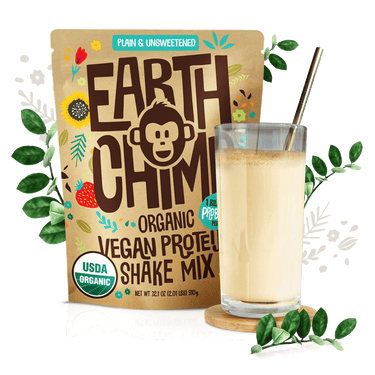
This is where choosing high-quality protein sources can make a difference. A clean, plant-based option like EarthChimp's organic vegan protein powder fits naturally into smaller meals, smoothies, or simple add-ins when solid food feels like too much.
It's made with simple, organic ingredients and no artificial flavors. An easy way to support protein intake when appetite is low.
Frequently Asked Questions
Are Protein Shakes a Good Option on Ozempic?
Yes. Protein shakes work well on Ozempic because they're easy to sip, feel lighter than solid food, and are easier to finish when appetite is low.
Many people use shakes to meet protein needs without forcing meals. You can explore options in our guide to the best protein shakes for GLP-1 users.
What Should I Do If Protein Feels Heavy or Unappealing on Ozempic?
When protein feels heavy, switch to lighter textures. Blended, smooth, or liquid formats are often easier to tolerate.
Taste also matters more with Ozempic. If a protein option doesn't taste good or feels uncomfortable, you're less likely to finish it, even if it's nutritious.
How Do I Stay Consistent With Protein Intake When My Appetite Changes Day to Day?
Consistency comes from routines, not perfect days. Planning for low-appetite days, keeping protein easy to access, and spreading intake across smaller moments helps.
Simple daily habits matter more than strict targets. This is why building routines that support protein intake makes a real difference over time.
Why Is It Harder to Eat Enough Protein on Ozempic?
Ozempic reduces appetite and increases fullness. This naturally lowers food intake. Because meals are smaller, protein is easier to skip if it's not prioritized early or built into lighter formats.
The challenge isn't motivation. It's adjusting protein choices to match a smaller appetite.
References:
-
https://pmc.ncbi.nlm.nih.gov/articles/PMC4018950/
-
https://www.health.harvard.edu/nutrition/high-protein-foods-the-best-protein-sources-to-include-in-a-healthy-diet
-
https://www.ceceliahealth.com/protein-shake-potential-are-they-a-useful-addition-to-glp-1-treatment/
Disclaimer:
This statement has not been evaluated by the Food and Drug Administration. This product is not intended to diagnose, treat, cure, or prevent any disease.