
Yes, you can build muscle while taking Ozempic. The medication affects appetite, not how muscle is built.
Muscle growth still depends on strength-based activity, adequate nutrition, and consistency. Because eating less is common on GLP-1s, protein intake and daily habits play a bigger role in supporting muscle.
Key Takeaways
-
Building muscle while taking Ozempic is possible: The medication does not build or protect muscle on its own, but it does not prevent muscle growth either. Muscle outcomes depend on strength-based activity, nutrition, and consistency over time.
-
Muscle concerns come from eating and movement changes: Appetite is lower on GLP-1s, which often leads to smaller meals, fewer eating occasions, and rapid weight loss. These shifts can affect muscle if daily habits change unintentionally.
-
Strength-based activity is the main muscle signal: Muscles grow and are maintained when they are used and challenged regularly. Ozempic affects appetite, not how muscles respond to movement.
-
Protein matters more when intake is lower: Smaller meals make it easier to miss nutrients that support muscle. Protein helps support muscle repair and growth by making each eating opportunity count.
What Actually Drives Muscle Growth on Ozempic

Muscle growth can still happen while using Ozempic. What matters is not the medication itself, but the same factors that drive muscle growth for anyone else. That part hasn't changed.
Ozempic does not build muscle, increase strength, or preserve muscle on its own. Its main effect is appetite regulation. This changes how much and how often you eat.
According to the Cleveland Clinic, Ozempic does not directly affect muscle tissue. Changes in muscle are linked to weight loss and daily habits, not to how the medication works.
Whether muscle is maintained or built while using Ozempic comes down to three basics:
-
Strength or resistance-based activity that signals muscles to adapt
-
Adequate nutrition, including enough protein to support muscle tissue
-
Consistency over time, rather than what happens in a single meal or short phase
When these conditions are in place, muscle can be maintained or gradually built. When they aren't, muscle progress tends to stall, regardless of medication use.
Why Muscle Concerns Come Up on GLP-1s
Muscle concerns come up with GLP-1 medications like Ozempic because eating and movement patterns often change. It's not because these medications directly affect muscle tissue.
GLP-1s reduce appetite. Meals feel more filling. Portions get smaller. Eating frequency often drops without much planning.
When overall intake decreases, rapid weight loss can happen, especially early on. During this period, losing muscle is possible if daily habits shift unintentionally and the body isn't given enough reason or support to maintain muscle mass.
This usually isn't deliberate. Many people notice changes like:
-
Eating less overall without tracking it
-
Fewer chances to include protein across the day
-
Less consistency with strength-based activity
The good news? Once you're aware of these patterns, you can work with them instead of against them.
Strength Training Still Matters on Ozempic

Muscle doesn't grow simply because body weight is changing. Muscle is maintained and built when it's used and challenged over time. That principle applies whether or not someone is taking Ozempic.
Strength-based activity gives the body a reason to keep muscle tissue. When that signal is present, the body is more likely to maintain or gradually build muscle, even during weight loss. When it's missing, muscle can be harder to preserve, especially when overall intake is lower.
Ozempic affects hunger and fullness, not how muscles respond to movement.
Here's the reassuring part:Training doesn't need to be intense or complicated to be effective. The key point is consistency. When muscles are used regularly, they are more likely to be maintained, regardless of changes in appetite or eating patterns.
Protein Plays a Key Role in Muscle Building
Protein plays an important role in supporting muscle while using Ozempic, especially when overall food intake is lower. As appetite drops, meals tend to get smaller and less frequent. This makes it easier to fall short on daily nutrition without realizing it.
Protein matters because it supports muscle repair and growth when paired with strength-based activity. Even when total intake is reduced, adequate protein helps support muscle mass and function during weight loss.
Ozempic doesn't change how protein works in the body or create a special requirement. Eating less simply leaves less room to miss key nutrients like protein.
In short, protein helps make smaller meals count nutritionally. If you're looking for practical ideas, you can explore our guide to the best protein snacks for GLP-1 users.
Protein Powder Can Be Helpful on Low-Appetite Days
Protein powder can be useful on days when appetite is low and full meals feel like too much. When you're eating less, simplicity matters.
It allows you to add nutrition without cooking, chewing, or increasing portion size. This makes it easier to support smaller, protein-focused meals.
Plant-based protein powders are often chosen for their lighter feel and how easily they fit into quick options like smoothies or simple mixes. They allow you to add protein without changing how much food you're able or willing to eat.
In practice, this can look like:
-
A quick option on low-appetite days
-
An easy add-in when meals are smaller than usual
-
A way to stay consistent without forcing extra food
Protein powder isn't a replacement for whole foods, and it isn't required. Balanced meals still matter.
But here's the reality: For some people, protein powder can make meeting protein needs on Ozempic feel more manageable when full meals are hard to finish.
Making Muscle Progress While Using Ozempic
You can build muscle while taking Ozempic, but it takes intention. The medication changes appetite, not how muscle is built.
Strength-based movement, adequate nutrition, and consistency over time still determine whether muscle is maintained or gradually built. This supports both weight management and overall health.
When appetite is lower and meals are smaller, nutrition choices matter more. Protein helps support muscle by making each eating opportunity count, especially when using GLP-1s changes how much and how often you eat.
The medication handles one piece of the puzzle. The rest is still up to you.
A Note From EarthChimp
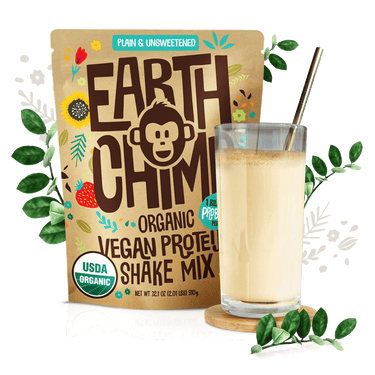
On days when appetite is low and full meals feel like too much, having a simple protein option can help. EarthChimp's organic vegan protein powder blends easily into water or quick mixes and is meant to fit alongside regular meals, not replace them.
It's one way to make protein intake feel more manageable while using GLP-1s and supporting muscle goals.

Frequently Asked Questions
Can I Lift Weights While on Ozempic?
Yes. You can lift weights while taking Ozempic. The medication does not change how muscles respond to strength-based activity.
Strength training helps signal the body to maintain or build muscle, which can be especially important during weight loss.
Is It Harder to Build Muscle While on Ozempic?
It can feel more challenging. Ozempic often reduces appetite, which can lead to lower overall food intake.
Because muscle development depends on regular resistance training and adequate nutrition, staying consistent and intentional becomes more important when appetite is lower.
Why Is Protein More Important When Taking Ozempic or Other GLP-1s?
When using GLP-1s, people typically eat less without actively trying to. With fewer calories coming in, muscle support becomes less automatic.
Protein helps support muscle repair and maintenance by providing essential nutrients in smaller amounts of food.
Does Eating Less on Ozempic Affect Muscle Recovery?
Yes, it can. Muscle recovery relies on consistent nourishment over time. When overall intake is reduced, the body has fewer resources available to repair and rebuild muscle after activity.
This makes nutrition, including adequate protein, more important when strength-based exercise is part of your routine.
References:
-
https://health.clevelandclinic.org/ozempic-muscle-loss
-
https://www.bolderathlete.com/blog/ozempic-muscle-growth-and-nutrition
-
https://www.planetfitness.com/blog/articles/maintaining-muscle-mass-exercise-ozempic
-
https://blog.nasm.org/progressive-overload-explained
-
https://www.sciencedirect.com/science/article/pii/S0022316622021897
Disclaimer:
This statement has not been evaluated by the Food and Drug Administration. This product is not intended to diagnose, treat, cure, or prevent any disease.