
When taking GLP-1 medications like Ozempic, protein becomes more important because appetite and overall food intake are lower.
A common protein intake range is about 1.2–1.6 grams per kilogram of body weight per day, adjusted for individual calorie needs. Focusing on protein-rich foods helps you meet these needs without requiring larger meals.
Key Takeaways
-
Protein shortfalls are easier to miss on GLP-1: Smaller portions and reduced appetite can lower protein intake without it being obvious, even when meals feel sufficient.
-
A single guideline is more useful than strict targets: Using a general protein range helps anchor daily intake without the pressure of tracking or hitting exact numbers.
-
Food choices matter more than food volume: Protein-dense options make it easier to support intake when larger meals feel uncomfortable or unappealing.
-
Flexible formats help maintain intake over time: Whole foods, lighter meals, and options like protein blends can all play a role in supporting protein intake when appetite varies.
General Protein Guidelines for People on GLP-1

If you're using a GLP-1 medication like Ozempic, protein needs are often higher than expected. This isn't because the medication changes how your body uses protein. It's because appetite and portion sizes are smaller.
When you eat less overall, it becomes easier to fall short on protein without realizing it. And that can happen faster than you'd think.
Most nutrition experts recommend that people using GLP-1 medications aim for about 1.2 grams of protein per kilogram of body weight per day. That's roughly 0.55 grams of protein per pound of body weight.
For example, a 150-pound person would aim for about 80–85 grams of protein per day. This target is commonly used for people on GLP-1 medications who are eating smaller portions but still need enough protein to support daily nutrition.
Food Sources That Make Hitting Protein Easier on GLP-1
When appetite is lower, protein choices matter more. The goal isn't eating more food. It's choosing foods that deliver more protein in fewer bites and feel easy to eat.
High-Protein Whole Foods
These foods are commonly well-tolerated with GLP-1 medications and make it easier to get protein without large portions. This approach also lines up with the US Dietary Guidelines.
-
Eggs: Soft texture, quick to prepare, and easy to eat at any time of day.
-
Fish and seafood (such as salmon, tuna, or shrimp): Protein-dense and satisfying without feeling heavy.
-
Chicken and turkey: Lean options that deliver a lot of protein in smaller servings.
-
Red meat: A concentrated protein source that can be included occasionally when appetite allows.
-
Greek yogurt or cottage cheese: Smooth, spoonable, and easy to portion when appetite is low.
-
Tofu and tempeh: Plant-based options that absorb flavor well and work in small meals.
-
Beans, lentils, peas, and other legumes: Flexible plant-based proteins that can be added to soups, stews, or blended dishes.
-
Edamame: A simple, whole-food soy option that works well as a light meal or snack.
-
Nuts and seeds: Useful for adding protein and energy in small amounts when full meals feel like too much.
Focusing on these options makes it easier to include protein consistently. This reinforces why protein is important on GLP-1s when appetite and portions are smaller.
Tips to Meet Your Protein Needs Throughout the Day

Getting enough protein on GLP-1 isn't about eating bigger meals. It's about making choices that work with a smaller appetite and fit naturally into your day.
1. Focus on Protein Density, Not Portion Size
When appetite is lower, protein per bite matters more than volume. Protein-dense foods help you make progress without forcing large meals. Even small amounts can contribute meaningfully when protein is the priority.
2. Spread Protein Across the Day
Trying to get most of your protein in one meal often feels uncomfortable on GLP-1. Trust me, it's not worth the struggle. Smaller, protein-focused moments are easier to manage and more sustainable.
This can look like:
-
Protein at breakfast
-
A lighter meal that still includes protein
-
A protein-forward snack
-
Dinner that doesn't rely on large portions
Spacing protein out helps support intake without overwhelming your appetite.
3. Use Liquids When Solid Food Feels Heavy
Solid food can feel less appealing when fullness sets in quickly. Liquids are often easier to tolerate.
Smoothies, protein shakes, and blended options let you take in protein with less effort. This works especially well earlier in the day or between meals.
4. Use Protein Powder to Support Daily Protein Intake
Protein blends can help on days when appetite is lower or when meals feel harder to plan. A typical scoop provides around 20–25 grams of protein. That makes it a simple way to fill gaps without adding much volume.
It works best as a support to meals and snacks, not a replacement.
Taste and convenience matter here. When something is easy to prepare and enjoyable, it's easier to use consistently. That's just how it works.
Choosing a Protein Powder That Works Well on GLP-1

Not all protein powders feel the same when appetite is low. Choosing the right one comes down to tolerance, simplicity, and consistency, not hype or extreme nutrition claims.
-
Look for a short, clean ingredient list: When you're eating less overall, heavily processed powders with long ingredient lists can feel overwhelming. A simpler formula is easier to tolerate and easier to use daily.
-
Prioritize protein sources that feel light, not heavy: Plant-based blends made from ingredients like pea, pumpkin, or sunflower protein tend to work well in smoothies and shakes. They deliver protein without the dense, heavy feeling some powders have.
-
Avoid artificial flavorings and unnecessary additives: Strong artificial flavors and sweeteners can become off-putting quickly on GLP-1. A cleaner taste profile helps reduce flavor fatigue and makes it easier to stick with protein long term.
-
Consider digestion and tolerance: Some people become more sensitive to certain foods on GLP-1. Options that are gluten-free, non-GMO, and include gentle ingredients are often easier to work into a routine.
-
Choose flexibility over perfection: Having both flavored and plain options gives you more control. Flavored powders work well for quick shakes. Plain or lightly sweetened options blend easily into smoothies or foods without overpowering the taste.
You Don't Need to Hit Your Protein Target Perfectly Every Day
Protein intake on GLP-1 doesn't look the same every day. Appetite can shift. Some days you may struggle to eat enough, even when you're being intentional.
On low-appetite days, small meals can feel filling, and daily protein intake may dip. That's okay. It happens to everyone.
What matters most is consistency over time. Regularly including protein across meals and snacks supports adequate protein intake far more than stressing about hitting an exact number each day.
This steady approach also relates to building muscle while taking Ozempic, which depends more on consistency over time than daily perfection.
It helps to think in terms of patterns rather than perfection. When protein fits your appetite and routine, staying consistent becomes easier. Over weeks and months, those steady habits matter more than any single meal or day.
Protein Still Matters When Appetite Is Low
When you're taking a GLP-1, what you eat can vary from day to day. Some days you'll feel more interested in food. Other days, much less. That's completely normal.
What matters most is choosing habits that help you stay consistent over time, rather than trying to be perfect at every meal.
Using protein supplements may be helpful on days when food feels less appealing. They also work well when spacing intake makes more sense than eating larger portions.
Thinking in terms of protein per meal or small protein moments across the day can make it easier to meet your daily needs without adding stress.
The goal is simple. Repeatable habits that fit your routine and help protein intake feel manageable over time. No perfection required.
A Note From EarthChimp
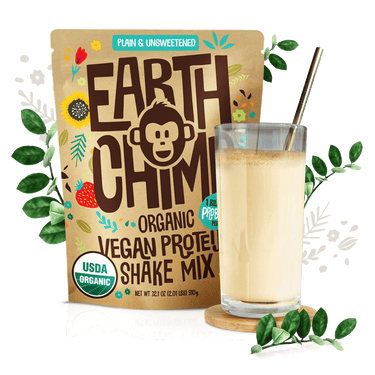
For those taking a GLP-1 and following a vegan diet, a 100% organic, plant-based protein powder like EarthChimp can support consistency when appetite is unpredictable. It mixes easily with water or blends into light smoothies without added heaviness.
With clean ingredients and an easy-to-drink texture, it's a practical option for supporting protein intake when meals are smaller.

Frequently Asked Questions
Should You Force Yourself to Eat on a GLP-1?
Forcing yourself to eat is usually not helpful. Appetite cues often change on GLP-1, and eating past fullness can feel uncomfortable.
A more sustainable approach is to work with your appetite. When hunger is low, focus on lighter, protein-forward choices. Look for simple ways to add protein throughout the day.
This supports intake without forcing meals or eating larger portions than one feels comfortable with.
Why Do Meals Feel Filling Faster on GLP-1s?
GLP-1s affect how quickly food moves through the stomach. This process is known as slow gastric emptying. It causes fullness to set in sooner and last longer.
As a result, meals tend to feel complete with smaller portions. Choosing protein-rich foods during those moments can help meals feel more satisfying without requiring more food.
What Happens If You Don’t Eat Enough Protein on a GLP-1?
When protein intake stays low, it can affect muscle mass over time. This is especially true when you're eating less overall.
Eating smaller portions day after day without enough protein makes it harder to support muscle as your body adjusts to lower intake.
Is Protein Powder Necessary When Taking GLP-1 Medication?
Protein powder isn't required, but it can be a convenient option.
Some people use it to support their intake on busy days, when meals are smaller, or when planning protein-rich foods feels harder. It works best alongside whole foods, offering an easy way to add protein without changing how you normally eat.
References:
-
https://www.cms.org/unlocking-glp-1-success-why-protein-is-your-secret-weapon/
-
https://www.uchealth.org/today/nutrition-vital-when-taking-glp-1-weight-loss-drugs/
-
https://health.osu.edu/wellness/exercise-and-nutrition/glp1-foods-to-limit
Disclaimer:
This statement has not been evaluated by the Food and Drug Administration. This product is not intended to diagnose, treat, cure, or prevent any disease.