
A GLP-1 meal plan is usually less about strict rules and more about having simple meal ideas that feel manageable. That can include protein, flexible portions, and easy options for days when eating feels less appealing.
Honestly, appetite can be unpredictable.
A little structure can help meals feel more doable without adding pressure.
Key Takeaways
-
Meal planning may make eating feel more manageable: When appetite is unpredictable, having a loose structure can make it easier to meet your nutrition needs.
-
Protein at each meal may help support muscle retention: Including protein throughout the day may help support lean mass during weight loss.
-
Flexibility matters: A meal plan that adapts to your appetite is more sustainable than a rigid one.
-
Smaller, more frequent meals may feel easier: Many people on GLP-1 find that spacing out smaller meals works better than three large ones.
-
Simple options are often the most practical: Easy-to-prepare meals and snacks can help on days when cooking feels like too much.
Why Meal Planning May Help on GLP-1

On GLP-1 medications, appetite can be unpredictable. Some days, eating feels manageable. Other days, food may not sound appealing at all.
Without some structure, it can be easy to skip meals or under-eat. Over time, this may make it harder to get the nutrients your body needs.
A loose meal plan can help. It does not need to be rigid. The goal is to have a general framework so you are not starting from scratch each day.
This can also help with:
-
Making sure protein is included throughout the day
-
Having easy options ready when appetite is low
-
Reducing decision fatigue around food
A plan is not about perfection. It is about having a starting point.
General Principles for GLP-1 Meal Planning
These are not rules. They are ideas that may help guide your approach.
-
Including Protein at Each Meal
Protein may play a role in supporting muscle during weight loss. Including some protein at breakfast, lunch, dinner, and snacks may help.
If you are unsure about how much protein to aim for each day, a dietitian can help personalize recommendations.
-
Choosing Easy-to-Digest Options When Needed
On days when you feel fuller quickly or when nausea is present, lighter options may feel more manageable. Foods like yogurt, eggs, smoothies, or simple proteins can be easier to tolerate.
-
Building in Flexibility
Appetite changes on GLP-1. A meal plan that allows for swaps and adjustments is more realistic than one that requires specific meals at specific times.
-
Considering Smaller, More Frequent Meals
Some people find that eating smaller amounts more often feels easier than three large meals. This may also help with feeling overly full or uncomfortable after eating.
-
Keeping Hydration in Mind
Hydration is a practical part of overall intake and may be worth paying attention to when constipation is an issue. Water, herbal tea, or broth-based soups can all contribute.
These are starting points. Adjust based on what works for you.
Sample Day Structure

This is not a prescription. It is one example of how a day might look. Use it as a starting point and adjust based on your appetite and preferences.
Morning
Something with protein to start the day. This could be eggs, Greek yogurt, overnight oats with protein, or a smoothie.
If solid food feels hard in the morning, a protein shake or smoothie may be easier.
Midday
A balanced meal with protein, some vegetables, and carbohydrate if desired. This could be a salad with chicken, a grain bowl, or a simple sandwich.
If you prefer smaller portions, small meal ideas can be a good starting point.
Afternoon
A small snack to bridge the gap between lunch and dinner. This could be yogurt, cheese, nuts, or a protein bar.
There are plenty of snack options that include protein and are easy to prepare.
Evening
A lighter dinner if appetite is lower at night. Protein with vegetables is a simple approach. Soup, fish, or a small portion of chicken with roasted vegetables can work well.
Throughout the Day
Water, herbal tea, or other fluids to stay hydrated. If a meal gets skipped or feels too hard, a protein shake may be one option to consider.
This is just one way to structure a day. Your version may look different.
Adapting Based on Appetite
Appetite on GLP-1 is rarely consistent. Some days, eating feels normal. Other days, even small amounts feel like too much.
Here are some ideas for adapting.
On Low-Appetite Days
-
Liquids like smoothies, protein shakes, or soups may feel easier on low-appetite days
-
Choose lighter proteins like yogurt, eggs, or fish
-
Eat smaller amounts more frequently
-
Larger meals may feel less appealing than smaller amounts
On Higher-Appetite Days
-
Include more substantial meals with protein, vegetables, and carbs
-
Add healthy fats like avocado, nuts, or olive oil
-
Use these days to get in foods that feel harder on other days
When Nausea Is Present
-
Bland or simple foods may feel easier when nausea is more noticeable.
-
Small bites or sips may feel more manageable than a larger meal.
When Time or Energy Is Low
-
Keep easy options on hand, like hard-boiled eggs, cheese, or pre-made protein shakes
-
When time or energy is low, convenient frozen meal options can fill gaps in your plan
Your plan should work for you, not the other way around.
Building Your Own Plan
You do not need a complicated system. A simple framework can be enough.
1. Start With Protein
Think about what protein sources you enjoy and tolerate well. Build meals around these.
2. Add Easy Options
Identify a few simple meals and snacks you can rely on when appetite is low or time is short.
3. Plan for Flexibility
Instead of planning exact meals for each day, consider having a list of options for each meal type. This gives structure without rigidity.
4. Prep When You Can
If you have energy to prep, batch cooking proteins or chopping vegetables can make the week easier. If not, that is okay too. Simple options work just as well.
5. Track If It Helps
Some people find that tracking their protein intake helps them stay consistent. Others prefer a more intuitive approach. Do what works for you.
Start simple. Adjust as you go.
Light Meal and Snack Ideas

These are not full meal plans. They are light options that can fit into your day when your appetite is low or when you need something simple. Mix and match based on what works for you.
1. Almond Banana PB Shake
A creamy shake with almond milk, banana, and peanut butter. Quick to blend and easy to drink when solid food feels like too much.
2. Chocolate PB Oatmeal Latte Shake
A shake that combines chocolate, peanut butter, and oats with a hint of coffee flavor. Filling but easy to drink.
3. Peanut Butter Banana Smoothie
A simple smoothie with peanut butter and banana. Blends quickly and provides protein in an easy-to-consume form.
4. Salted Caramel Frozen Coffee
A cold, blended coffee drink with a salted caramel flavor. A good option for mornings when you want something light and refreshing.
5. Sweet Potato Protein Oat Bowl
A warm bowl with sweet potato, oats, and protein. A comforting option for mornings when you want something light but filling.
6. Chocolate Protein French Toast
A protein-boosted take on classic french toast. Works as a light breakfast or a simple snack.
7. PB Banana Protein Oatmeal
Oatmeal with peanut butter, banana, and added protein. A warm, satisfying option that comes together in minutes.
8. Apple Protein Bites
Bite-sized snacks with apple and protein. Easy to prep ahead and grab when you need something small.
A Note From EarthChimp

Meal planning on GLP-1 does not have to be complicated. Having a few reliable options can make a big difference.
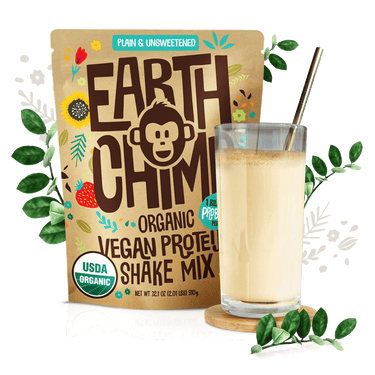
EarthChimp’s organic vegan protein powder is one plant-based option for people who want a simple protein powder with a clearly labeled protein amount. It can be added to smoothies, oatmeal, or other recipes depending on preference.
Whether to include a protein powder at all depends on appetite, routine, and personal preference.
Frequently Asked Questions
Do I Need a Strict Meal Plan on GLP-1?
A loose framework with flexible options may work better than a rigid plan. The goal is to have some structure without feeling restricted.
What If I'm Not Hungry at Meal Times?
This is common on GLP-1. On low-appetite days, focus on smaller portions, lighter options, or liquids like smoothies and shakes. Eating something small is often better than skipping entirely.
How Many Meals Should I Eat Per Day?
There is no single answer. Some people do well with three meals and a snack. Others prefer smaller, more frequent meals throughout the day. Experiment to see what feels best for you.
Should I Count Calories or Macros?
This depends on your goals and preferences. Some people find tracking helpful. Others prefer a more flexible approach. If you want guidance on protein specifically, a registered dietitian can help personalize recommendations.
What If I Can't Follow the Plan Some Days?
That is okay. A meal plan is a guide, not a rule. On days when things do not go as planned, just do what you can. One off day does not undo your progress.
References:
-
https://pubmed.ncbi.nlm.nih.gov/39002131/
-
https://diet.mayoclinic.org/us/blog/2024/managing-common-side-effects-from-weight-loss-drugs/
-
https://pmc.ncbi.nlm.nih.gov/articles/PMC11126815/
Disclaimer:
This article is for informational purposes only and does not constitute medical or nutritional advice. If you're taking GLP-1 medications, consult your healthcare provider or a registered dietitian for personalized guidance.