
Starting a GLP-1 medication can feel like a big step. A little preparation on the nutrition and lifestyle side may make the transition easier.
Stocking your kitchen with easy foods, building protein habits, and adjusting your mindset can all help.
You do not need to overhaul everything. Just a few small steps.
Key Takeaways
-
Appetite changes are common: Reduced hunger is common after starting GLP-1 medication, though the timing and intensity can vary.
-
Stocking your kitchen ahead of time may help: Having easy, gentle foods on hand can make low-appetite days more manageable.
-
Building protein habits early may support the transition: Getting used to including protein in meals ahead of time may make routine-building feel easier later.
-
Eating less than usual is often normal: Feeling full sooner or eating smaller portions can be part of the early adjustment period on GLP-1.
-
Preparation is about nutrition and lifestyle: Medical decisions should be discussed with your healthcare provider.
What to Expect in the First Few Weeks

The first few weeks on GLP-1 often come with changes in appetite and eating patterns. Knowing what may happen can help reduce anxiety.
1. Appetite May Decrease
Changes in hunger and fullness are common on GLP-1 medications. According to the Cleveland Clinic, GLP-1 medications work by slowing digestion and affecting areas of the brain that process hunger and fullness.
This means meals may feel more filling. Smaller portions may feel more comfortable for many people once treatment begins.
2. Eating Patterns May Shift
Feeling full after just a few bites is common. Mealtimes may feel different than before. This can be an expected part of how the medication works, though it may still take some adjustment.
If eating when appetite drops feels challenging, a few simple strategies may help.
3. Mild Side Effects Are Possible
Nausea, constipation, and bloating are among the more common early side effects. These side effects are common early on, and they may improve over time for some people.
During this period, hydration and lighter meals may feel easier to work with.
These changes can be part of the early adjustment period, though the experience varies from person to person.
How to Prepare Your Kitchen
Having the right foods on hand before starting can make the first few weeks easier. When appetite is low, simple options are often the most practical.
Stock Bland, Easy Foods
Foods that may feel easier when appetite is reduced:
-
Crackers, rice, toast
-
Bananas, applesauce
-
Broth-based soups
-
Oatmeal
-
Ginger tea
These can be helpful on days when richer foods feel like too much.
Have Protein Options Ready
Protein still matters, even when eating less. Consider stocking up on gentle protein foods that may be easier to tolerate.
Options to consider:
-
Greek yogurt
-
Eggs
-
Cottage cheese
-
Soft fish like salmon or tilapia
-
Protein shakes or smoothies
Having a shake option on hand may feel practical on days when regular meals seem less doable.
Keep Lighter Options Available
Rich, fried, or very sweet foods may feel harder to tolerate in the early weeks. Having lighter options available can make a difference.
A well-stocked kitchen takes the guesswork out of eating.
Building Protein Habits Before You Start

Protein can be a useful part of meal planning during weight loss. Understanding why protein may be important on GLP-1 can help guide your preparation.
-
Getting Used to Protein in Meals
Getting used to including protein in meals and snacks may make later adjustments feel less abrupt.
This does not need to be complicated. A yogurt at breakfast. An egg with lunch. A small portion of chicken at dinner.
-
Smaller Portions May Feel More Familiar Later
On GLP-1, larger meals can feel less comfortable than smaller ones. Getting comfortable with simpler, smaller meals ahead of time may make the transition feel less unfamiliar.
-
Getting Familiar With Easier Options
Liquids like shakes or smoothies may feel more manageable than solid food on lower-appetite days. Having a few simple options in mind ahead of time may make planning easier.
Mindset Shifts That May Help
Starting GLP-1 often means changing how you think about eating. A few mindset shifts may make the experience easier.
Eating Less Is Often Normal
On GLP-1, eating less than before is expected. This can be part of how the medication works and may not always mean something is wrong.
Feeling satisfied with smaller portions is common. Trusting that experience takes time.
Do Not Panic About Food Changes
Appetite may fluctuate. One day, eating may feel fine. The next day, food may not sound appealing. This is typical.
The goal is not to force old eating patterns. It is to adapt to what feels manageable.
Weight Changes May Take Time
Significant changes do not always happen in the first week. This is normal. The focus early on is adjustment, not results.
Frequent weigh-ins can feel stressful for some people. A less frequent check-in may feel more manageable.
Focus on What You Can Control
Nutrition, hydration, and gentle movement are within your control. Medical decisions and dosing are conversations for your healthcare provider.
This is a transition. Give yourself time to adjust.
The First Week and Beyond

Once you start, the first week is about adjustment. Knowing what to eat in the first week can help guide your choices.
In the first week, many people gravitate toward small, manageable meals, fluids, and simpler foods while they adjust.
Not everything will go perfectly. Some days may feel easier than others. That is normal.
Preparation helps, but flexibility matters too. Each day may feel a little different. That is okay.
You have prepared. Now take it one day at a time.
A Note From EarthChimp
When appetite is low, getting enough protein can feel challenging. Having simple options on hand may help.
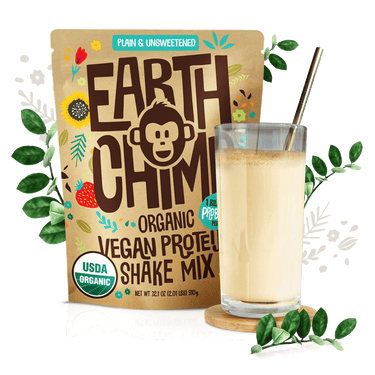
EarthChimp's organic vegan protein powder blends easily into smoothies or shakes. It may be one convenient option for smoothies or shakes when a full meal does not sound appealing.
It is not a replacement for balanced eating. It can be one practical option to include in a broader eating routine during the adjustment period.
Frequently Asked Questions
What Should I Stock in My Kitchen Before Starting GLP-1?
Bland, easy foods like crackers, rice, bananas, toast, and broth-based soups are often helpful. Gentle protein options like Greek yogurt, eggs, cottage cheese, and protein shakes can also be useful to have on hand.
Will I Feel Nauseous When I Start?
Nausea is a common early side effect, though it does not happen to everyone. According to the Mayo Clinic, it tends to be mild and often improves as the body adjusts. Eating smaller meals and staying hydrated may help.
How Much Should I Eat in the First Few Weeks?
There is no set amount. Appetite is often reduced, so smaller portions may feel more comfortable. The goal is to eat what you can, prioritize protein, and stay hydrated.
Should I Change My Diet Before Starting?
No specific diet is required. However, building protein habits and stocking easy foods ahead of time may make the transition smoother.
What If I Do Not Notice Any Changes at First?
This is normal. Appetite shifts may take a few days or longer to appear. Not feeling anything in the first few days does not necessarily mean the medication is not working.
References:
-
https://my.clevelandclinic.org/health/treatments/13901-glp-1-agonists
-
https://www.mayoclinic.org/drugs-supplements/semaglutide-subcutaneous-route/side-effects/drg-20406730
-
https://health.clevelandclinic.org/how-long-does-it-take-for-glp-1s-to-suppress-appetite
Disclaimer:
This article is for informational purposes only and does not constitute medical or nutritional advice. If you're taking GLP-1 medications, consult your healthcare provider or a registered dietitian for personalized guidance.