
When starting Ozempic, some people may find that smaller meals, simple foods, and regular fluids feel easier to manage, especially if appetite or digestion changes. The goal early on is usually to focus on foods that feel tolerable, then build toward a more balanced routine as tolerated.
Key Takeaways
-
The early days may be an adjustment period: Some people notice changes in appetite, fullness, or digestion when starting Ozempic.
-
Simple foods may feel easier at first: Bland or lighter options may feel more manageable if appetite feels lower or nausea is present.
-
Smaller portions may feel more comfortable: Some people prefer eating less at one time instead of having larger meals.
-
Staying hydrated still matters: Regular fluids may be helpful, especially if eating feels harder than usual.
-
A balanced routine can come gradually: Some people start with what feels tolerable, then ease into more balanced meals as they adjust.
What the Early Days May Feel Like
Everyone’s experience can be different. Some people notice reduced appetite, earlier fullness, or mild digestive side effects such as nausea, constipation, diarrhea, bloating, or heartburn. These effects may lessen over time for some people, but severe symptoms or trouble keeping food or fluids down should be discussed with a healthcare provider.
Because Ozempic can affect appetite and delay stomach emptying, some people find it useful to notice how different foods feel instead of forcing large or heavy meals.
Gentle Food Ideas for the Early Days

There is no single eating pattern that works for everyone when starting Ozempic. A well-balanced eating pattern is still the general goal, but if side effects are making food less appealing, some people prefer simpler foods at first.
Simple Foods That May Feel Easier
If nausea or reduced appetite is an issue, bland foods may feel easier for some people. Examples from Mayo Clinic Diet include:
-
Crackers
-
Toast
-
Pretzels
Some people may also prefer plain, simple meals while they adjust, but tolerance can vary from person to person.
Balanced Foods to Build Around When Tolerated
Building meals around well-balanced staples such as:
-
Lean protein, such as fish, chicken, tofu, and beans
-
Fruits and vegetables
-
Whole grains, such as oats
These foods may not all feel appealing at once, so some people introduce them in smaller amounts or in combinations that feel easier to tolerate.
If Solid Food Feels Harder
Liquids may feel easier to tolerate than solid foods for some people. Meal replacement shakes or protein shakes, may help when appetite is low.
That does not mean everyone needs shakes, but they may be one option to discuss with a healthcare provider or dietitian if regular meals feel difficult.
Foods Some People May Want to Limit at First

Some foods may feel harder to tolerate, especially if nausea, reflux, or fullness is more noticeable. Examples of foods that may feel less manageable for some people include:
-
High-fat or rich meals
-
Fried foods
-
Spicy foods, if reflux or stomach discomfort is an issue
-
Large meals
This does not automatically mean these foods need to be avoided forever. Some people simply find that lighter meals feel more comfortable during the adjustment period.
A Gentle Example of a Day of Eating
This is not a strict meal plan. It is only a simple example of how someone might keep meals lighter if their appetite or digestion feels different.
-
Morning: Toast or crackers, plus water or ginger herbal tea if tolerated.
-
Midday: A small meal built around something simple, such as oats or another light option that feels manageable.
-
Afternoon: Fluids between meals, such as water or herbal tea.
-
Evening: A smaller meal with balanced components if tolerated, such as a lean protein with a simple grain or vegetables.
Some people may eat less than this, and others may eat more. Needs and tolerance can vary.
Staying Hydrated
Fluids can be especially important if nausea, reduced appetite, diarrhea, or constipation make eating more difficult. Some people find it easier to sip water or other simple fluids throughout the day when eating feels harder than usual.
You do not need to drink a lot at once. Sometimes small, steady sips feel easier.
If keeping up with food or fluids feels difficult for more than a short period, it may be worth checking in with a healthcare provider.
Easing Into Protein

Protein is commonly included in general balanced-eating guidance for people using GLP-1 medications. Cleveland Clinic recommends building meals around lean protein, and it notes that protein shakes or meal replacement shakes may help if appetite is low.
Still, not everyone will want the same foods right away. Some people may tolerate small amounts better than full portions, and a clinician or registered dietitian may be helpful if you are unsure how to meet your needs while side effects are present.
For ideas on light protein options, protein snacks for GLP-1 users cover some choices that tend to feel manageable.
A Note From EarthChimp
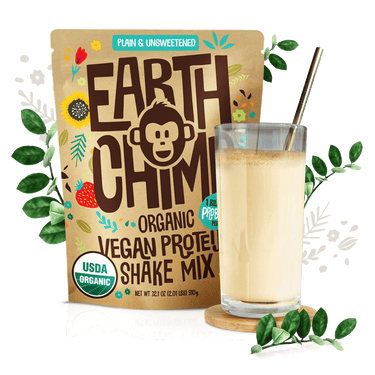
As regular eating feels easier again, some people choose to add convenient protein options such as shakes alongside food. EarthChimp’s organic vegan protein powder is one option for people who prefer a simple plant-based protein powder.
It’s made with simple ingredients and can be mixed with water or plant-based milk. Whether or when to include a protein powder depends on personal preference, appetite, and guidance from a healthcare professional.
Frequently Asked Questions
What Should I Eat When Starting Ozempic?
There is no single food plan that works for everyone. If appetite or nausea changes early on, some people may prefer smaller meals and bland foods such as crackers, toast, or pretzels. As tolerated, balanced meals with lean protein, fruits and vegetables, and whole grains may still be a useful general approach.
Is It Common to Feel Less Hungry at First?
Some people do notice reduced appetite or earlier fullness. Semaglutide can decrease appetite and delay stomach emptying, which may change how eating feels. If appetite loss feels extreme or makes it hard to eat or drink, it may be worth contacting a healthcare provider.
What Foods Might Feel Harder to Tolerate Early On?
High-fat, fried, rich, or large meals may feel harder for some people, especially if nausea, reflux, or stomach discomfort is present. Spicy foods may also be an issue for some people with heartburn or reflux.
How Much Should I Eat?
There is no single amount that fits everyone. Some people may feel better with smaller, more frequent meals rather than large portions. If you are concerned that you are eating too little or struggling to stay hydrated, it may be a good idea to check in with a healthcare provider.
Do I Need Protein Shakes?
Not necessarily. Some people may find liquids easier to tolerate than solids when appetite is low, and Cleveland Clinic notes that protein shakes or meal replacement shakes may help in that situation. But they are only one option, not a requirement.
References:
-
https://health.clevelandclinic.org/ozempic-for-weight-loss
-
https://diet.mayoclinic.org/us/blog/2024/managing-common-side-effects-from-weight-loss-drugs/
-
https://mcpress.mayoclinic.org/living-well/health-benefits-of-semaglutide-beyond-weight-loss/
-
https://health.clevelandclinic.org/ozempic-foods-to-avoid
Disclaimer:
This article is for informational purposes only and is not medical or nutrition advice. GLP-1 medications can affect people differently. For personalized guidance, speak with your healthcare provider or a registered dietitian.