
Getting enough protein on GLP-1 medications is one thing. Finding options that feel manageable is another.
Many people look for protein-rich foods that feel lighter and easier to eat on GLP-1 medications. When appetite is reduced, and heavier foods feel less appealing, options like eggs, Greek yogurt, tofu, lean poultry, fish, protein shakes, and well-cooked lentils are among the choices some people prefer.
Key Takeaways
-
Some proteins may feel easier to eat consistently: When appetite is lower, lighter protein options may feel more manageable and are less likely to go unfinished.
-
Soft-cooked eggs are a popular choice: Many people find poached or scrambled eggs easier to eat in smaller portions.
-
Greek yogurt is one option some people tolerate well: It's higher in protein than regular yogurt, and some people find it sits well.
-
Liquid proteins may feel easier when appetite is low: When solid food feels like too much, drinking protein through shakes or smoothies is an approach some people prefer.
-
Preparation style can influence how manageable a food feels: Softer textures and gentler cooking methods are often preferred by people on GLP-1 medications.
7 Protein Options Some People Prefer on GLP-1

These proteins are among the options people commonly mention as feeling lighter and fitting into smaller portions. Individual experiences vary.
1. Eggs
Eggs are a complete protein, meaning they contain all essential amino acids. Many people find them easy to include in meals.
How you cook them can make a difference in how they feel. Soft-cooked methods like poached, scrambled, or soft-boiled are often preferred over fried or hard-cooked eggs.
Protein per serving: About 6-7 grams per large egg
Preparation notes: Scrambled, poached, or soft-boiled are common choices. Frying in heavy oils may not feel as comfortable for some people.
2. Greek Yogurt
Greek yogurt is strained, which makes it higher in protein than regular yogurt. Some people find it sits well and works as a convenient option.
It also contains probiotics, which some people find supportive. Greek yogurt can work as a protein-rich snack between meals or as part of breakfast.
Protein per serving: About 15-17 grams per 3/4 cup
Preparation notes: Plain or lightly flavored varieties are common choices. Heavily sweetened versions may not work as well for some people.
3. Tofu
Tofu is a plant-based complete protein made from soybeans. It has a softer texture than whole beans, which some people prefer.
Silken or soft tofu is often the easiest to include. Firmer varieties also work well, especially in soups or stir-fries where they absorb moisture and flavor.
Protein per serving: About 10-15 grams per half cup (depending on firmness)
Preparation notes: Silken tofu blends into smoothies. Soft tofu works in soups and light stir-fries.
4. Lean Poultry
Chicken and turkey breast are high in protein. Many people find white meat feels lighter than dark meat or red meat.
Preparation makes a difference. Baked, poached, or slow-cooked poultry is often preferred over fried or heavily seasoned versions. Shredded or thinly sliced chicken can also feel easier to eat when appetite is low.
Protein per serving: About 25-30 grams per 3-4 oz serving
Preparation notes: Baked, poached, or slow-cooked are common choices. Shredding or slicing thin can make portions feel more manageable.
5. Fish
Both white fish (like cod, tilapia, or sole) and fatty fish (like salmon) are protein options some people prefer on GLP-1 medications.
Some people find fish feels lighter than red meat. Baked, steamed, or poached preparations are often preferred over fried.
Protein per serving: About 20-25 grams per 3-4 oz serving
Preparation notes: Baked, steamed, or poached are common choices. Heavy batters or deep frying may not feel as comfortable for some people.
6. Protein Shakes and Smoothies
Liquid protein is an option some people prefer when solid food feels less appealing. There's no chewing required, and the blended format can feel lighter.
Protein shakes and smoothies also allow you to combine protein with other ingredients like fruits, vegetables, or healthy fats in one serving.
Protein per serving: About 20-30 grams per shake (depending on powder and additions)
Preparation notes: Sipping slowly rather than drinking quickly is something many people prefer. Choosing a protein powder that blends smoothly can help.
7. Well-Cooked Lentils
Lentils provide plant-based protein along with fiber. Cooking them thoroughly can make a difference in how they feel.
Soaking lentils before cooking and pureeing them into soups or dals are approaches some people find helpful.
Protein per serving: About 9 grams per half cup (cooked)
Preparation notes: Soaked before cooking, fully softened, or pureed into soups. Red lentils break down fastest and are often preferred.
If you're ever unsure how much protein a food contains, you can check the USDA's FoodData Central site.
Preparation Approaches Some Might Prefer

The same protein can feel different depending on how you prepare it. Many people on GLP-1 medications find that certain preparation styles feel more manageable.
Softer Cooking Methods
Gentle cooking methods produce softer textures that some people prefer.
-
Methods often preferred: Poaching, steaming, baking, slow-cooking
-
Methods some people find less comfortable: Deep frying, pan frying in heavy oil, charring
Moist cooking methods tend to keep proteins tender. Dry, high-heat methods can produce tougher textures.
Fats and Oils
Some people find that high-fat preparations feel heavier. This doesn't mean avoiding fat entirely. It means being aware of how much you add during cooking.
A light drizzle of olive oil feels different from deep frying. Some people find lighter preparations more comfortable.
Cutting, Shredding, or Blending
Shredded, sliced, or blended proteins are something many people prefer when appetite is low.
-
Shredding chicken or turkey instead of serving whole pieces
-
Slicing fish into thinner portions
-
Blending proteins into smoothies or soups
Simpler Seasoning
Some people find that heavy sauces, rich marinades, and intense spices don't feel as comfortable. Simple seasoning with basics like salt, pepper, herbs, and lemon is a common preference.
You can always experiment with more complexity as you learn what works for you.
Eating Pace
How you eat can matter as much as what you eat. Many people find that eating more slowly feels more comfortable.
Taking small bites, chewing thoroughly, and pausing between bites are approaches some people find helpful.
Why Some People Pay Attention to Protein Choices on GLP-1
People taking GLP-1 medications often notice changes in appetite, fullness, and food preferences. Because of this, some protein foods may feel easier to include than others.
When appetite is reduced, finding protein options that feel manageable can help people meet their nutrition needs. It's not just about eating protein. It's about finding protein options that work for your situation.
If you experience persistent discomfort with food, a healthcare provider or dietitian can help determine whether adjustments are needed.
A Note From EarthChimp

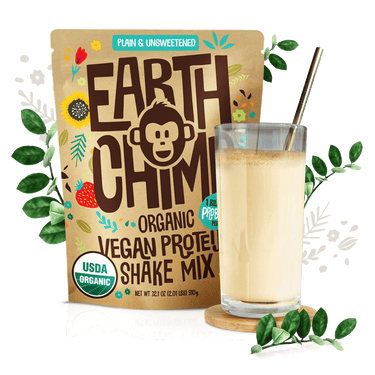
When solid foods feel less appealing, a protein shake can be one convenient way to include protein. EarthChimp's organic vegan protein powder blends smoothly into shakes, smoothies, or oatmeal.
It's made with simple, clean ingredients and mixes easily with water or plant-based milk. Some people prefer shake formats on days when solid food feels less manageable.
Frequently Asked Questions
What Proteins Do Some People Prefer on GLP-1 Medications?
Some people on GLP-1 medications prefer options like eggs, Greek yogurt, tofu, lean poultry, fish, protein shakes, and well-cooked lentils because these foods may feel lighter or easier to eat. Individual preferences vary, and what works well for one person may be different for another.
Why Do Some Proteins Feel Heavier Than Others on GLP-1?
People taking GLP-1 medications often notice changes in how different foods feel. Some proteins, particularly those that are dense, fatty, or prepared with heavy oils, may feel less comfortable for some people. Lighter options and gentler preparations are often preferred.
Are Protein Shakes an Option When Solid Food Feels Like Too Much?
For many people on GLP-1 medications, yes. Liquid proteins don't require chewing and can feel lighter. Sipping a protein shake slowly is something many people prefer when solid food feels less appealing.
How Does Preparation Affect How Protein Feels?
Preparation style can influence how manageable a food feels. Gentle cooking methods like poaching, steaming, baking, or slow-cooking are often preferred. Softer textures and simpler seasoning are also common preferences. Shredding, slicing thin, or blending proteins are approaches some people find helpful.
How Much Protein Do People Typically Aim for on GLP-1?
Some guidelines suggest around 1.2 grams of protein per kilogram of body weight per day, though individual needs vary. Some people find it easier to spread protein across meals rather than relying on one larger serving. A healthcare provider or dietitian can help determine what's appropriate for your situation.
References:
-
https://fdc.nal.usda.gov/
-
https://www.webmd.com/diet/health-benefits-greek-yogurt
-
https://health.ucdavis.edu/news/headlines/uc-davis-health-examines-systemic-impact-of-glp-1-based-therapies/2025/04
-
https://www.uchealth.org/today/nutrition-vital-when-taking-glp-1-weight-loss-drugs/
-
https://www.verywellhealth.com/easiest-protein-to-digest-11803159?utm_source=chatgpt.com
-
https://www.healthline.com/health/easy-to-digest-foods?utm_source=chatgpt.com#protein
Disclaimer:
This article is for informational purposes only and is not medical advice. If you're taking Ozempic or any GLP-1 medication, consult your healthcare provider about dietary changes that are right for you.