
When appetite drops on Ozempic, many people find that small, manageable portions work better than forcing full meals. Soft or blended foods are often gentler on the stomach. Spreading intake throughout the day, rather than eating one or two large meals, tends to feel steadier.
The goal isn't necessarily to eat more. Often, it's about maintaining balanced nutrition even with reduced hunger.
Key Takeaways
-
Small portions are easier to manage than full meals: When GLP-1 medications like Ozempic reduce your appetite, starting with a modest serving feels less overwhelming. You can always add more if you're still comfortable.
-
Soft and blended foods are often gentler: Smoothies, yogurt, oats, and soups require less effort to eat and digest. These formats also make it easier to include protein without increasing volume.
-
Spreading intake throughout the day works well for some: Going many hours without food can lead to nausea, low energy, or eating more later. Small amounts of food spaced across the day often feel steadier than one or two large meals.
-
Meal composition matters more than meal size: When portions are smaller, what you eat becomes more important. Including protein in compact formats helps you get adequate nutrition from less food.
-
Skipping meals regularly may not work well for everyone: While reduced appetite is expected on GLP-1 medications, routinely skipping meals can make it harder to maintain energy throughout the day. A doctor or dietitian can help you determine what approach works best for your situation.
What Might Help When Appetite Is Low

GLP-1 medications like Ozempic are known for influencing appetite and slowing stomach emptying. Hunger cues often feel weaker or arrive later than expected. Eating can feel unfamiliar or even effortful.
The goal isn't to force large meals. It's to maintain a manageable, steady intake that supports the day. You don't have to eat a lot. You just have to eat consistently.
1. Starting with Smaller Portions
One approach is to begin with a modest serving instead of a full plate. A small bowl of yogurt, half a sandwich, or a single slice of toast is easier to approach than a large portion. With reduced appetite, small high-protein meals often feel more manageable than heavier or complex dishes.
If you're still comfortable after finishing, you can always add more. Starting small reduces pressure and helps you respond to fullness cues without feeling overwhelmed.
2. Soft or Blended Foods
Texture matters with reduced hunger. Soft and spoonable foods often feel less overwhelming than dense or heavy meals.
Options that work well include:
-
Smoothies
-
Yogurt
-
Oatmeal
-
Light soups
-
Chia pudding
These often feel easier to eat. Blended formats also make it simpler to include protein without increasing portion size.
3. Eating Slowly
Fullness on Ozempic can arrive quickly and sometimes unexpectedly. Slowing your pace, pausing between bites, and giving your body time to register how you feel can help.
There's no requirement to finish everything on your plate. Stopping when comfortable may help prevent the overly full sensation that happens when eating too quickly. It's okay to leave food behind.
4. Spreading Intake Throughout the Day
Going many hours without food can feel uncomfortable, especially if nausea or low energy develops. Starting the day with an easy high-protein breakfast can help create a steadier rhythm instead of relying on one or two larger meals. From there, spacing smaller amounts of food across the day often works well.
This doesn't require a strict eating schedule. It simply means checking in periodically and eating when it feels manageable.
5. Meal Composition Over Size
When portions are smaller, composition becomes more important. Including protein in compact formats such as these can help:
-
Yogurt bowls with protein powder
-
Smoothies with protein
-
Oatmeal with nut butter
-
Simple egg dishes
Combining a few basic ingredients rather than building large, complex meals makes it easier to eat without feeling overloaded.
Why Food May Feel Unappealing on GLP-1

Here's the thing: on GLP-1 medications like Ozempic, hunger and interest in food aren't always the same. You may not feel true hunger, but you also may not feel motivated to eat. Both can happen at once.
Some people describe this as reduced "food noise," meaning fewer cravings and less mental focus on food. Taste preferences can also shift. Foods you used to enjoy may feel too rich, too sweet, or simply unappealing for a period of time.
Finding simple options that feel more manageable might help.
1. Lighter Textures
Dense or heavy meals can feel overwhelming during periods of low appetite. Lighter textures are often easier to approach.
Foods that tend to work well include:
-
Fresh fruit
-
Yogurt
-
Soft oats
-
Smooth blends
-
Small amounts of crackers or toast
Consider keeping portions modest and building from there if you feel comfortable.
2. Temperature Preferences
Temperature can influence how tolerable food feels. Some people prefer cold foods like chilled yogurt, smoothies, or fruit. Others find that warm, simple meals like plain oats or light soup feel more soothing.
There's no correct choice. Pay attention to which temperature feels easier for you and lean into that preference.
3. Simpler Ingredients
With reduced appetite, complex meals with multiple flavors and heavy sauces can feel overwhelming. Plain or minimally seasoned foods are often simpler to handle.
Keeping ingredients simple allows you to focus on eating without managing strong flavors or rich combinations. You can always add variety later when your appetite shifts.
4. Liquid Options
If solid food feels difficult, liquid options can help maintain intake without requiring a full meal. Smoothies and protein shakes provide nutrients in a compact format.
Instead of drinking them quickly, sipping gradually over time often feels more manageable than sitting down to a traditional plate of food.
What to Consider Regarding Meal Frequency
GLP-1 medications like Ozempic significantly reduce appetite, so feeling less hungry is expected. That often leads to a practical question: if you're not hungry, what should you do about meals?
Some doctors and dietitians suggest maintaining regular food intake rather than skipping meals entirely while using GLP-1 medications. Here are some reasons why:
-
Nutritional gaps can add up. Avoiding regular food intake makes it harder to obtain adequate nutrients over time. Even without strong hunger cues, your body still benefits from protein, vitamins, and minerals.
-
Large meals later may feel uncomfortable. Skipping meals often leads to concentrating most of your intake into one larger meal later in the day. Because GLP-1 medications slow stomach emptying, eating one large meal after prolonged fasting can feel especially uncomfortable.
-
Energy levels may drop. Some people notice that skipping meals is associated with lower energy. The early phase of appetite reduction is often a time when balanced nutrition matters.
Often, the goal is to maintain regular intake in manageable amounts so nutrition remains consistent while appetite is reduced. Small and steady works better than skipping and catching up later.
If you're unsure how to structure your meals, a dietitian or doctor can provide individualized guidance.
Patterns That May Prompt a Conversation with a Medical Professional

Everyone's experience on GLP-1 medications is different. Some people find that certain patterns prompt them to seek guidance about whether adjustments might help.
-
Feeling Lightheaded: Some people notice feeling lightheaded or shaky with long gaps between eating. If this happens frequently, it may be worth discussing with your care team.
-
Persistent Low Energy: Persistent low energy throughout the day is something a doctor can help assess. Intake patterns, medication dosing, or other factors may be involved.
-
Long Gaps Without Eating: Going from morning to late afternoon without any food works fine for some people. Others find it leads to discomfort once they finally eat. Noticing your own patterns can help you decide what works for you.
-
Difficulty Tolerating Most Solid Foods: If most solid meals feel unappealing or uncomfortable for an extended period, a medical professional can help assess whether adjustments are needed.
These patterns don't necessarily indicate a problem.
They're simply observations that some people find useful when deciding whether to seek guidance. If something feels off, a doctor or dietitian is the right person to help you figure out the next steps.
A Note From EarthChimp
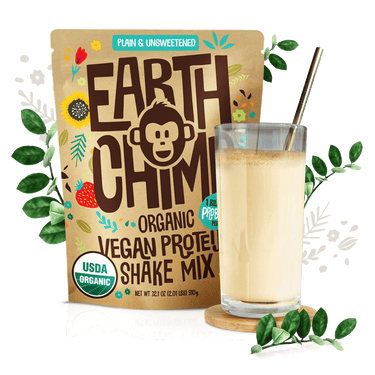
When appetite is low and eating feels like a chore, having an easy protein option can help. EarthChimp's organic vegan protein powder blends smoothly into shakes, smoothies, or oatmeal without adding bulk.
It's made with clean, simple ingredients and mixes easily with water or plant-based milk. On days when solid food feels like too much, a simple protein shake can help you maintain nutrition without forcing a full meal.
Frequently Asked Questions
Why Am I Not Hungry on Ozempic?
Ozempic is a GLP-1 medication that works by reducing appetite and slowing stomach emptying. This means food stays in your stomach longer and you feel full sooner. Reduced hunger is commonly reported by people taking GLP-1 medications, not a side effect. It's one of the primary ways GLP-1 medications support weight loss.
How Do I Force Myself to Eat on Ozempic When I Have No Appetite?
Many people focus on small, manageable portions of easy-to-tolerate foods like yogurt, smoothies, oatmeal, or soup. Start with a few bites and stop when you feel comfortable. Often, the goal is consistent, steady intake rather than forcing full meals when not hungry.
What Are the Best Foods to Eat When You're Not Hungry on Ozempic?
Soft, blended, or liquid foods are often easiest to tolerate when appetite is low. Good options include smoothies, yogurt, oatmeal, chia pudding, light soups, and protein shakes. These foods require less effort to eat and digest. They also make it easier to include protein without increasing portion size.
How Many Meals Should I Eat Per Day on Ozempic?
There's no set number of meals required. What matters is finding an approach that works for you. Some people do well with three smaller meals, while others prefer several mini-meals or high-protein snacks throughout the day. If you're unsure what approach is right for you, a dietitian can offer personalized guidance.
When Should I Talk to a Doctor About My Appetite on Ozempic?
Consider reaching out to your doctor if you experience persistent nausea that prevents eating, very low energy levels, signs of nutritional deficiency, or if you're unable to tolerate most foods for an extended period. A doctor or dietitian can help you adjust your approach or evaluate whether your medication dose needs modification.
References:
-
https://health.clevelandclinic.org/food-noise-and-how-to-stop-it
-
https://www.health.com/7-mistakes-people-make-when-it-comes-to-weight-loss-drugs-8717684
-
https://www.hellomagazine.com/healthandbeauty/health-and-fitness/860056/7-common-mistakes-with-ozempic-and-wegovy-and-how-to-avoid-them/
Disclaimer:
This article is for informational purposes only and is not medical advice. If you're taking Ozempic or any GLP-1 medication, consult your healthcare provider about dietary changes that are right for you.