
Frozen meals can make sense on GLP-1 when they feel practical and easy to tolerate.
One useful place to start is the nutrition label. Some people may look for enough protein, more moderate sodium, vegetables or fiber, and a portion size that feels manageable.
Not every frozen meal will check every box, but some may be a better fit than others.
Key Takeaways
-
Frozen meals can be a helpful backup: On busy days or when cooking feels less realistic, they may offer a quick and practical option.
-
Not all frozen meals are the same: Protein content can vary widely from one meal to another.
-
The label can offer useful context: Some people compare protein, sodium, vegetables, and fiber when looking at frozen meals.
-
Some meals may feel more complete with a simple add-on: A shake, yogurt, or edamame may help if a meal seems a little light.
-
Frozen meals can still have a place: Whole and minimally processed foods are often seen as the stronger foundation, but frozen meals may still work as an occasional backup.
Frozen Meal Options Worth Checking

certain readers are looking for, such as more protein, a more moderate portion size, or a combination of protein and vegetables. Nutrition can still vary quite a bit by brand, product line, and flavor.
Examples often mentioned in the higher-protein category include:
-
Vital Pursuit by Nestlé: A newer frozen meal line developed with GLP-1 users in mind, with an emphasis on smaller portions and higher-protein options.
-
Kevin’s Natural Foods frozen bowls: Single-serve meals that are often positioned as protein-focused, with chicken and beef-based varieties.
-
Saffron Road frozen entrées: Some options are marketed as higher in protein, although the nutrition profile can vary from one meal to another.
-
Real Good Foods entrées: Often described as higher in protein and lower in carbohydrates, though the overall balance still depends on the specific item.
-
Healthy Choice Protein Bowls: Some varieties are positioned as higher-protein frozen meals, but protein amounts are not consistent across the line.
Plant-based options that may also be worth comparing:
-
Amy’s Kitchen: Offers vegetarian and plant-based frozen meals, though protein content can range widely depending on the product.
-
Sweet Earth: A plant-based frozen brand with meatless bowls and entrées that may appeal to readers looking for convenient options.
A few things to keep in mind:
-
Protein content can vary widely, even within the same brand.
-
Some meals may be higher in sodium or lighter on vegetables than others.
-
Availability can also differ depending on the store or region.
This is not meant to be a ranking or an endorsement. It is simply a starting point for comparing frozen meal options that may align more closely with what some people look for while using GLP-1 medications.
When Frozen Meals Can Help
GLP-1 medications are known to affect appetite, and some people also notice that meals feel harder to plan or prepare on certain days.
In that context, frozen meals may offer a more practical option at times because they are:
-
easy to store
-
quick to prepare
-
often pre-portioned
-
sometimes helpful for reducing food waste compared with more perishable ingredients
According to registered dietitian Stephanie Schiff, frozen meals can be considered as an occasional backup for people using GLP-1 medications, rather than a replacement for an overall eating pattern built around less processed foods.
For some people, they may also fit into a broader approach to building a weekly meal plan on GLP-1 that includes both convenience foods and less processed options.
Sometimes, having an easier option on hand may simply make meals feel more manageable.
What to Look for on the Label

When comparing frozen meals, some people start with the nutrition label. It can give a quick sense of what the meal offers.
1. Protein
Protein can vary a lot from one frozen meal to another. Some meals have around 10 grams, while others have 25 grams or more.
Instead of focusing on one protein number per meal, it may be more helpful to look at how much a frozen meal adds to your overall daily intake. The 2025–2030 Dietary Guidelines for Americans suggest 1.2 to 1.6 grams of protein per kilogram of body weight per day, adjusted as needed based on overall calorie needs.
Knowing your daily protein target can make it easier to tell whether a frozen meal feels filling enough on its own or might need something alongside it.
2. Sodium
Frozen meals can sometimes be high in sodium. That is one reason some people compare this number across products.
One common benchmark in frozen meal guidance is under 600 to 700 milligrams of sodium per serving. Still, this is only a general point of comparison, not a strict rule.
3. Fiber and Vegetables
Some meals include vegetables and fiber. These may help the meal feel more balanced or filling. If a meal looks light on vegetables, that may simply be something to note when comparing options.
4. Portion Size
Some frozen meals are smaller than they first appear. Looking at the serving size can give a better sense of how substantial the meal may be.
It does not need to be a perfect meal. It may just need to feel practical and satisfying enough for the moment.
How to Add Protein If a Meal Falls Short
Not every frozen meal will feel like enough on its own. Some are smaller or lighter than others.
If a meal does not seem to be enough, adding something on the side may help make it feel more complete.
Simple add-ons:
-
A side of Greek yogurt
-
A handful of edamame
-
Leftover chicken or rotisserie chicken
-
A can of tuna or beans
-
A protein shake on the side
If frozen meals feel too small on their own, pairing them with small meals with higher protein may also help round out your day.
Sometimes a small addition can make a basic meal feel more balanced and satisfying.
What Makes a Frozen Meal Feel Lighter
On GLP-1, some meals may feel easier to tolerate than others. This can be more noticeable early on or when nausea or fullness is more present.
Options that may feel easier for some people:
-
Lean proteins like chicken, turkey, or fish
-
Meals without heavy cream or cheese sauces
-
Options with vegetables built in
-
Smaller portions when appetite is low
Foods that may feel heavier for some people:
-
Fried foods
-
Large portions
-
Meals that are high in fat
-
Meals with rich or heavy sauces
This does not mean every heavier meal will be a problem. It simply means that lighter options may feel more comfortable for some people, especially when symptoms are more noticeable.
“Lighter” does not have to mean unsatisfying. In this context, it usually refers to meals that feel less heavy or rich.
Limitations of Relying on Frozen Meals
Frozen meals can be useful. But they may not offer the same overall balance as meals made with more whole or minimally processed foods.
Things to keep in mind:
-
Some frozen meals may be lower in fiber.
-
Some may be higher in sodium.
-
Nutrition can vary a lot from one product to another.
Whole and minimally processed foods are often seen as the stronger foundation of an overall eating pattern. Frozen meals may still be helpful when cooking does not feel realistic.
It may be less about perfection and more about having workable options.
When Frozen Meals Make Sense

Frozen meals can be a practical option on GLP-1, especially when cooking feels hard. They are convenient, easy to store, and simple to prepare.
Some people may prefer options with more protein, more moderate sodium, and vegetables when available. If a meal feels a little light, a simple add-on like yogurt, edamame, or a protein shake may make it feel more complete.
Small changes may also make a meal feel more satisfying. That could mean adding a side of vegetables, plating the meal, or pairing it with a salad.
Whole and minimally processed foods are often treated as the stronger foundation of an overall eating pattern. Frozen meals may still have a place, especially on busy days or when cooking feels less realistic.
In that context, convenience can still be part of a balanced approach.
A Note From EarthChimp
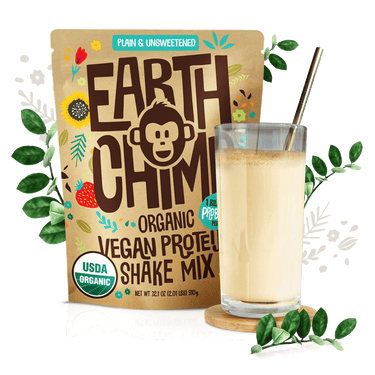
If a frozen meal feels a little light, a shake on the side may be one option to consider.
EarthChimp's organic vegan protein powder blends easily and adds protein without much effort. No complicated prep. Just a simple way to round out a meal when you need it.
Frequently Asked Questions
Are Frozen Meals Okay on GLP-1?
Frozen meals may be a practical option on GLP-1, especially on busy days or when cooking feels hard. They may not offer the same overall balance as meals made with more whole or minimally processed foods, but they can still have a place as an occasional backup.
What Should I Avoid in Frozen Meals on GLP-1?
Some people may find that heavier meals do not sit as well. This may include fried foods, rich sauces, or large portions. Sodium can also be higher in frozen meals, so that is one detail some people compare on the label.
Can I Add Protein to a Frozen Meal?
Sometimes, yes. If a meal does not feel like enough on its own, some people add a side such as Greek yogurt, edamame, leftover chicken, canned beans, or a protein shake.
Are Frozen Meals as Healthy as Whole Foods?
Frozen meals and whole foods are not always serving the same role. Whole and minimally processed foods are often seen as the stronger foundation of an overall eating pattern. Frozen meals may still be useful for convenience, especially when cooking feels less realistic.
References:
-
https://www.healthline.com/health-news/nestle-launches-frozen-food-line-for-people-using-glp-1-drugs
-
https://cdn.realfood.gov/DGA.pdf
-
https://www.eatthis.com/high-protein-frozen-meals/
-
https://www.eatthis.com/frozen-dinners-dietitian-protein/
-
https://honehealth.com/edge/high-protein-frozen-meals/
-
https://blog.myfitnesspal.com/dietitian-recommended-frozen-meals/
-
https://www.mensfitness.com/nutrition/healthiest-frozen-protein-meals
-
https://www.cozymeal.com/magazine/healthiest-frozen-meals
Disclaimer:
This article is for informational purposes only and does not constitute medical or nutritional advice. If you're taking GLP-1 medications, consult your healthcare provider or a registered dietitian for personalized guidance.