
High-protein small meals are ideal when appetite is low, but nutrition still matters. These meals pack more protein into smaller portions, so you can eat less without missing out on nourishment.
Focus on simple, easy-to-portion foods that don't require finishing a full plate.
Key Takeaways
-
Small meals can still be protein-rich: You don't need large portions to get enough protein. Compact, nutrient-dense meals make it easier to get plenty of protein without overeating.
-
Simple formats work better than strict recipes: Quick and easy ideas give you a flexible way to prepare meals that adjust to hunger, time, and preference, making them easier to maintain day to day.
-
Finishing isn't required: High-protein small meals work just as well half-eaten. When fullness hits early, you can stop and still get extra protein without forcing more food.
-
Protein powder adds protein without adding bulk: A single scoop is a practical protein-boosting option that increases protein intake without increasing portion size, especially when appetite is limited.
-
Texture and ease matter: Soft, spoonable, or blendable meals are often easier to eat when energy is low. This includes vegan meals made with plant-based proteins that feel lighter and easier to tolerate.
High-Protein Small Meal Ideas That Work Well With Smaller Appetites

When appetite is reduced, large meals often feel uncomfortable or unfinished. High-protein small meals solve that by packing more nutrition into smaller portions. You can eat less without sacrificing nourishment.
These meals focus on foods that are easy to portion, easy to stop eating, and easy to repeat day to day.
The recipe ideas are not strict recipes. They're simple formats you can adjust based on hunger, time, and preference. If you finish the meal, great. If you stop halfway, that works too. No pressure either way.
1. Soft Scrambled Eggs With Simple Add-Ins
Eggs work well for small meals because they're soft, quick to cook, and naturally protein-dense. A small serving still feels like a complete meal without requiring sides or extra volume.
Keep add-ins minimal so the portion stays light:
-
A handful of leafy greens or mushrooms
-
Fresh herbs
-
Basic seasonings like salt and pepper
One or two eggs are often enough. This keeps the meal easy to finish and avoids turning breakfast into a heavy plate.
2. Hard-Boiled Eggs for Easy Protein
Hard-boiled eggs are a reliable option when you want protein without cooking at the moment you eat. Each egg is a clear, contained portion. This makes them easy to manage when appetite varies.
You can eat them:
-
On their own
-
With a pinch of salt
-
Alongside a few bites of vegetables
There's no need to dress them up. Their simplicity is what makes them effective as a small meal. Sometimes boring is exactly what works.
3. Eggs Paired With Cottage Cheese or Yogurt
Combining eggs with a small amount of cottage cheese or yogurt increases protein density without increasing portion size. This pairing also creates a softer texture that many people find easier to eat when appetite is low.
Simple ways to do this:
-
One scrambled egg with a spoonful of cottage cheese
-
Chopped hard-boiled egg mixed into plain yogurt with herbs
The result is more protein per bite while keeping the meal compact.
4. Yogurt-Based Protein Bowls
Greek-style or Icelandic-style yogurt works well for small meals because it's thick, filling, and slow to eat. Even a modest portion can feel satisfying.
To keep it light:
-
Start with a small scoop of yogurt
-
Add a few berries or seeds
-
Mix in a scoop of protein powder if you want more protein without more food
These bowls often feel closer to dessert than a meal. This can make them easier to tolerate when hunger is low.
5. Savory Cottage Cheese Protein Bowls
Cottage cheese is naturally high in protein and low in volume. This makes it a strong base for small meals. Savory versions tend to feel more meal-like without being heavy.
Good pairings include:
-
Chopped vegetables
-
A small portion of beans or lentils
-
Simple seasonings
You can build these bowls in minutes and adjust portions without committing to a full plate.
6. Tuna and Bean Small Salads
Canned tuna provides fast, concentrated protein with no cooking required. Adding a small amount of beans improves texture and balance without turning the meal into a large serving.
To keep portions manageable:
-
Use more tuna than beans
-
Skip heavy dressings
-
Eat it plain or over a small bed of greens
This format is easy to portion and easy to pause if fullness hits early.
7. Simple Fish Plates With Greens or Toast
Some meals work best when they're barely assembled. Sardines or tuna can be eaten straight from the can or paired with a small amount of greens or toast.
This type of meal:
-
Requires no cooking
-
Keeps portions naturally small
-
Works well when energy is low
It's protein-forward without asking you to eat more than you want. Sometimes the simplest meals are the most sustainable.
8. Pre-Cooked Chicken With Vegetables
Pre-cooked chicken makes it easy to include protein in small meals without starting from scratch. The key is using less chicken than you think you need and pairing it with one vegetable.
Examples:
-
A few slices of chicken with roasted vegetables
-
Chicken added to a small salad
Cooking once and portioning later keeps meals flexible instead of feeling too strict.
For more low-effort options, you can check our best protein snacks for GLP-1 users.
8 Simple High-Protein Small Meal Recipes With Protein Powder

High-protein small meals don’t always look like traditional plates of food. Protein powder makes it easier to build satisfying meals in smaller portions, sometimes in soft, spoonable formats. Each recipe is designed to provide meaningful protein in a compact form that can be eaten slowly and adjusted based on appetite.
1. Protein-Packed Yogurt Bowl
Prep time: 5 minutes
Looking for a small meal that feels more like a treat than a task? This protein-packed yogurt bowl is quick to assemble, easy to portion, and simple to adjust based on your appetite. It works well as a light breakfast, a gentle lunch, or a meal when you want something you can eat slowly.
Ingredients
-
3/4 cup yogurt of choice
-
1-2 scoops protein powder
-
Fresh fruit of choice
-
Optional toppings: granola, nut butter, seeds
How to Make It
-
Add the yogurt to a bowl.
-
Stir in the protein powder until smooth and well combined.
-
Top with fruit and any optional extras you enjoy.
-
Give it a gentle stir, or leave the toppings on top for texture.
That’s it. Grab a spoon and eat at your own pace. This bowl works just as well when half-finished as when fully eaten, making it a solid option when appetite varies.
See the full recipe and variations
2. Mango Banana Pudding
Prep time: 5 minutes (plus chilling time)
If you want a small meal that feels cool, creamy, and easy to eat, this mango banana pudding fits the bill. It’s lightly sweet, naturally filling, and works well when you’d rather eat something soft and slow instead of a full plate. This is a good option for mornings or anytime appetite feels lower.
Ingredients
-
2 tablespoons coconut yogurt
-
3/4 cup vanilla almond milk
-
2 to 3 tablespoons chia seeds
-
1 scoop protein powder
-
Fresh mango or banana slices
-
a small drizzle of honey (optional)
How to Make It
-
Add the coconut yogurt and almond milk to a bowl or jar.
-
Stir in the chia seeds and protein powder until fully combined.
-
Add a small drizzle of honey if you want extra sweetness.
-
Cover and refrigerate for at least 4 hours, or overnight, until thick and pudding-like.
-
Stir once more before serving and top with mango or banana slices.
Spoon it slowly and stop when you’re comfortably full. This pudding works just as well half-eaten as it does fully finished, which makes it a solid small-meal option when appetite varies.
3. Potato Protein Oat Bowl
Prep time: 3 to 5 minutes
This potato protein oat bowl is warm, comforting, and surprisingly easy to eat in a small portion. The combination of soft oats and mashed sweet potato creates a creamy texture that feels filling without being heavy. It works well as a light breakfast or a small meal when you want something warm and steady.
Ingredients
-
Cooked sweet potato
-
Rolled oats
-
1-2 scoops protein powder
-
Soy milk or milk of choice
-
Cinnamon
-
Ground flax
-
Maple syrup
How to Make It
-
Add the cooked sweet potato to a bowl and mash until smooth.
-
Stir in the oats, protein powder, cinnamon, ground flax, maple syrup, and milk.
-
Microwave for 2 to 3 minutes, stirring once if needed.
-
Let it cool slightly before eating.
All set. Eat it warm and stop when you feel comfortably full. This bowl is easy to portion and works just as well when you don’t finish the entire serving.
4. Choc Protein French Toast
Prep time: 10 minutes
This choc protein French toast hits that comfort-food sweet spot without feeling heavy. It’s soft, lightly spiced, and easy to portion, which makes it a good choice when you want something warm and familiar but don’t feel like eating a full plate. It works well for slow mornings or shared meals where a few slices are enough.
Ingredients
-
1 scoop protein powder
-
A splash of almond milk or any plant-based milk
-
1 egg (or a flax egg for a vegan option)
-
A dash of cinnamon
-
Bread slices, such as sourdough or whole grain
-
Fresh berries for topping
How to Make It
-
In a shallow bowl, whisk together the milk, egg or flax egg, protein powder, and cinnamon until smooth.
-
Dip each bread slice into the mixture, coating both sides.
-
Cook on a lightly greased pan over medium heat until golden on both sides.
-
Serve warm and top with fresh berries.
Enjoy a few slices while they’re warm and stop when you feel comfortably full. With added protein from both the batter and the egg, this version works as a high-protein small meal rather than a traditional sweet breakfast.
5. Pumpkin Spice Chia Pudding
Prep time: 10 minutes (plus chilling time)
This pumpkin spice chia pudding is creamy, lightly spiced, and easy to enjoy in a small portion. The texture is soft and spoonable, which makes it a good choice when you want something comforting without feeling heavy. It works well as a gentle breakfast or a lightly sweet meal later in the day.
Ingredients
-
1/3 cup pumpkin purée
-
1 cup coconut-based yogurt
-
1 scoop protein powder
-
3 tablespoons chia seeds
-
1/2 teaspoon pumpkin spice
-
1/2 teaspoon nutmeg
-
Cinnamon to taste
-
Maple syrup, to taste
-
Optional toppings: nut butter, seeds, or dark chocolate pieces
How to Make It
-
Add the pumpkin purée, yogurt, protein powder, pumpkin spice, nutmeg, and cinnamon to a bowl or jar.
-
Stir until smooth and evenly combined.
-
Mix in the chia seeds, making sure they’re well distributed.
-
Let the mixture rest for 5 to 10 minutes, then stir again to prevent clumping.
-
Cover and refrigerate for at least 2 hours, or overnight, until thick and set.
-
Before serving, add a light drizzle of maple syrup and any toppings you enjoy.
Take it one spoonful at a time and pause when you feel satisfied. This pudding keeps well, so it’s easy to save the rest for later if your appetite changes.
6. Choco Chia Seed Protein Pudding
Prep time: 5 minutes (plus chilling time)
This choco chia seed protein pudding may taste like dessert, but it’s built to work as a compact, protein-forward small meal. It’s rich, chocolatey, and smooth, with a texture that’s easy to eat slowly when appetite is light. This one fits nicely as a gentle breakfast, an afternoon bite, or a sweet-leaning meal you don’t have to rush.
Ingredients
-
1 cup plant-based milk
-
1/4 cup chia seeds
-
1 scoop protein powder
-
1 to 2 tablespoons maple syrup
-
1 teaspoon vanilla extract
How to Make It
-
Add all ingredients to a blender or bowl and mix until smooth and well combined.
-
Transfer to a jar or container and cover.
-
Refrigerate overnight, or until thick and set.
-
Stir well before serving.
Serve it chilled and take it one spoonful at a time. A few bites can be enough, and the rest keeps well if you want to save it for later.
See the full recipe and variations
7. PB Banana Protein Oatmeal
Prep time: 5 minutes
This PB banana protein oatmeal is warm, comforting, and easy to pull together when time is short. The oats stay soft, the peanut butter adds richness, and the banana brings natural sweetness without making the bowl feel heavy. It works well as a small breakfast or a steady, spoonable meal you can take your time with.
Ingredients
-
Rolled oats
-
Plant-based milk
-
1 scoop protein powder
-
Peanut butter
-
Banana, sliced
How to Make It
-
Add the oats, milk, protein powder, and peanut butter to a microwave-safe bowl.
-
Microwave for about 30 seconds, then stir well.
-
Top with sliced banana before serving.
Serve warm and start with a few spoonfuls. You can stop when you feel satisfied and come back to it later if needed, which makes this bowl easy to work into lighter mornings.
8. Green Protein Smoothie Bowl
Prep time: 5 minutes
This green protein smoothie bowl is cool, creamy, and easy to enjoy when you want something light but nourishing.
The frozen fruit and vegetables create a smooth texture that’s gentle to eat, while the protein powder helps make a small portion feel more complete. It works well as a refreshing breakfast or a small meal when appetite feels lower.
Ingredients
-
1 frozen banana
-
About 1 cup frozen cauliflower
-
A handful of spinach
-
1 scoop protein powder
-
Nondairy milk
-
Optional: a small amount of sweetener
How to Make It
-
Add the frozen banana, frozen cauliflower, spinach, protein powder, and nondairy milk to a blender.
-
Blend until smooth and creamy, adding more milk as needed for your preferred consistency.
-
Taste and add a small amount of sweetener if desired, then blend again.
-
Pour into a bowl and add any toppings you enjoy, or transfer to a glass if you prefer it drinkable.
Enjoy it slowly and pause when you feel satisfied. This bowl is easy to adjust in thickness and portion size, which makes it a flexible option when hunger varies.
If you’re looking for more drinkable options, you can also check our protein shakes for Ozempic users.
Tips for Making High-Protein Small Meals Work for You

Building high-protein small meals into your routine doesn't have to be complicated. A few simple habits can make it easier to stay consistent, even when appetite varies.
1. Keep Protein Options Visible and Ready
When protein is easy to grab, you're more likely to eat it. Keep hard-boiled eggs in the fridge. Store pre-cooked chicken in clear containers. Leave protein powder on the counter.
If you have to search for protein or prep it from scratch every time, it's easier to skip.
2. Start With Protein, Not Sides
When you sit down to eat, start with the protein portion first. Fullness can hit quickly on GLP-1 medications. If you save protein for last, you might not get to it.
Eating protein first ensures you get the most important part of the meal before appetite fades.
3. Don't Force Full Portions
High-protein small meals are designed to be flexible. If you can only eat half, that's fine. Save the rest for later or let it go.
The goal is steady protein intake over time, not perfect meals every time. Give yourself permission to stop when you're full.
4. Use Protein Powder to Fill Gaps
On days when solid food feels like too much, protein powder can help. Add it to a smoothie, stir it into yogurt, or mix it with oats.
It's a low-effort way to boost protein without adding volume or requiring much preparation.
High-Protein Small Meals Make Eating Easier When Appetite Is Low
Getting enough protein doesn't require big meals or complicated plans. High-protein small meals let you eat less while still supporting your body with the nutrition it needs.
The key is choosing foods that are easy to portion, easy to finish, and easy to repeat. Eggs, yogurt, cottage cheese, fish, and protein powder all work well in smaller servings. You can mix and match based on what sounds good and what your appetite allows.
Some days you'll finish a meal. Other days you won't. Both are fine. What matters is steady protein intake over time, not perfection at every meal.
When you keep meals small, simple, and protein-focused, eating feels less like a task and more like something you can actually manage.
A Note From EarthChimp

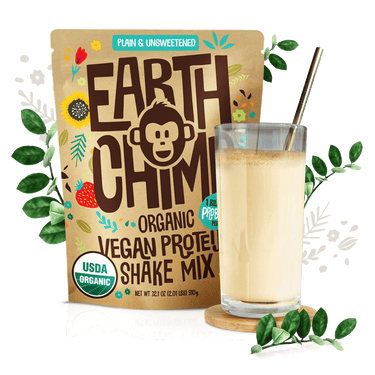
When appetite is low and meals feel like a challenge, having a simple protein option can help. EarthChimp's organic vegan protein powder blends easily into small meals, smoothies, or bowls without adding bulk.
It's made with clean, simple ingredients and works well when you need protein that's easy to include and easy to finish.
Frequently Asked Questions
What Are High-Protein Small Meals?
High-protein small meals are compact, protein-rich portions. They deliver nutrition without requiring large servings.
These meals focus on foods like eggs, yogurt, cottage cheese, fish, and protein powder. They pack more protein into fewer bites, which matters because muscle loss can happen on Ozempic when overall intake is lower.
Why Are Small Meals Better When Appetite Is Low?
Small meals are easier to tolerate when appetite is reduced. They don't trigger the same fullness or discomfort that large meals can cause. This makes it easier to eat consistently and meet your protein needs over time.
Can I Get Enough Protein From Small Meals?
Yes. By choosing protein-dense foods and spreading intake across the day, you can meet your protein needs without eating large portions. Adding protein powder to meals can also help boost intake without increasing volume.
How Do I Know If I'm Getting Enough Protein?
A general guideline is about 1.2 grams of protein per kilogram of body weight per day. For a 150-pound person, that's roughly 80-85 grams daily. Focus on including protein at each eating opportunity rather than hitting an exact number every day.
Reference:
-
https://nutritionsource.hsph.harvard.edu/2026/01/09/dietary-guidelines-for-americans-2025-2030/
Disclaimer:
This statement has not been evaluated by the Food and Drug Administration. This product is not intended to diagnose, treat, cure, or prevent any disease.