
A simple way to track protein on GLP-1 is to use whatever level of awareness feels manageable, whether that means an app, a quick label check, or a protein-first habit at meals. It does not need to be exact or long-term.
The point is to notice patterns, build awareness over time, and get a better sense of your usual intake.
Key Takeaways
-
Some people on GLP-1 may end up eating less protein than they realize: When appetite drops, protein intake can drop with it.
-
Tracking can be simple: A quick mental check, a glance at a label, or a few days of logging can still build awareness.
-
There's no single right method: Apps, hand portions, and labels can all offer different ways to keep protein on your radar.
-
The goal is awareness, not perfection: The focus is on noticing patterns, not tracking with precision.
-
Tracking may not need to be long-term: For some, a short period of tracking is enough to get a better sense of their usual intake.
Why Some People Find Tracking Helpful
When you're eating less, it's easy to assume you're still getting enough protein. But portions shrink. Meals get lighter. Snacks disappear.
A few days of tracking may help some people notice whether there’s a gap. Not to stress you out. Just to show you what's actually happening.
This may be more noticeable in the early weeks for some people, when appetite drops and food intake changes. For people who want a clearer picture early on, tracking may be one way to build awareness.
Some people are surprised by how little protein they may be getting.
It's not about hitting a perfect number. It's about noticing patterns. Once you have a better sense of where things stand, it may feel easier to spot what is or isn't working for you.
A Few Ways to Keep Track

There's no single right way to track protein. Some people like detail. Others want something quick and easy. Here are a few approaches.
1. Using an App
Apps like MyFitnessPal, Cronometer, or Lose It let you log what you eat. You can scan barcodes. Search for foods. See your totals at the end of the day.
This method can offer the clearest picture for people who want more detail. It may make it easier to estimate how much protein you're getting and notice patterns over time.
-
Works well for: People who like seeing the numbers. People who want accuracy.
-
May not work for: People who find logging tedious. People who get stressed by tracking.
Even a few days of logging may help some people notice patterns they had not paid attention to before.
2. The Hand-Portion Method
This one is simple. Your palm is roughly one serving of protein.
No apps. No counting grams. Just a quick visual check at each meal. If there's a palm-sized portion of protein on your plate, that may offer a simple reference point for the meal.
It's not precise. But for some people, that simplicity can make it easier to stick with.
-
Works well for: People who want something simple. People who eat whole foods with clear portions.
-
May not work for: Mixed dishes like casseroles or soups. Liquids like shakes or smoothies. Foods where protein isn't obvious.
3. Reading Labels and Mental Tallying
This approach sits in the middle. You check the protein grams on packages. You keep a loose count in your head throughout the day.
No app required. Just a bit of attention.
Over time, you start to learn which foods give you more protein. You build awareness without formal tracking.
-
Works well for: People who eat packaged foods with labels. People who want a middle ground.
-
May not work for: Home-cooked meals without clear portions. Eating out. People who lose track easily.
Even rough tracking can still give you useful information.
4. The Protein-First Check
This isn't tracking in the traditional sense. It's a habit.
Before you eat, ask yourself: "Where's the protein in this meal?"
For some people, that quick check feels like enough. If not, they may choose to include a protein source, such as an egg, yogurt, or a handful of nuts.
This works well for people who dislike numbers. It keeps protein on your radar without logging anything. For those days when appetite drops more than expected, this simple check can help.
-
Works well for: People who dislike tracking. People who prefer habits over data.
-
May not work for: People who want a clearer picture of totals.
Keeping It Simple

Tracking doesn't have to be a long-term commitment. Even a few days may be enough to notice general patterns.
A simple starting point can be logging for three or four days, just to get a sense of what protein intake looks like. From there, it may become clearer whether continuing feels useful.
Focus on patterns, not single meals. One low-protein day doesn't matter much. A pattern of low-protein days does.
If one method feels like too much, a different approach may feel easier to manage. Apps work for those who want more detail, while labels or a simple protein-first check may feel easier to maintain.
Some track closely for two or three weeks, then ease off. Once protein sources and usual intake start to feel more familiar, logging every bite may not feel necessary.
The goal is information, not pressure.
When It Feels Harder Some Weeks
Motivation comes and goes. That's normal.
Some weeks, tracking feels easy. You're in a rhythm. You know what you're eating. Other weeks, it feels like a chore. You forget. You skip meals. You lose track.
This doesn't mean you're failing. Some weeks are just harder than others. A few off days don't undo your progress. What matters is the overall pattern, not every single day.
What helps some people:
Keeping things simpler on harder days. A quick mental check may feel more manageable than logging everything.
Some people like having a few go-to protein options available. Foods they know. Foods that feel easy. When thinking feels harder, familiar defaults can take some pressure off. It may also help to keep foods that tend to feel easier on the stomach on hand for those days.
An off day does not necessarily mean the rest of the week has to follow the same pattern.
When You Might Not Need to Track

Tracking isn't for everyone. And it's not always necessary.
You might not need to track if:
-
You're already eating protein at most meals and feeling good. If protein is part of your routine, you may not need to count it.
-
Tracking feels stressful or obsessive. For some people, logging food creates anxiety. In that case, a simpler approach may feel more comfortable.
-
You've tracked before and know your patterns. Once you've built awareness, you can often rely on habits instead of data.
Some people skip formal tracking entirely. They simply make sure protein is part of each meal. That may feel like enough for some people.
Tracking is a tool. Not a rule.
A Note From EarthChimp
One thing that makes tracking easier is consistency. Foods with clear labels take the guesswork out.
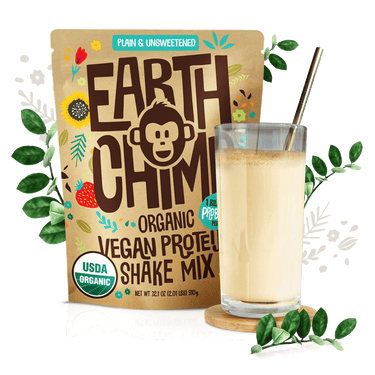
A scoop of EarthChimp's organic vegan protein powder has a set amount of protein. No estimating. No mental math. Just a number you can count on.
On days when appetite is low, a shake may feel like a simpler option for some people. The protein amount is clear, which can make it easier to keep track without much extra effort.
Frequently Asked Questions
Do I Need to Track Protein on GLP-1?
Not necessarily. But some people find a few weeks of tracking helpful for building awareness. Once they know their patterns better, they may rely less on formal logging.
What's the Easiest Way to Track?
It depends on the person. Apps offer more detail. Hand portions keep things simple. Labels can offer a middle ground. Different approaches may feel easier for different people.
What if Tracking Feels Stressful?
A simpler method may feel better for some people. Others may decide not to track at all. The goal is awareness, not anxiety. If tracking adds stress, it may not be the most helpful tool for that person.
Can I Just Eat Protein at Every Meal Instead of Tracking?
For some people, yes. A protein-first approach may feel simpler than counting grams, especially if protein is already part of most meals.
References:
-
https://www.precisionnutrition.com/hand-portion-math-to-track-macros
-
https://blog.myfitnesspal.com/how-myfitnesspal-supports-glp1-journey/
-
https://health.clevelandclinic.org/how-long-does-it-take-for-glp-1s-to-suppress-appetite
Disclaimer:
This article is for informational purposes only and is not medical or nutrition advice. GLP-1 medications can affect people differently. For personalized guidance, speak with your healthcare provider or a registered dietitian.