
Breakfast feels different on Ozempic. Your appetite is smaller. Full plates feel overwhelming. And some mornings, you're just not hungry at all.
That's normal. Many people still look for ways to include protein even when portions become smaller.
High-protein breakfasts that are compact and easy to adjust can feel more manageable for some people using Ozempic. Think smoothie bowls, yogurt with protein powder, chia pudding, oats, or protein pancakes. Small, flexible, and protein-focused.
Key Takeaways
-
Smaller, protein-rich breakfasts are easier to manage on GLP-1 medications: Ozempic and other GLP-1 medications are commonly associated with reduced appetite and earlier feelings of fullness. Compact meals that include protein are easier to portion than large or heavy breakfasts.
-
What you eat matters more when appetite decreases: When you're eating less overall, including protein within familiar foods like oats, yogurt, smoothies, or pancakes helps create balanced breakfasts without increasing volume.
-
Skipping breakfast is common but may not work for everyone: Reduced morning hunger on GLP-1 medications can make skipping feel natural. However, very long gaps between meals may lead to discomfort or nausea for some people.
-
Portion awareness helps you respond to fullness cues: Serving modest amounts first and adding more only if desired helps align breakfast with your body's changing appetite signals.
9 High-Protein Breakfast Recipes

GLP-1 medications like Ozempic reduce appetite and make you feel full faster. Meal sizes shrink. Some mornings, even a small breakfast feels like a lot.
These recipes are designed for exactly that. Each one is compact, protein-rich, and easy to adjust based on how you feel. Pick one that sounds good. Eat what you can. Save the rest if you need to. No pressure to clean your plate.
1. Chia Seed Pudding
Chia seed pudding is a prepare-ahead breakfast with a soft texture and modest portion size. It combines chia seeds, plant-based milk, and protein powder into a compact meal. For people on Ozempic or other GLP-1 medications, this format works well because it can be made the night before and adjusted based on morning appetite.
Ingredients
-
2 tbsp chia seeds
-
1/3 cup almond milk (or other non-dairy milk)
-
1/2 scoop vanilla plant-based protein powder
-
Strawberries or fruit of choice
Why This Works for GLP-1 Users
-
Portion size stays small
-
Protein is included in a compact format
-
Texture is soft rather than dense
-
Can be prepared in advance for easy mornings
Check the full instructions of the Chia Seed Pudding recipe.
2. Protein Pancakes
Protein pancakes incorporate plant-based protein powder into a familiar breakfast format using blended oats and banana. For people on GLP-1 medications like Ozempic, pancakes work well because you can control portion size easily. Eat one or two pancakes and save the rest for later if fullness sets in.
Ingredients
-
2 ripe bananas (mashed)
-
1 cup oats (blended into flour)
-
2 cups plant-based milk (such as almond or oat)
-
2 scoops of chocolate plant-based protein powder
-
Fresh strawberries (for topping)
-
Almond butter or maple syrup (optional drizzle)
Why This Works for GLP-1 Users
-
Protein is built into a traditional breakfast format
-
Portion size is easy to adjust based on appetite
-
Can be paired with fruit for balance
-
Ingredients are simple and customizable
This recipe makes multiple servings. Portion based on your appetite and fullness cues.
Check the full instructions of the Protein Pancakes recipe.
3. High-Protein Tropical Smoothie Bowl
A tropical smoothie bowl blends frozen fruit with plant-based protein powder into a thick, spoonable base. For people taking Ozempic or other GLP-1 medications, smoothie bowls are helpful because the texture is soft, the format is compact, and you can stop eating whenever fullness hits.
Ingredients
-
2.5 cups frozen tropical fruit (banana, mango, and pineapple)
-
1/4 to 1/2 cup coconut cream (or nut milk or coconut water)
-
1–2 scoops vanilla plant-based protein powder
Optional toppings:
-
Frozen mango chunks
-
Fresh sliced strawberries
-
Vegan-friendly granola
-
Hemp hearts
-
Dark chocolate chips
-
Peanut butter
-
Drizzle of maple syrup
Why This Works for GLP-1 Users
-
Protein is blended into a compact, spoonable format
-
Toppings can be customized based on preference
-
Texture is thick but soft rather than dense
-
Ingredients can be adjusted to create a lighter or richer bowl
Start with a smaller portion of the base and add toppings gradually. GLP-1 medications cause earlier fullness, so you can always save the rest for later.
Check the full instructions of the High-Protein Tropical Smoothie Bowl recipe.
4. Choc Protein French Toast
Chocolate protein French toast transforms a comfort breakfast into a protein-rich option using plant-based protein powder and warm spices. For people on GLP-1 medications like Ozempic, French toast works well because you can eat one slice at a time and stop when you feel full.
Ingredients
-
1 scoop of chocolate plant-based protein powder
-
A splash of almond milk (or other plant-based milk)
-
1 egg (or flax egg for a plant-based version)
-
A dash of cinnamon
-
Bread slices (such as sourdough or whole grain)
-
Berries (for topping)
Why This Works for GLP-1 Users
-
Protein is built into a familiar breakfast dish
-
Can be paired with fruit for balance
-
Ingredients are simple and adaptable
-
Easy to portion one slice at a time
This recipe makes multiple slices. Serve one piece at a time rather than plating several at once.
Check the full instructions of the Choc Protein French Toast recipe.
5. Protein Oats in a Jar
Protein oats in a jar is a layered oat and yogurt breakfast prepared in advance and stored in a jar for convenience. It combines oats, plant-based yogurt, and protein powder into a creamy, ready-to-eat option. For people taking Ozempic or other GLP-1 medications, overnight oats are helpful because there's no morning prep required and you can eat as much or as little as your appetite allows.
Ingredients
-
1 cup oats
-
1/2 cup plant-based yogurt (such as almond or coconut yogurt)
-
1 scoop chocolate plant-based protein powder
-
1/4 cup coconut milk (or other non-dairy milk)
-
1/2 banana, sliced
-
A handful of vegan chocolate chips
-
A dash of pumpkin spice
Why This Works for GLP-1 Users
-
Prepared in advance for zero-effort mornings
-
Combines protein with familiar breakfast ingredients
-
Texture is soft and spoonable
-
Can be customized with different toppings
This recipe uses a full cup of oats along with yogurt and milk. If your appetite is reduced, start with a smaller portion and save the rest for later.
Check the full instructions of the Protein Oats in a Jar recipe.
6. PB Banana Protein Oatmeal
PB banana protein oatmeal is a warm oatmeal bowl made with oats, plant-based milk, protein powder, and peanut butter. It combines familiar comfort ingredients into a quick, microwave-friendly breakfast. For people on GLP-1 medications like Ozempic, warm oatmeal can be easier for some people to eat in smaller amounts because of its soft texture.
Ingredients
-
2 cups oats
-
2 cups plant-based milk
-
1 scoop chocolate plant-based protein powder
-
1 spoon peanut butter
-
1 banana (sliced)
Why This Works for GLP-1 Users
-
Combines protein with a traditional hot breakfast
-
Prepared quickly in the microwave
-
Includes carbohydrate and fat sources for balance
-
Toppings can be adjusted based on preference
This recipe uses a larger quantity of oats and milk. Divide it into two smaller bowls or reduce the base amount to match your morning appetite.
Check the full instructions of the PB Banana Protein Oatmeal recipe.
7. Protein-Packed Yogurt Bowl
A protein-packed yogurt bowl is a quick breakfast that incorporates plant-based protein powder into yogurt with customizable toppings. It can be assembled in minutes and adjusted based on appetite. For people taking Ozempic or other GLP-1 medications, yogurt bowls work well because the portion size is flexible and the texture is easy to eat.
Ingredients
-
3/4 cup yogurt (any variety)
-
1–2 scoops of chocolate plant-based protein powder
-
Granola (optional)
-
Fruit of choice
-
Peanut butter drizzle
Why This Works for GLP-1 Users
-
Combines protein with a familiar, ready-to-eat base
-
Quick to prepare with no cooking required
-
Toppings can be adjusted for variety
-
Portion size is easy to modify
Start with one scoop of protein and lighter toppings. Add more only if you're still hungry. Start small and see how you feel.
Check the full instructions of the Protein-Packed Yogurt Bowl recipe.
8. Sweet Potato Protein Oat Bowl
A sweet potato protein oat bowl is a warm breakfast made with mashed sweet potato, plant-based milk, protein powder, and spices. It blends naturally sweet and earthy flavors into a soft-textured meal. For people on GLP-1 medications like Ozempic, this bowl works well because the texture is gentle and the natural sweetness satisfies without being heavy.
Ingredients
-
Sweet potato
-
Oats
-
Vanilla plant-based protein powder
-
Cinnamon
-
Ground flax
-
Pure maple syrup
-
Soy milk
Why This Works for GLP-1 Users
-
Combines protein with fiber-rich ingredients
-
Warm and soft in texture
-
Sweetness and spice can be adjusted to taste
-
Works well as a single-bowl meal
This recipe combines oats and sweet potato, which creates a hearty texture. Use a smaller portion of oats or divide the bowl into two servings based on your appetite.
Check the full instructions of the Sweet Potato Protein Oat Bowl recipe.
9. Green Protein Smoothie Bowl
A green protein smoothie bowl blends frozen fruit, vegetables, plant-based protein powder, and non-dairy milk into a thick, spoonable base. It can also be thinned into a drinkable smoothie if preferred. For people taking Ozempic or other GLP-1 medications, green smoothie bowls are helpful because they include vegetables in an easy-to-consume format and can be adjusted to any consistency.
Ingredients
-
1 frozen banana
-
About 1 cup frozen cauliflower
-
1–2 scoops vanilla plant-based protein powder
-
Spinach
-
1–2 cups non-dairy milk
-
Optional: monk fruit sweetener
Why This Works for GLP-1 Users
-
Protein is blended into a smooth, easy-to-eat format
-
Includes both fruit and vegetables in one bowl
-
Texture can be adjusted by changing the liquid amount
-
Can be served as a bowl or a drink
The consistency depends on how much milk you use. Start with a smaller bowl or make it as a thinner smoothie if a lighter texture feels easier to manage.
Check the full instructions of the Green Protein Smoothie Bowl recipe and other high-protein smoothie recipes for GLP-1 users.
Common Breakfast Patterns to Watch For on Ozempic

GLP-1 medications are commonly associated with changes in appetite and fullness signals. These changes often shift breakfast habits in ways that aren't always helpful.
Here are common patterns people experience while using GLP-1 medications. Think of them as things to be aware of, not things to stress about.
1. Skipping Protein at Breakfast
When appetite is reduced on GLP-1 medications, breakfast often becomes lighter or smaller. This can lead to meals that consist mainly of coffee, fruit, or simple carbohydrates with little protein.
Protein matters more when meals are smaller because you have fewer eating opportunities throughout the day. Including protein within a modest portion, such as in yogurt, oats, pancakes, or smoothies, is one approach some people use when building smaller breakfasts.
The goal is not to eat more. It's to be intentional about what you include.
2. Skipping Breakfast Entirely
Many people skip breakfast simply because hunger cues are lower than usual.
However, some people find that going long periods without eating doesn't feel great, particularly if nausea is already present. Having a small, simple breakfast earlier in the day is often easier than waiting until hunger becomes stronger later on.
Lighter options like smoothies or yogurt bowls may feel easier for some people when appetite is reduced. Do what works for you.
3. Eating More After Long Gaps Between Meals
Long gaps between meals can lead to eating larger amounts once hunger finally returns. Some people find that spacing meals more evenly throughout the day feels steadier.
Including protein in smaller breakfasts may help some people spread their intake more gradually throughout the day. Some people find this approach easier than skipping meals and eating larger amounts later.
4. Eating Very Heavy or High-Fat Meals Early
GLP-1 medications cause earlier fullness. Heavier breakfasts may feel harder to finish for some people when appetite is lower. This doesn't mean fats should be eliminated from breakfast.
Others prefer to distribute richer foods across multiple meals rather than eating them all at breakfast.
5. Not Noticing Fullness Cues
Earlier fullness is commonly reported by people using GLP-1 medications. Continuing to eat beyond that point may not feel good for some.
Some people start with smaller portions and add more only if they still feel hungry. Your body is giving you information.
It's okay to listen.
Choosing a Protein Powder for GLP-1 Friendly Breakfasts

When you're taking Ozempic or another GLP-1 medication, your appetite is reduced, and meals are smaller. That can make getting enough protein on Ozempic more intentional than before. Protein powder is a practical way to add protein to compact breakfasts without increasing portion size.
Here’s what to consider when choosing a protein powder for GLP-1-friendly breakfasts.
Digestibility
Different protein powders vary in how they feel in your digestive system. Because eating patterns may change on GLP-1 medications, some people prefer protein powders that blend smoothly into liquids or soft foods.
Look for:
-
Powders that dissolve well in milk or water
-
Options that mix easily into oats or smoothie bowls
Choose a powder that integrates well with your preferred breakfast format. This can make preparation simpler and easier to incorporate into breakfast routines.
Texture
Texture affects how satisfying or tolerable a breakfast feels, especially when appetite is lower on GLP-1 medications. Some powders produce a smoother, creamier result, while others are grainier or thicker.
Consider how a powder behaves when mixed into:
-
Smoothies
-
Yogurt
-
Oatmeal
-
Pancake batter
Match the texture to what feels comfortable for you in the morning.
Minimal Additives
Protein powders can include sweeteners, flavorings, and thickening agents. Some people prefer simpler ingredient lists when choosing protein powders, especially when appetite or digestion feels different on GLP-1 medications.
Check the nutrition panel and ingredient list. Look for options that align with your preferences around flavor and simplicity.
Organic Plant-Based Options
Plant-based protein powders are available in flavors like vanilla, chocolate, or unflavored. Plant-based formats align with vegetarian or vegan eating patterns and often feel lighter than whey-based options.
Plant-based protein powders mix easily into breakfast foods like smoothie bowls, yogurt, and oat-based recipes.
Practical Considerations
There is no single answer to the best protein powders for GLP-1 users. Preferences, digestion, and tolerance to texture can vary from person to person.
When choosing a powder for GLP-1-friendly breakfasts:
-
Think about how it mixes with your favorite breakfast foods
-
Decide whether you prefer flavored or unflavored options
-
Consider your texture preferences
-
Look for simple ingredient lists if that matters to you
The best choice depends on your personal preference and how the powder integrates into meals you enjoy. Find what works and stick with it.
A Note From EarthChimp

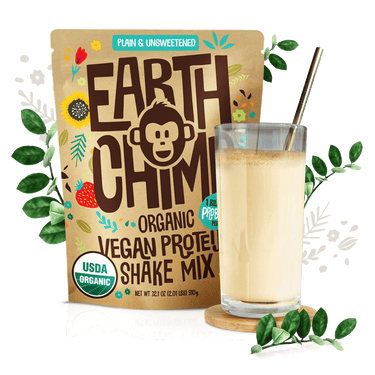
If you're looking for a protein powder that fits easily into GLP-1-friendly breakfasts, EarthChimp's organic vegan protein powder is designed to blend smoothly into smoothies, oats, yogurt bowls, and more.
It's made with clean, simple ingredients and no artificial additives. The texture is light and easy to mix, which can make mornings simpler when appetite is lower.
Frequently Asked Questions
What Is a Good High-Protein Breakfast for Someone on Ozempic?
Many people prefer high-protein breakfasts that are compact and easy to portion when appetite is reduced. Options like yogurt bowls with protein powder, chia pudding, smoothie bowls, or protein oatmeal work well. These formats allow you to adjust portion size based on your appetite, which is important because GLP-1 medications like Ozempic reduce hunger and cause earlier fullness.
Should I Eat Breakfast If I'm Not Hungry on Ozempic?
Not feeling hungry is common on Ozempic. Some people skip breakfast and feel fine. Others do better with something small. The key is figuring out how you can eat when you are not hungry without forcing a full meal. If waiting too long leaves you feeling off later, a light, simple breakfast can feel easier.
How Can I Add More Protein to My Breakfast Without Eating More Food?
Protein powder is one way to add protein to breakfast without significantly increasing portion size. You can stir it into yogurt, blend it into smoothies, or mix it into oatmeal or pancake batter. One scoop typically adds 20-25 grams of protein without significantly increasing the volume of your meal. This is especially helpful when GLP-1 medications like Ozempic reduce your appetite.
What Should I Avoid Eating for Breakfast on Ozempic?
There are no strict rules, but very heavy, greasy, or high-fat breakfasts often feel uncomfortable when you're on GLP-1 medications. Ozempic slows gastric emptying and causes earlier fullness, so large or rich meals can sit heavily in your stomach.
Starting with lighter, protein-focused options and adjusting based on how you feel is usually a more manageable approach.
References:
-
https://www.ambarinutrition.com/blogs/health-and-weight-loss-journal/the-importance-of-a-high-protein-diet-while-on-ozempic
-
https://www.joinmidi.com/post/what-to-eat-on-ozempic
-
https://www.health.com/7-mistakes-people-make-when-it-comes-to-weight-loss-drugs-8717684
Disclaimer:
This article is for informational purposes only and is not medical advice. If you're taking Ozempic or any GLP-1 medication, consult your healthcare provider about dietary changes that are right for you.