
On GLP-1 medications like Ozempic, it's easy for protein intake to drop without you noticing. But your body notices.
Some people notice patterns like persistent fatigue, feeling unsatisfied after meals, slower recovery from physical activity, changes in hair or nails, and simply eating much less than before when protein intake drops.
When meals become smaller, protein intake sometimes drops as well.
Key Takeaways
-
Fatigue and low energy can signal insufficient protein: Protein supports tissue repair, muscle maintenance, and basic metabolic functions. When intake drops on GLP-1 medications, persistent tiredness is often one of the first patterns people notice.
-
Feeling unsatisfied after meals may reflect low protein density: Even with reduced appetite, meal composition still matters. If meals are mostly carbohydrates or very light, you may feel "off" shortly after eating.
-
Slower recovery and reduced strength are worth noting: Protein supports muscle repair during weight loss. If everyday tasks feel harder or recovery takes longer, your protein intake may have dropped along with your portions.
-
Hair, nail, and skin changes can appear with prolonged low intake: Protein supports keratin and collagen production. Visible changes in these tissues, combined with reduced eating, are worth paying attention to. However, these changes have many possible causes.
-
Eating much less overall means protein likely dropped too: When meals shrink, entire food groups can quietly disappear. If protein-rich foods are no longer part of your daily routine, your intake has probably become inconsistent.
Patterns Some People Notice When Protein Intake Drops

GLP-1 medications are commonly associated with changes in appetite and digestion. You feel full sooner, stay full longer, and eat smaller meals. This is how the medication works.
But when total food intake decreases, nutrient intake decreases too. Protein is often one of the first things to drop. It happens quietly, without you realizing it.
Keep in mind that these patterns can have many causes, and a healthcare provider is the right person to assess what's happening in your individual situation.
1. Persistent Fatigue or Low Energy
Protein plays a role in tissue repair, muscle maintenance, and basic metabolic functions. When you're eating less on a GLP-1 medication, your total protein intake can drop without you noticing. Over time, that lower intake may show up as ongoing fatigue or a general sense of low energy.
Fatigue has many possible causes, including stress, sleep quality, and overall calorie intake. But if your meals have become smaller and lighter, ask yourself whether protein has decreased along with them.
Persistent tiredness in the context of reduced intake is one pattern worth paying attention to.
2. Feeling Unsatisfied After Meals
Protein contributes to meal satisfaction. Even with appetite suppression from GLP-1 medications, what you eat still matters. If a meal is mostly carbohydrates or very light overall, it may not feel steady or satisfying.
This isn't about feeling hungry in the traditional sense. You may not feel strong hunger cues at all. Instead, you may feel "off" shortly after eating, as if something is missing.
That sensation often reflects low protein density in the meal rather than a need for more food.
3. Slower Recovery or Reduced Strength
Weight loss involves changes in both fat and muscle. Protein supports muscle repair and maintenance, especially during periods of reduced calorie intake.
If everyday physical tasks feel harder than usual, or recovery from activity takes longer, it may be worth reviewing your protein intake. Your body is telling you something.
This doesn't mean something is wrong. It simply highlights that when appetite drops, protein intake often follows suit. Over time, that pattern may affect how strong and resilient you feel.
4. Noticeable Changes in Hair, Nails, or Skin
Protein plays a role in the production of keratin and collagen, which contribute to healthy hair, nails, and skin. When overall intake is significantly reduced for an extended period, some people notice changes in these tissues.
Hair thinning, brittle nails, or changes in skin texture have many possible causes. They're not automatic signs of low protein intake.
However, if these changes appear alongside reduced food intake, look at your overall nutrition patterns, including protein. A healthcare provider can help determine whether protein intake or another factor is involved.
5. You're Eating Much Less Than Before
One of the most practical indicators is behavioral. If you're eating dramatically less than before starting a GLP-1 medication, your total nutrient exposure has likely decreased, too.
When meals shrink, entire food groups can quietly disappear. If protein-rich foods are no longer a regular part of your day, your intake has probably become inconsistent or minimal.
A simple review of what you actually eat over the course of a week can quickly reveal whether protein has dropped. Sometimes seeing it on paper makes the pattern obvious.
Why Protein Intake Drops on GLP-1 Medications

Meals naturally become smaller and sometimes less frequent.
When total food intake decreases, overall nutrient intake decreases too. That includes protein.
If you used to eat three full meals and now eat two smaller ones, the math changes. Even if your food choices haven't shifted dramatically, portion size alone reduces how much protein you consume each day.
Protein Is Often the First Nutrient to Drop
Protein typically comes from foods that require preparation or intentional inclusion: eggs, yogurt, meat, beans, tofu, or protein-rich dairy alternatives.
When appetite is low, people tend to choose lighter, simpler foods. Those choices aren't always protein-dense. A piece of toast or a small bowl of fruit is easier to eat than scrambled eggs when you're not hungry.
There are easy, small, high-protein meal recipes you can check that fit into lighter portions without feeling heavy.
Weight Loss Makes Protein More Important
During periods of weight reduction, both fat and lean tissue can decrease. Protein supports tissue repair and muscle maintenance during this process.
This is why protein intake matters even when you're eating less overall. Reduced intake on GLP-1 medications is common. It's often a side effect of eating less, not a deliberate choice. But understanding it helps you address it.
When It Might Be Worth Reviewing Your Intake
Reduced appetite on GLP-1 medications is expected. Eating less is normal. However, there are times when it makes sense to pause and review how your intake is affecting you.
Patterns That May Require a Closer Look
-
Ongoing fatigue that doesn't improve with rest. If you're consistently tired despite adequate sleep, your meals may not be providing enough nourishment.
-
Persistent weakness or reduced strength for everyday activities. If tasks that used to feel easy now feel harder, protein intake may have dropped along with your portions.
-
Significant unintentional restriction. If you regularly skip meals, eat only a few bites at a time, or avoid entire food groups without planning to, your intake may have dropped more than you realize.
Seeking Guidance Is a Practical Step
Talking to a registered dietitian or healthcare professional doesn't mean something is wrong. It's simply a way to assess your current eating pattern and determine whether adjustments would help.
The goal is clarity, not overcorrection. Getting a professional perspective can save you a lot of guesswork.
Simple Ways to Get More Protein Without Bigger Portions

When appetite is lower on a GLP-1 medication, increasing volume isn't the goal. The focus is on maintaining protein intake within the portions you already feel comfortable eating.
1. Add Protein to Foods You Already Eat
Small adjustments to familiar meals make a bigger difference than introducing entirely new foods.
-
If you eat oatmeal, mix in protein powder or nut butter
-
If you have toast, pair it with yogurt or eggs
-
If you drink smoothies, add a scoop of protein powder
These simple swaps increase protein without changing how much you eat.
2. Choose Compact, Protein-Dense Formats
Some foods deliver more protein in smaller portions. These work well when appetite is low:
-
Greek yogurt or cottage cheese
-
Eggs
-
Tofu
-
Edamame
-
Protein shakes or smoothies
These options fit into smaller meals without making them feel heavy.
3. Consistency Matters More Than Size
A modest amount of protein included regularly across meals supports steady intake over time. You don’t need large portions. You need consistency.
Include protein at breakfast, lunch, dinner, and snacks when possible. Small amounts add up. A little protein at each meal is more effective than a large amount in one sitting and helps you avoid common protein mistakes that happen when intake becomes inconsistent.
A Note From EarthChimp
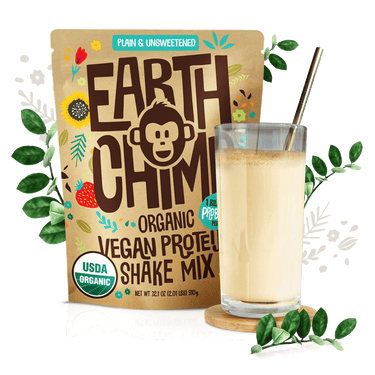
When appetite is low and meals are smaller, protein powder can be an easy way to include protein in smaller meals. EarthChimp's organic vegan protein powder blends easily into smoothies, oatmeal, or yogurt without adding bulk.
It's made with simple, clean ingredients and mixes smoothly with water or plant-based milk. On days when solid food feels like too much, a quick shake can help you maintain protein intake without forcing a full meal.
Frequently Asked Questions
What Are the Signs of Not Eating Enough Protein on GLP-1?
Some patterns people notice include persistent fatigue, feeling unsatisfied after meals, slower recovery from physical activity, reduced strength for everyday tasks, and visible changes in hair, nails, or skin. If you're eating much less than before starting a GLP-1 medication, your protein intake has likely dropped too.
How Much Protein Do I Need on GLP-1 Medications?
Some guidelines suggest around 1.2 grams of protein per kilogram of body weight per day, which would be roughly 80-85 grams daily for a 150-pound person. However, individual needs vary based on activity level, health goals, and other factors. A healthcare provider or registered dietitian can help you determine the right target for your specific situation.
How Can I Get More Protein Without Eating More Food?
Add protein to foods you already eat. Mix protein powder into oatmeal, smoothies, or yogurt. Choose protein-dense foods like eggs, Greek yogurt, cottage cheese, or tofu that deliver more protein in smaller portions. Focus on including protein at each eating occasion rather than trying to eat larger meals.
Should I Talk to a Doctor About Low Protein Intake on GLP-1?
Consider talking to a healthcare provider if you experience persistent fatigue, noticeable weakness, significant hair loss, or if you're eating very little for an extended period. A registered dietitian can assess your current eating pattern and help you make adjustments.
Seeking guidance is a practical step, not a sign that something is wrong.
Can Low Protein Intake Cause Hair Loss on Ozempic?
Protein plays a role in keratin production, which is important for hair health. Significantly reduced protein intake over an extended period may contribute to hair thinning for some people.
However, hair loss has many possible causes, including rapid weight loss itself, stress, and nutritional deficiencies beyond protein. If you notice hair changes alongside reduced eating, consult a healthcare provider to understand what's causing it and whether protein intake or another factor is involved.
References:
-
https://www.medicspot.co.uk/weight-loss/nutrition/protein-on-glp1?srsltid=AfmBOooDy8G4cZxH7eg6A8DafTJ07DETFS1Djn2pi3cbPGE1EAhlUuRl
-
https://www.insidetracker.com/a/articles/how-does-protein-help-with-workout-recovery
-
https://www.westlakedermatology.com/blog/protein-for-skin-hair-nail-health/
-
https://www.sciencedirect.com/science/article/pii/S2161831322006810#:~:text=Effect%20of%20diet%2Dinduced%20weight,persons%20with%20obesity%20(49).
-
https://pmc.ncbi.nlm.nih.gov/articles/PMC5315033/
Disclaimer:
This article is for informational purposes only and does not constitute medical or nutritional advice. If you're experiencing symptoms described here, consult your healthcare provider or a registered dietitian for personalized guidance.