
Yes, you can heat or cook with protein powder, and it will still keep its nutritional value. Typical cooking temperatures only cause mild denaturation, which does not reduce the amount of usable protein. Whether you bake, fry, or add it to warm dishes, protein powder remains stable and effective.
Key Takeaways
-
Protein powder remains nutritionally stable when heated: Normal cooking temperatures cause only mild denaturation, which does not reduce the amount of protein your body can absorb or use.
-
Baking and frying do not harm protein powder: The inside of baked and fried foods stays much cooler than the oven or oil, so protein powder is not exposed to extreme heat during cooking.
-
Protein powder works well in many recipes: You can mix it into smoothies, oatmeal, baked goods, or warm dishes to increase your daily protein intake in flexible and straightforward ways.
-
Protein powder complements a balanced diet: It is a useful supplement, but whole foods should remain your main source of nutrients for long-term health and satisfaction.
-
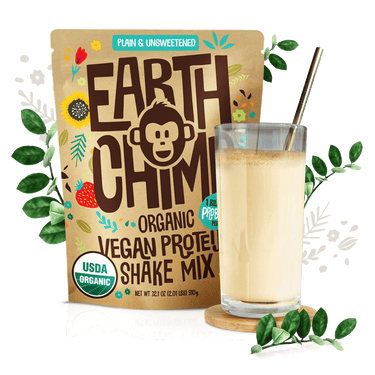
Plant-based protein powders offer a clean option: EarthChimp Organic Vegan Protein Powder provides an organic blend of pea, pumpkin, sunflower, and coconut proteins, with no GMOs, artificial flavors, dairy, or gluten, making it suitable for various dietary needs.
How Heat Affects Protein Powder

When proteins are exposed to heat, their structure changes through a process called denaturation. Think of it like cooking an egg; the protein reshapes, but its amino acids, which are the nutrients your body needs, remain intact.
Denaturation may slightly alter texture or solubility, but for typical cooking methods, the nutritional value stays the same. In some cases, heat can even make proteins easier for your body to digest.
How Stable Proteins Are at Different Temperatures
Some proteins, such as soy proteins, are highly heat-stable and can withstand temperatures up to 200°C before undergoing major structural changes.
Breakdown only becomes significant at extremely high temperatures that are not part of normal cooking. For example:
-
Around 230°C, the protein begins losing mass.
-
Above 500°C, the remaining material is mostly ash.
In practical cooking, temperatures never reach levels that cause significant nutrient loss.
Cooking Temperatures and How They Affect Protein Powder
Baking Temperatures
Oven temperatures usually range from 325°F to 425°F (163°C to 218°C). However, the inside of baked goods stays much cooler. Cakes, cookies, and breads typically finish at an internal temperature that doesn't go above 200°F to 210°F (93°C to 99°C).
Because the internal temperature stays low, protein powder mixed into batter or dough, such as when you add it to your baked goodies, is not exposed to the oven’s full heat. This prevents meaningful protein degradation.
Frying Temperatures
Frying oil can reach 350°F to 375°F (177°C to 191°C), but moisture in the food keeps the internal temperature much lower, similar to baking. Even when protein powder is added to batters or coatings, it is not subjected to the oil’s maximum temperature.
What This Means for Protein Powder
Since both baking and frying keep internal temperatures relatively moderate, protein powder in these foods undergoes only mild denaturation, not enough to affect nutritional quality. This is why cooking with protein powder remains safe, effective, and beneficial.
Tasty Ways to Cook With Protein Powder

Cooking with protein powder can be both delicious and simple, especially when you use it in warm baked treats and cozy, comforting recipes.
1. Cinnamon Hot Cocoa Protein Cupcakes
These soft, chocolatey cupcakes are lightly spiced with cinnamon and topped with fluffy vegan whipped cream, making them a warm and comforting treat. They’re tender, cozy, and perfect when you want a sweet baked dessert made with added protein. See full recipe here
2. Microwave Lava Cake
This quick and gooey microwave lava cake comes together in just a few minutes and delivers a warm, molten center that satisfies any chocolate craving. It’s an easy, protein-boosted treat perfect for busy days or last-minute dessert cravings. See full recipe here
3. Chocolate Fudge Protein Brownies
These rich, fudgy brownies combine ripe bananas, cocoa, and creamy peanut butter for a dense, chocolate-packed treat. They’re simple to mix together and even better with an optional melted dark chocolate coating for extra indulgence. See full recipe here
4. Protein Pancakes
These fluffy, chocolatey pancakes are quick to make and perfect for a weekend breakfast. Made with blended oats, bananas, and cocoa-rich ingredients, they cook up soft and satisfying. Add fresh fruit and your favorite drizzle for a simple, protein-filled meal. See full recipe here
5. Pumpkin Protein Muffins
These soft, pumpkin-filled muffins make a cozy, grab-and-go snack packed with warm spices and oats. They’re naturally sweet, easy to mix together, and bake into tender muffins that are perfect for fall-inspired breakfasts or busy mornings. See full recipe here
Getting the Most Out of Protein Powder

1. Using Protein Powder in Practical Ways
Protein powder is a versatile ingredient, and you can use it in all sorts of ways depending on your needs. The simplest option is to mix it into smoothies, milk, or water for a quick protein boost. You can also add it to recipes like pancakes, oatmeal, or baked snacks to increase the protein content of everyday meals.
If you are managing your calorie intake, consider using protein powder as a meal replacement occasionally, as long as it fits into a balanced and nutritious diet.
2. Supporting a Balanced Diet With Protein Powder
Protein powder is a helpful supplement, but whole foods should remain the main source of your daily nutrients. Fruits, vegetables, whole grains, legumes, and lean proteins provide important vitamins, minerals, and fiber that powders alone cannot offer. Use protein powder to support your protein intake, not replace meals, which gives your body a wider range of nutrition.
3. Adding Protein Powder Throughout the Day
You can add protein powder to different meals and drinks throughout the day. Try stirring it into your morning oatmeal, blending it into your afternoon coffee, or using it in a post-workout shake. This helps you stay consistent with your protein goals while keeping your routine flexible and enjoyable.
4. Pairing Protein Intake With an Active Lifestyle
A healthy diet works best when paired with regular movement. Aim for at least 150 minutes of moderate exercise or 75 minutes of vigorous exercise each week, along with strength training at least twice a week. Combining protein-rich meals with consistent physical activity supports your overall health and helps you make the most of your nutrition plan.
Wrapping Up: Making Protein Powder Work in Your Cooking and Daily Nutrition

Our look at how heat affects protein powders shows that you can cook or bake with them without losing key nutrients. This makes it easy to get creative in the kitchen while still supporting your protein needs.
For plant-based eaters, EarthChimp Organic Vegan Protein Powder is a great option. It is made from an organic blend of pea, pumpkin, sunflower, and coconut proteins, and it contains no GMOs, artificial flavors, dairy, or gluten. This makes it a clean and reliable choice for people with dietary preferences or sensitivities.
Overall, protein powders stay stable under typical cooking temperatures, so you can confidently add them to a wide range of recipes. Pairing the right protein powder with a balanced diet and regular physical activity can help you meet your health and wellness goals.
FAQs on Heating and Using Protein Powder
Can Heating Protein Powder Affect Its Nutritional Value?
Heating protein powder may change its structure slightly, but it does not reduce its nutritional value. Your body can still absorb and use the same amount of protein when it is added to warm dishes or cooked in recipes.
Is It Safe to Bake With Protein Powder?
Yes. Even though ovens run at high temperatures, the inside of baked goods stays much cooler. This protects the protein from extreme heat, so it remains stable during baking.
Does Frying Damage Protein Powder?
No. Frying oil gets very hot, but the moisture inside foods keeps internal temperatures lower. Protein powder mixed into batters or coatings stays stable while frying.
Can I Add Protein Powder to Hot Foods Like Oatmeal?
Yes. Adding protein powder to warm foods such as oatmeal is an easy way to increase your protein intake. Mild heat may change the texture slightly, but it does not reduce the nutritional value.
What Should I Do if I Want to Mix Protein Powder With Very Hot or Boiling Water?
Mixing protein powder directly into boiling water can cause the powder to clump. To avoid this, blend the powder with a small amount of room-temperature water first, then slowly add the hot liquid.
References:
-
https://www.sciencedirect.com/topics/biochemistry-genetics-and-molecular-biology/denaturation
-
https://www.mensjournal.com/food-drink/does-freezing-or-cooking-protein-powder-ruin-it
-
https://blog.thermoworks.com/bread/baked-good-doneness-temps/
Disclaimer:
This statement has not been evaluated by the Food and Drug Administration. This product is not intended to diagnose, treat, cure, or prevent any disease.