
Muscle loss after GLP-1 medications is a common concern. In many cases, muscle can be rebuilt over time. Rebuilding muscle often involves consistent strength training and enough protein over time.
Results vary from person to person. But with the right approach and patience, progress is possible for many people.
It takes effort. But rebuilding is within reach.
Key Takeaways
-
Muscle loss on GLP-1 may be related to the pace of weight loss: When weight comes off quickly, some muscle may be lost along with fat. This is not considered unique to GLP-1.
-
Muscle can often be rebuilt, but it may not come back on its own: It typically requires consistent effort, including strength training and adequate protein.
-
Strength training may play an important role: Challenging muscles through resistance may give the body a reason to rebuild over time.
-
Protein can support the process, but it is not the whole answer: It tends to work best when paired with regular strength training and balanced meals.
-
Professional guidance may help for some people: A trainer, physical therapist, or dietitian can provide personalized support based on your situation and goals.
What Can Lead to Muscle Loss on GLP-1
Muscle loss that happens while taking GLP-1 medications is generally thought to be more closely related to the weight loss process itself, especially when weight loss happens quickly.
When weight loss happens quickly, the body may lose some muscle along with fat. This does not appear to be unique to GLP-1 medications and may happen during other forms of significant weight loss as well.
This is also part of why muscle loss can happen on GLP-1, especially when food intake drops, protein intake is lower, and muscles are not being challenged enough through resistance training.
Overall, the issue may have more to do with the pace and conditions of weight loss than the medication alone.
Can Muscle Be Rebuilt After Stopping GLP-1?

In many cases, yes, muscle can be rebuilt after stopping GLP-1. But it usually does not come back on its own.
That part can feel frustrating. Still, it does not mean progress is off the table.
Rebuilding muscle often depends on a few things. These include how much muscle was lost, how well someone is able to eat, and whether they are doing resistance training regularly. Research suggests that muscle is more likely to come back when the body gets the right signals. That usually means consistent resistance training and enough protein to support recovery.
Protein can help, but it is not the whole plan. It tends to work best when it is paired with training. In other words, shakes alone are not the answer.
The timeline can also vary. Improvements may become noticeable within a few months, but not for everyone at the same pace.
So the more realistic takeaway is this: muscle can often be rebuilt to some extent, but it usually takes time, consistency, and patience.
How Strength Training May Support Muscle Rebuilding
Strength training may play an important role in rebuilding muscle after GLP-1-related weight loss.
When muscles are challenged through resistance, the body gets a reason to maintain and rebuild them over time. That is why strength training is often part of the conversation here.
A few simple options may help:
-
Bodyweight exercises like squats, lunges, and push-ups
-
Resistance bands
-
Free weights or weight machines
-
Working with a trainer or physical therapist for guidance
It does not have to be extreme. In fact, starting slowly may be more realistic and easier to stick with.
Changes may become more noticeable over weeks to months with consistent training, though the timeline can vary.
So the goal is not to do everything at once. It is to give your body a steady reason to rebuild. In many cases, consistency matters more than going too hard at the start.
Protein as Part of the Rebuilding Process

Protein can help support muscle rebuilding. It gives the body some of what it needs when muscle is being worked and rebuilt over time.
Still, protein is not the whole answer. Strength training matters too.
So the goal is usually not to eat huge amounts. It is more about getting enough protein on a regular basis. For many people, that means including some protein in meals and snacks. Simple is fine.
Some options that may help include:
-
Lean meats like chicken, turkey, or fish
-
Eggs
-
Greek yogurt
-
Legumes and beans
-
Tofu or tempeh
-
Protein shakes
Whole foods can do a lot here. Protein shakes can also be a convenient option when regular meals feel less practical.
If you are unsure about how much protein you really need, it can vary from person to person. A registered dietitian can help make it more specific to your needs and goals.
So the big picture is this: protein can support the rebuilding process, but it is just one part of the plan
When Professional Support May Help
Some people may find it easier to rebuild muscle with extra support.
This may be worth considering if:
-
You are not sure how to start strength training
-
You have joint pain or mobility concerns
-
You want a more personal exercise or nutrition plan
-
You think you may have lost a significant amount of muscle and want guidance on the next steps
A personal trainer, physical therapist, or registered dietitian may be able to help. They can suggest an approach that fits your needs, comfort level, and goals.
This kind of support may also be useful if you are still on GLP-1 and are wondering about building muscle while still on Ozempic.
You do not have to figure it all out on your own. For some people, a little guidance can make the process feel more manageable.
A Note From EarthChimp

Protein can be one part of the muscle-rebuilding process. For some people, getting enough may feel easier with convenient options.
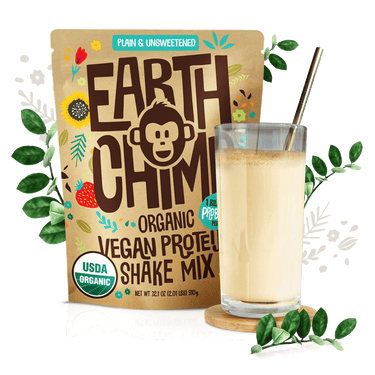
EarthChimp’s organic vegan protein powder is one plant-based option for people who want a simple protein powder with a clearly labeled protein amount. Whether to use a protein powder at all depends on preference, appetite, and overall eating patterns.
Frequently Asked Questions
Is Muscle Loss From Ozempic Permanent?
Not necessarily. In many cases, muscle may be rebuilt over time, though the process often depends on training, overall intake, and individual circumstances.
How Long Does It Take to Rebuild Muscle After GLP-1?
There is no single timeline. Some people may notice improvements within two to three months with consistent strength training, while others may need longer. Things like age, activity level, food intake, and starting point can all affect the pace.
What’s the Best Way to Rebuild Muscle After Ozempic?
A common starting point is regular resistance training along with enough protein to support recovery. That does not need to mean an extreme routine. For some people, a gradual plan with guidance from a trainer or dietitian may feel more realistic.
Do I Need To Take Supplements To Rebuild Muscle?
Not always. Many people can get enough protein from food. But shakes or powders may be a convenient option when appetite is low, meals feel hard to finish, or protein needs are harder to meet through food alone.
Should I See a Doctor Before Starting a Muscle-Rebuilding Program?
That may be a good idea if you have health concerns, joint pain, mobility limits, or a large amount of muscle loss. A healthcare provider or physical therapist may help you figure out what feels safe and realistic before starting something new.
References:
-
https://health.clevelandclinic.org/ozempic-muscle-loss
-
https://www.uclahealth.org/news/article/how-much-protein-do-you-really-need
-
https://pmc.ncbi.nlm.nih.gov/articles/PMC8978023/
-
https://bjsm.bmj.com/content/52/6/376
Disclaimer:
This article is for informational purposes only and does not constitute medical or nutritional advice. If you're taking GLP-1 medications, consult your healthcare provider or a registered dietitian for personalized guidance.